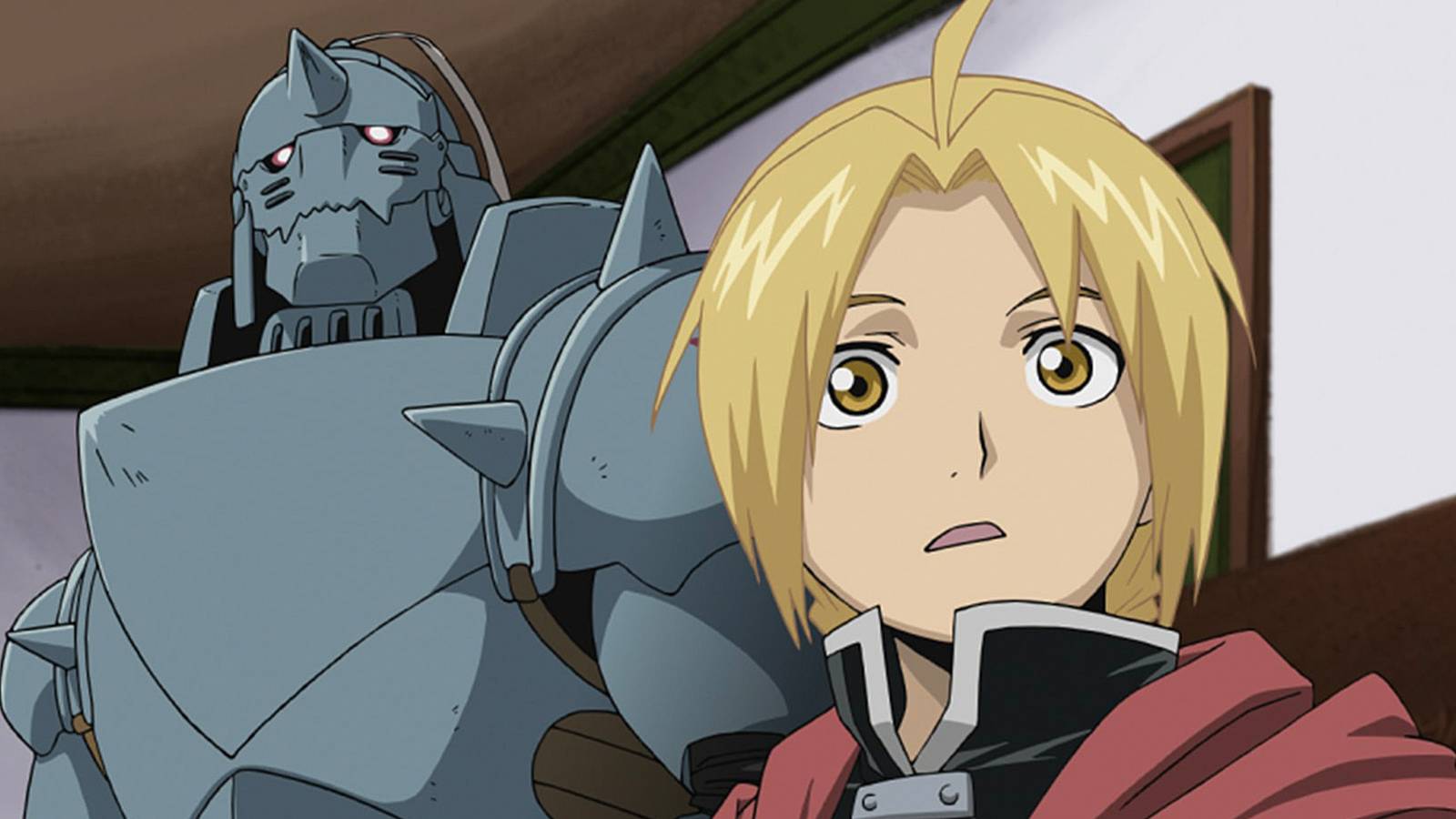
It's been over a decade since Fullmetal Alchemist: Brotherhood first graced our screens, yet its reputation as a pinnacle of anime storytelling remains untarnished. The series, which follows the Elric brothers on their quest to restore their bodies after a forbidden alchemical attempt, is a masterclass in emotional depth and character growth. At its core lies a single, powerful line that encapsulates the entire journey: "You can't gain anything without losing something first."
This quote, delivered by Edward Elric in the finale, is more than just a memorable moment—it's the thesis of the entire series. From the very beginning, the brothers learn that alchemy demands sacrifice. Their attempt to resurrect their mother costs Alphonse his entire body and Edward his arm and leg. This early tragedy sets the stage for a narrative steeped in the concept of equivalent exchange, where every gain comes with a price.
A Lesson Hard-Earned
The beauty of Fullmetal Alchemist: Brotherhood lies in how it weaves this lesson throughout its plot. The Elrics encounter countless characters who have made sacrifices, from the homunculi to the soldiers of Amestris. Each story reinforces the idea that loss is an inherent part of growth. Yet, it's Edward's final speech that brings it all home, as he acknowledges that pain and sacrifice are not just obstacles but necessary steps toward becoming stronger.
His words—"There's no such thing as a painless lesson. They just don't exist. Sacrifices are necessary. You can't gain anything without losing something first, although if you can endure that pain and walk away from it, you'll find that you now have a heart strong enough to overcome any obstacle. Yeah, a heart made fullmetal"—resonate because they reflect a hard-won truth. Edward, who once defined himself solely by his alchemical prowess, comes to understand that true strength lies not in power but in resilience.
The Ultimate Sacrifice
This realization culminates in the series' climax, where Edward makes the ultimate sacrifice: giving up his alchemy to restore Alphonse's body. At the start of the story, such a choice would have been unthinkable. Edward's identity was intertwined with his title as the Fullmetal Alchemist, and he believed that serving the military was the only path to redemption. But through his journey, he learns that there are no easy answers and that some things are worth more than any skill or title.
The conclusion of Fullmetal Alchemist: Brotherhood reframes sacrifice as a triumph rather than a tragedy. Edward's decision to relinquish his alchemy is not a loss but a victory—a testament to his growth and his love for his brother. It's a moment that has left an indelible mark on fans, cementing the series' place in anime history. For those who appreciate flawless storytelling, this is a journey that rivals the best anime series of all time.
Why It Still Matters
Sixteen years later, Edward's quote continues to define the series because it speaks to universal truths about loss, resilience, and the human spirit. It's a lesson that transcends the fictional world of alchemy, offering comfort and insight to viewers navigating their own challenges. The series' ability to deliver such profound messages while maintaining a gripping narrative is why it remains a benchmark for anime. Whether you're a longtime fan or a newcomer, the story of the Elric brothers is one that stays with you, and its central message is as relevant today as it was when it first aired.
In a landscape filled with flawless miniseries and perfectly directed thrillers, Fullmetal Alchemist: Brotherhood stands out for its emotional depth and thematic richness. It's a series that dares to ask what it truly means to sacrifice, and in doing so, it delivers one of the most satisfying conclusions in anime. For those who have yet to experience it, the journey is well worth taking—and the lessons learned will linger long after the final episode.