Crime thrillers have a special place in cinema, blending the grit of criminal underworlds with the pulse-pounding tension of a mystery. But what truly separates the good from the unforgettable is the director's vision. A masterful director can turn a simple heist or a cat-and-mouse chase into a cinematic experience that lingers long after the credits roll. Here are ten crime thrillers where the direction is nothing short of flawless.
The Heist That Redefined the Genre
Jules Dassin's Rififi (1956) is a heist film that set the standard for everything that followed. After being blacklisted in Hollywood, Dassin crafted this French masterpiece with a 30-minute heist sequence performed in near silence—a bold choice that pays off brilliantly. The tension is palpable, and the realism is so meticulous that it reportedly inspired real-life criminals. Dassin's direction earned him the Best Director award at Cannes, and the film remains a cornerstone of noir.
Scorsese's Crowning Achievement
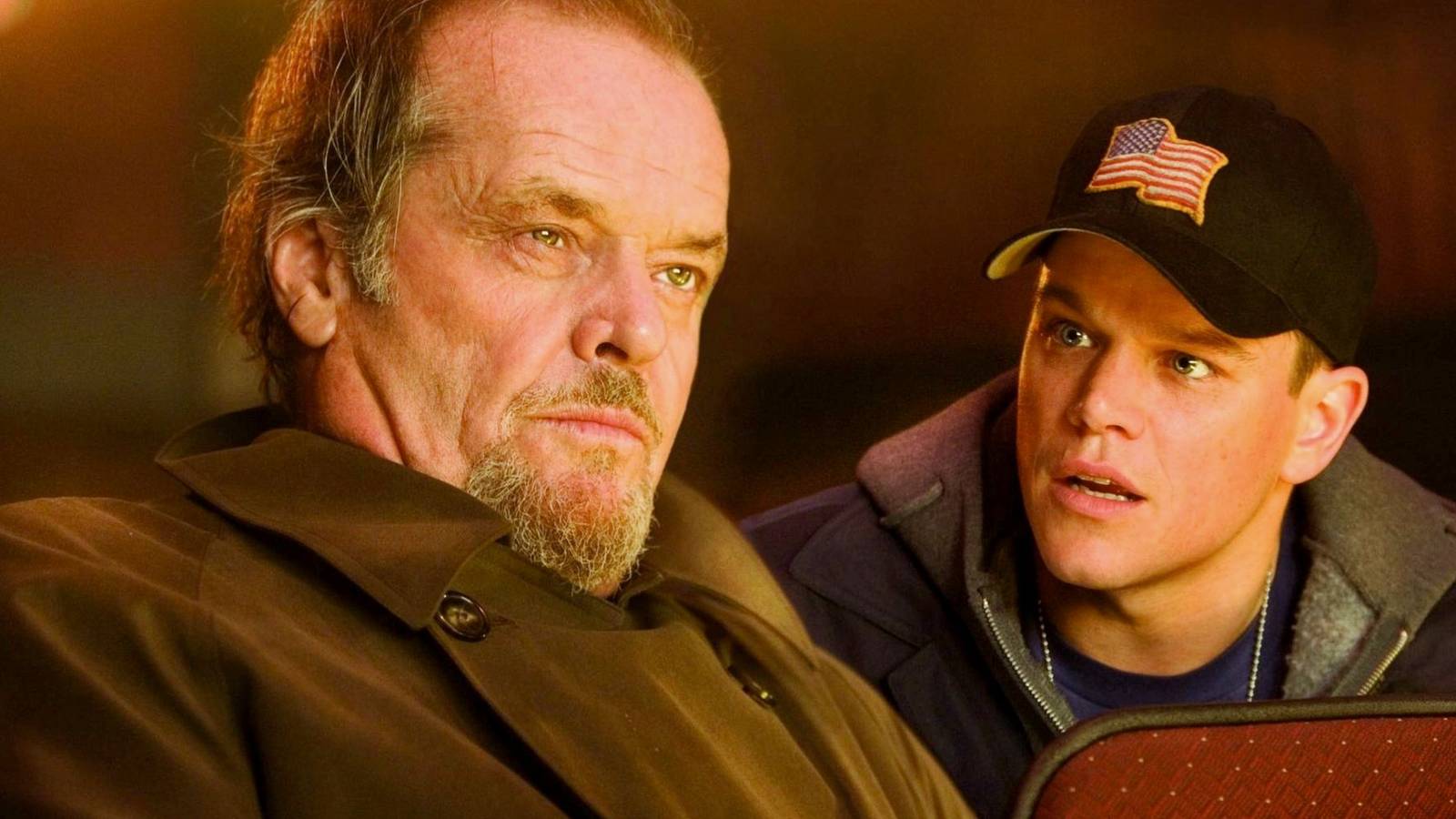
Martin Scorsese has directed many crime classics, but The Departed (2006) stands as his ultimate thriller. The story of two moles—one in the police, one in the mob—is a masterclass in pacing and suspense. Scorsese builds the tension layer by layer, leading to a third act that is as shocking as it is inevitable. It finally earned him the Oscar for Best Director, a long-overdue recognition for a filmmaker who has defined the genre.
Noir's Darkest Masterpiece
Roman Polanski's Chinatown (1974) is often hailed as the greatest noir of all time. The film's suffocating atmosphere of corruption and moral decay is a direct result of Polanski's meticulous direction. Every frame is drenched in shadow and unease, making the audience feel the weight of the protagonist's doomed quest. Despite Polanski's controversial legacy, his work here is undeniable—a perfect blend of style and substance.
The Art of the Prison Break
Jacques Becker's Le Trou (1960) takes a slow-burn approach to the prison escape genre. Instead of Hollywood theatrics, Becker focuses on the humanity of his characters, their patience, and their integrity. The result is a film that is both deeply moving and incredibly tense, as every small victory or setback carries life-or-death stakes. Becker passed away shortly after finishing the film, but his legacy is forever tied to this masterpiece.
The Coens' Darkest Vision
The Coen Brothers have always had a knack for crime, but No Country for Old Men (2007) is their most intense and unflinching work. The film strips away their usual quirkiness to deliver a raw, relentless story of violence and fate. Javier Bardem's Anton Chigurh is a terrifying force of nature, and the Coens' direction makes every scene feel like a ticking clock. It's a modern classic that has influenced countless thrillers since.
Golden Age Noir
Billy Wilder's Double Indemnity (1944) is a prime example of classic Hollywood noir. The film's sharp dialogue, shadowy visuals, and morally ambiguous characters are all hallmarks of Wilder's genius. It's a story of greed and betrayal that still feels fresh today, and its direction is a lesson in economy and tension.
These films, along with others like The French Connection and Heat, prove that direction is the invisible hand that guides a thriller from good to great. For more on the genre, check out our list of psychological thrillers with masterful direction or explore neo-noir gems of the 1980s. And if you're in the mood for something forgotten, our forgotten thrillers are worth a look.