The 1980s were a golden era for neo-noir, a genre that took the classic tropes of 1940s film noir—cynicism, shadowy visuals, fatalistic heroes—and injected them with modern sensibilities, vibrant colors, and a sharper focus on systemic corruption. While the decade is often remembered for its blockbusters and pop culture excess, it also delivered a remarkable string of dark, stylish, and thought-provoking crime dramas that continue to influence filmmakers today.
From the neon-drenched streets of Los Angeles to the rain-soaked alleys of London, these films redefined what noir could be. They explored themes of obsession, identity, and moral decay, often with a synth-heavy soundtrack and a visual flair that screamed '80s. Here are the ten greatest neo-noirs of the decade, ranked.
10. To Live and Die in L.A. (1985)
William Friedkin, the mastermind behind The French Connection and The Exorcist, delivered one of the most underrated gems of the decade with To Live and Die in L.A. This nihilistic thriller follows a volatile Secret Service agent (William Petersen) who becomes obsessed with bringing down a counterfeiter (Willem Dafoe) responsible for his partner's death. The film's hyper-stylized, artificial vision of Los Angeles is a stark departure from traditional noir, yet it retains the genre's core fatalism. The infamous climactic shootout subverts expectations, making this a brutal and commanding entry in the neo-noir canon.
9. Mona Lisa (1986)
Neil Jordan's Mona Lisa proves that neo-noir isn't just an American phenomenon. Set in the gritty underbelly of London, it stars Bob Hoskins as George, an ex-con who becomes a driver and bodyguard for a high-class prostitute (Cathy Tyson). As he falls for her, he agrees to help find her missing friend, plunging him into a web of deceit. The film's melancholic tone, combined with Hoskins' Oscar-nominated performance and the haunting use of Nat King Cole's title song, creates a uniquely British take on the genre. Michael Caine's turn as a corporate-minded mob boss adds a sharp critique of power and wealth.
8. Manhunter (1986)
Before The Silence of the Lambs became a cultural phenomenon, Michael Mann brought Thomas Harris's Red Dragon to the screen with Manhunter. This stylish thriller follows former FBI profiler Will Graham (William Petersen) as he's pulled out of retirement to hunt a serial killer known as the Tooth Fairy. To get inside the killer's mind, he consults the incarcerated Dr. Hannibal Lecktor (Brian Cox). Mann's use of neon-lit architecture and a synth-driven score creates a hypnotic, psychological atmosphere that sets it apart from traditional noir. It's a harrowing descent into obsession that remains a forgotten masterpiece.
7. Thief (1981)
Michael Mann's directorial debut, Thief, is a gritty, existential crime drama that stars James Caan as Frank, a professional safecracker trying to escape the Chicago underworld. When he crosses paths with a powerful mob boss, his dreams of a normal life are shattered. The film's rain-soaked, neon-lit visuals and Tangerine Dream's mesmerizing score create a pure neo-noir atmosphere. Frank's struggle becomes a metaphor for the price of individualism in a corrupt world, making Thief a resonant and visceral experience.
6. After Hours (1985)
Martin Scorsese's After Hours is a darkly comedic neo-noir that takes the genre's conventions and turns them on their head. The film follows Paul Hackett (Griffin Dunne), a word processor who ventures into SoHo for a date and finds himself trapped in a nightmarish series of misadventures. As the night spirals out of control, Paul becomes the target of a paranoid neighborhood, and the film's surreal, Kafkaesque tone makes it a unique entry in Scorsese's filmography. It's a masterclass in tension and dark humor, proving that neo-noir can be both thrilling and absurd.
5. Body Heat (1981)
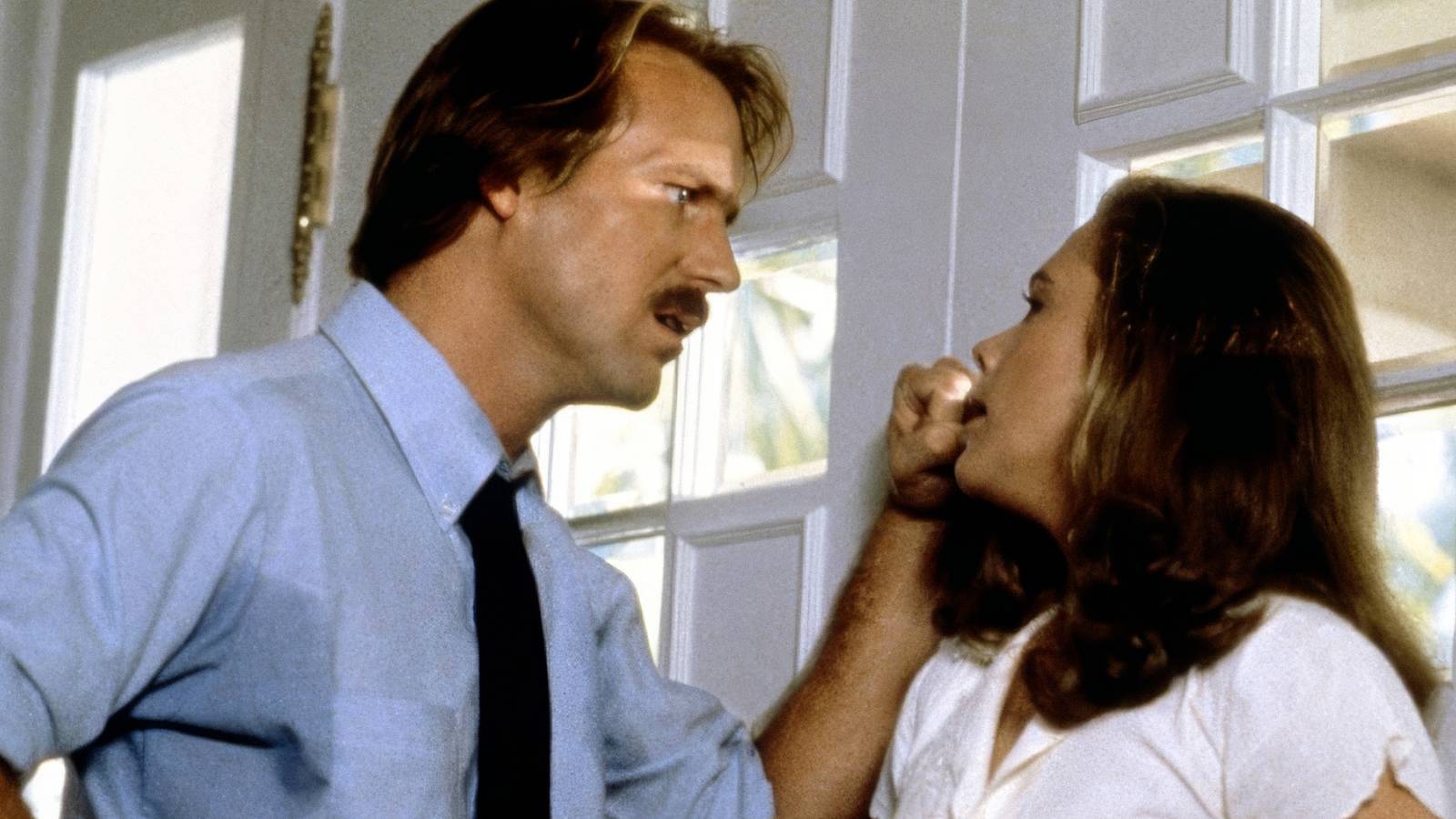
Lawrence Kasdan's Body Heat is a sultry, steamy homage to classic film noir, updated for the '80s with a modern sensibility. Set in a sweltering Florida town, it stars William Hurt as a sleazy lawyer who gets entangled with a seductive femme fatale (Kathleen Turner). Their affair leads to a murder plot that goes horribly wrong. The film's heat-soaked atmosphere and Turner's iconic performance make it a standout. It's a film that oozes sexuality and danger, and its twist ending is a classic of the genre.
4. Blue Velvet (1986)
David Lynch's Blue Velvet is a surreal, disturbing masterpiece that peels back the veneer of suburban America to reveal a dark underbelly of violence and depravity. Kyle MacLachlan stars as Jeffrey Beaumont, a college student who discovers a severed ear in a field and gets drawn into a mystery involving a nightclub singer (Isabella Rossellini) and a sadistic criminal (Dennis Hopper). The film's dreamlike imagery, unsettling performances, and exploration of hidden desires make it a landmark of neo-noir. It's a film that defies easy categorization, but its influence is undeniable.
3. Angel Heart (1987)
Alan Parker's Angel Heart is a neo-noir that blends hard-boiled detective fiction with supernatural horror. Mickey Rourke stars as Harry Angel, a private investigator hired to find a missing singer in 1950s New York. His search leads him to New Orleans and into a world of voodoo and ritual murder. The film's atmosphere is thick with dread, and its shocking twist ending is one of the most memorable in cinema. Robert De Niro's chilling performance as the mysterious Louis Cyphre adds to the film's unsettling power.
2. Blade Runner (1982)
Ridley Scott's Blade Runner is a genre-defining masterpiece that reimagined noir for a dystopian future. Set in a rain-soaked, neon-lit Los Angeles of 2019, it follows Rick Deckard (Harrison Ford), a blade runner tasked with hunting down replicants—bioengineered beings who have escaped to Earth. The film's stunning visuals, philosophical themes, and Vangelis's iconic score create a world that is both beautiful and bleak. It's a film that asks profound questions about humanity and identity, and its influence on science fiction and neo-noir is immeasurable.
1. The Big Easy (1986)
Jim McBride's The Big Easy is a criminally underrated neo-noir that captures the sultry, corrupt atmosphere of New Orleans. Dennis Quaid stars as a charismatic but morally flexible detective who becomes involved with a straight-laced district attorney (Ellen Barkin) investigating police corruption. The film's steamy romance and its exploration of the gray areas between right and wrong make it a standout. With its Cajun-flavored soundtrack and vibrant setting, The Big Easy is a unique and compelling entry in the genre, deserving of its place at the top of this list.
These ten films represent the best of '80s neo-noir, each offering a unique take on the genre's timeless themes. Whether you're a fan of classic noir or modern crime thrillers, these movies are essential viewing. For more great recommendations, check out our list of psychological thrillers or our ranking of action thrillers that won Best Picture.