Every ten years, the British Film Institute's Sight & Sound magazine polls critics and filmmakers to determine the consensus greatest films of all time. Since the poll began in 1952, only four movies have ever held the top spot. Each is a masterpiece in its own right, but which one truly deserves the crown? We've ranked them from fourth to first, considering their influence, innovation, and lasting impact.
4. Jeanne Dielman, 23 quai du Commerce, 1080 Bruxelles (1975)
Chantal Akerman's radical feminist drama topped the 2022 critics' poll, shocking many but thrilling cinephiles. The film follows three days in the life of a widowed mother (Delphine Seyrig) as she performs household chores and, in the afternoons, sex work. Shot in real time, the movie forces viewers into her monotonous routine, making every small disruption—a missed button, an overcooked potato—feel like a seismic event. Its slow-burn tension culminates in a shocking finale that redefined what cinema could do. Jeanne Dielman is less a movie you watch than one you endure, and that's exactly the point.
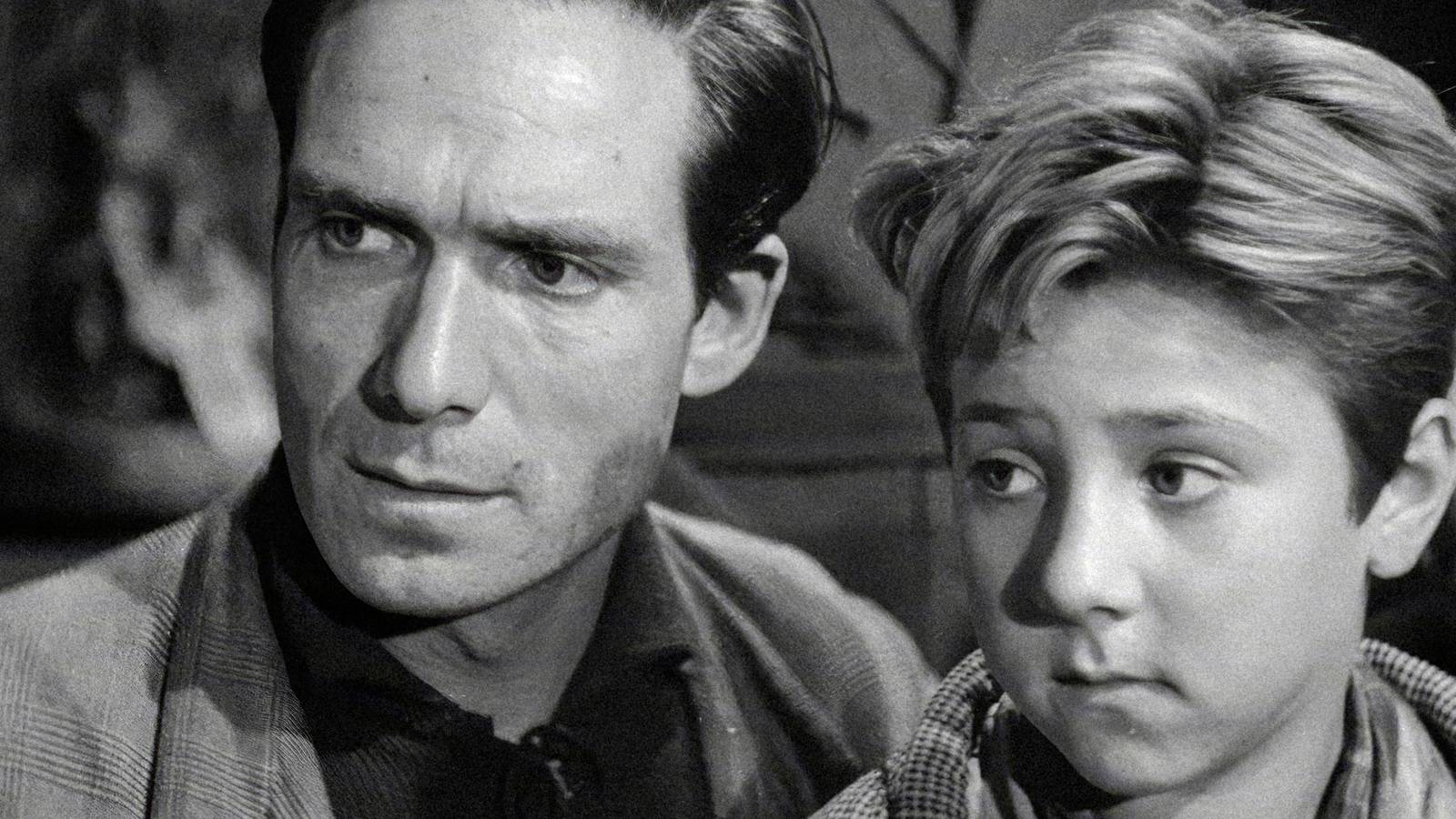
3. Bicycle Thieves (1948)
Vittorio De Sica's neorealist classic was the very first film to top the list in 1952. It tells the simple yet devastating story of Antonio, a working-class father in post-war Rome whose bicycle—essential for his new job—is stolen on his first day. He and his young son Bruno search the city, and in the process, Antonio's dignity slowly unravels. Shot on real streets with non-professional actors, the film's raw authenticity still stuns. It's a heartbreaking portrait of poverty and pride, anchored by a father-son bond that makes the final scene unforgettable. For fans of emotionally devastating dramas, this is essential viewing—check out our list of the 10 most emotionally devastating drama films ever made.
2. Vertigo (1958)
Alfred Hitchcock's obsessive masterpiece finally claimed the top spot in 2012, dethroning Citizen Kane after 50 years. Jimmy Stewart plays Scottie Ferguson, a retired detective with a fear of heights who becomes fixated on a mysterious woman (Kim Novak). As he spirals into obsession, Hitchcock uses groundbreaking techniques—including the famous dolly zoom—to visualize Scottie's vertigo. The film is a hypnotic exploration of grief, memory, and the desire to remake the past. Its influence on psychological thrillers is immeasurable, and it remains one of the most visually stunning movies ever made. For more on the genre, see our ranking of the top 10 psychological thrillers of the past 30 years.
1. Citizen Kane (1941)
Orson Welles' debut feature dominated the Sight & Sound poll for five consecutive decades, from 1962 to 2002. The film begins with the death of newspaper magnate Charles Foster Kane and his cryptic last word, "Rosebud." A reporter's investigation unfolds through flashbacks, each offering a contradictory view of the man. Technically, Citizen Kane was revolutionary: deep focus, low-angle shots, and elaborate tracking shots became part of film grammar thanks to this movie. But its real power lies in its meditation on the impossibility of truly knowing another person. It's a towering achievement that still feels fresh today—a testament to why it remains the gold standard for cinematic ambition.
These four films represent the evolving definition of greatness in cinema. Whether you prefer the radical feminism of Akerman, the humanism of De Sica, the psychological depth of Hitchcock, or the technical brilliance of Welles, each one deserves its place in history. Which one is the best? That's for you to decide.