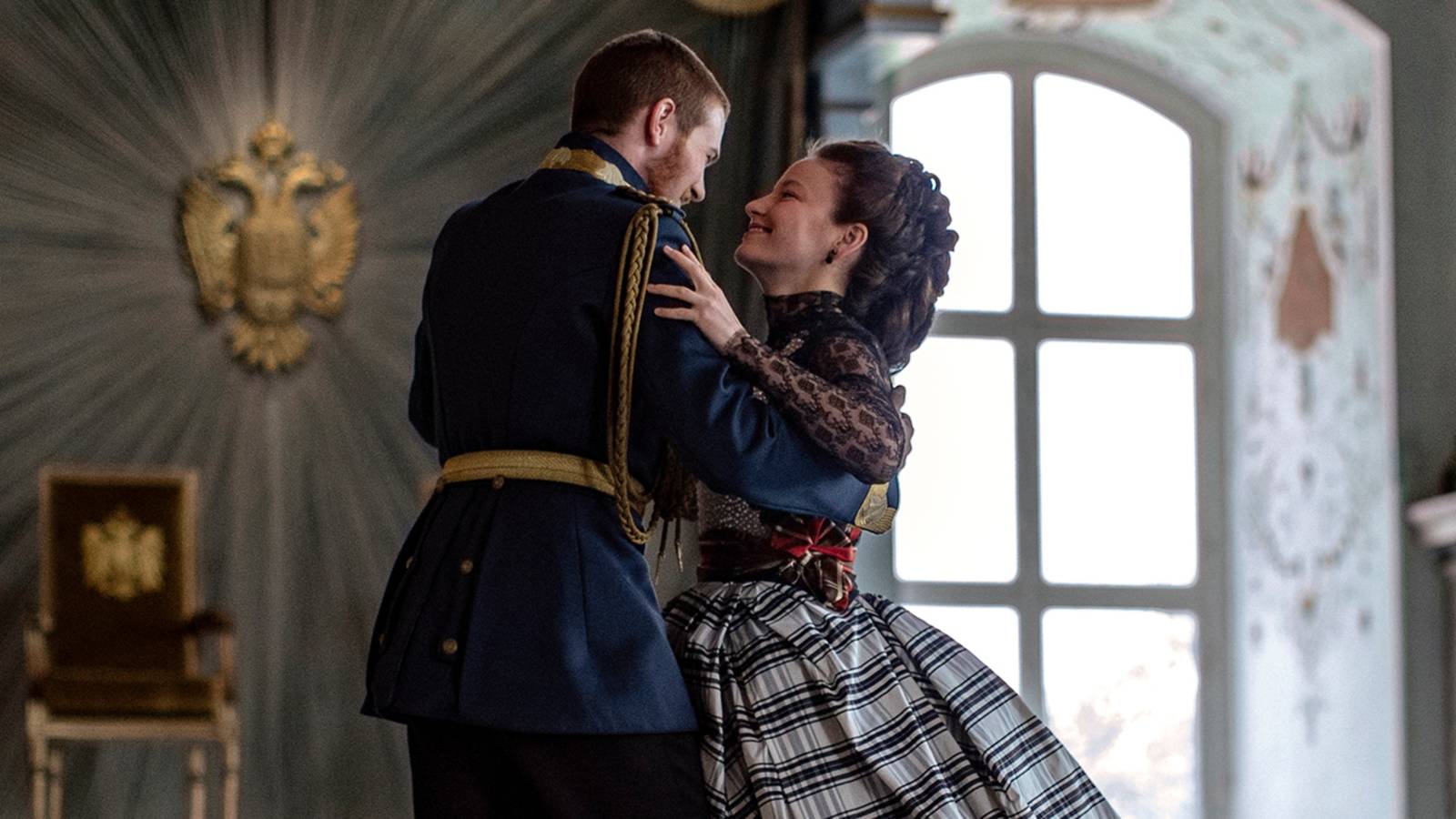
Netflix's The Empress has quietly become one of the streaming service's most beloved period dramas, and its third and final season delivers a conclusion that feels both earned and emotionally resonant. Set in 19th-century Austria, the series follows Elisabeth of Austria (Devrim Lingnau) and Emperor Franz Joseph (Philip Froissant) as they navigate the treacherous waters of royal life, political upheaval, and their own complicated marriage.
Season 3 picks up months after the cliffhanger of Season 2, with Franz returning from the Sardinian War a changed man. Haunted by the horrors he witnessed, he becomes distant and cold, pushing away his wife and family. Froissant delivers a powerful performance, capturing the trauma of a leader who never wanted to be a soldier. His journey toward healing is one of the season's most compelling arcs.

Meanwhile, Elisabeth, now the mother of a male heir, finds herself stifled by court life and her overbearing mother-in-law, Archduchess Sophie (Melika Foroutan). A health scare and the discovery of Franz's affair send her on a journey to Madeira, where she reconnects with her own sense of freedom. It's here that she meets the charismatic Hungarian revolutionary Count Andrássy (Dejan Bućin), whose passion for independence ignites a new purpose in her.
The political intrigue ramps up as various crown lands push for autonomy, and the Habsburg Empire faces existential questions. The show weaves these larger conflicts with the personal struggles of its characters, creating a rich tapestry that keeps viewers invested. The chemistry between Lingnau and Froissant remains the heart of the series, even as their characters are pulled in different directions.
Supporting players shine as well. Foroutan excels in a dual role as Sophie and her twin sister, while Johannes Nussbaum brings depth to Maximilian, who grapples with his own ambitions and failures. The costume design by Gabriela Reumer is once again a standout, with gowns and uniforms that serve as visual metaphors for the characters' inner lives.
The finale takes creative liberties with history, glossing over some of the darker chapters of Elisabeth's life, including her son's tragic death and her own assassination. Instead, the show chooses to end on a note of hope, framing the Austro-Hungarian Compromise as a new beginning for both the empire and the royal couple. It's a choice that prioritizes emotional satisfaction over historical accuracy, and for fans of the series, it works beautifully.
In a landscape full of gritty reboots and cynical deconstructions, The Empress stands out for its earnest romance and sweeping drama. It's a reminder that sometimes we just want a story about people finding their way to each other, even against the backdrop of history. If you haven't yet discovered this hidden gem, now is the perfect time to binge all three seasons. And if you're already a fan, the finale will leave you with a warm, bittersweet glow.
For those who enjoy similar period pieces, you might also want to check out the latest on Outlander's book series or explore Netflix's most anticipated thrillers. But for now, The Empress has earned its place as one of the platform's most satisfying conclusions.