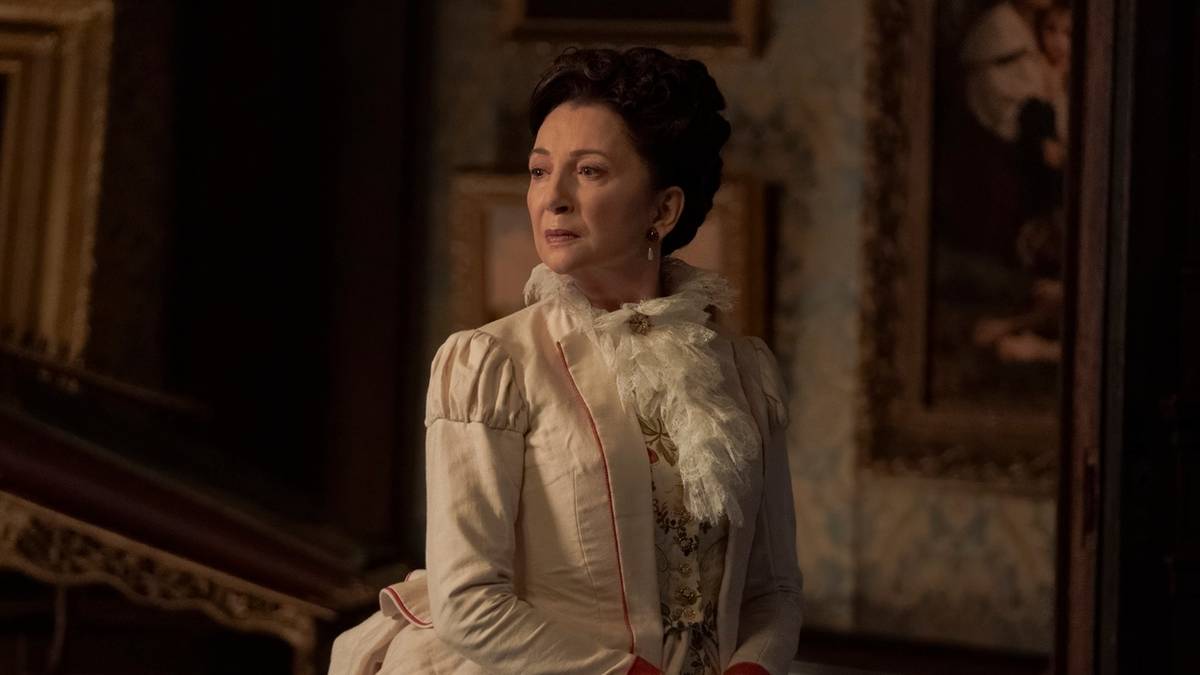
When Bertha Russell finally gets what she's always wanted—her daughter married to a duke, her name whispered with respect in the right circles, and the Astors looking just a little less invincible—you'd think it would be a triumph. But in The Gilded Age Season 3, victory comes with a price tag that even the Russells might find steep. Julian Fellowes' HBO drama has always been fascinated by the upper crust of 1880s Manhattan, especially those with fortunes but without the right pedigree. Yet this season, the show digs deeper, exploring how social climbing can leave scars that no amount of champagne can heal.
Set against the glittering backdrop of New York's Gilded Age, the series pits the old-money van Rhijns against the nouveau riche Russells. There are lavish parties, snubs, and invitation battles galore, as you'd expect from a period drama about high society. But Season 3 elevates the stakes, earning a stellar 96% Rotten Tomatoes score from 46 critics. The personal lives of these characters become just as compelling as their social machinations, making this season a standout in television history.

The Cost of Ambition
At the heart of Season 3 is Bertha's decision to arrange her daughter Gladys's marriage to the Duke of Buckingham. Gladys, who has feelings for Billy Carlton, is caught in the crossfire of her mother's relentless ambition. Bertha sees the duke as the ultimate prize—a way to cement her family's place in society. But George Russell is firmly against the match, and their disagreement exposes cracks in their marriage that were previously hidden. Bertha's obsession with status blinds her to the emotional toll on her children, and even Larry's engagement to Marian falls apart after a misunderstanding at the Haymarket, leaving another relationship in ruins.
The season raises a thorny question: Is Bertha's push for social progress about changing society, or just about changing her own position within it? She champions divorced women and supports the suffrage movement, but her motives are often self-serving. The contrast with Agnes van Rhijn is telling. Agnes can be rigid and dismissive, but her respect for Peggy Scott's writing and her willingness to acknowledge Peggy's talent complicate the idea that old money is always the villain. Agnes has her flaws, but she shows a capacity for genuine respect that Bertha rarely extends to those closest to her.
Power Shifts and Stellar Performances
One of the season's most satisfying arcs is the shift in power between Agnes and her sister Ada. After inheriting a fortune, Ada becomes the head of the household, a role Agnes has held for years. Christine Baranski makes Agnes's struggle to accept this change painfully real—she's never been good at admitting she's wrong, and watching her grapple with her sister's authority is more compelling than any drawing-room spat. Carrie Coon, meanwhile, lets Bertha's ambition speak for itself, making her marriage to George all the more uncomfortable to watch as the strain mounts.
The supporting cast also shines. Oscar van Rhijn mourns the loss of John Adams, while Peggy's romance with Dr. William Kirkland faces opposition from his family. Jack's clock patent gives him and Larry a chance to forge their own path. These stories may not always get equal screen time, but they add depth to a world where every choice has consequences.
With Season 4 already making waves—the premiere broke viewership records—and the mystery of who shot George Russell finally revealed, it's clear that The Gilded Age has become a cornerstone of HBO's lineup. Its global streaming dominance in November 2026 proved its staying power. But Season 3 remains the show's crowning achievement, a season that belongs in the pantheon of TV's best.
In a landscape crowded with prestige dramas, The Gilded Age Season 3 stands out for its sharp writing, nuanced performances, and unflinching look at the price of ambition. It's not just a period piece; it's a timeless story about what we're willing to sacrifice for a seat at the table.