Ken Russell's The Devils (1971) remains one of cinema's most audacious provocations—a film that fused historical tragedy with hallucinatory excess, earning both bans and reverence. Inspired by the real 17th-century Loudun possessions and Aldous Huxley's nonfiction account, Russell crafted a fever dream of religious hypocrisy, sexual repression, and political machination. With the recent 4K restoration of the director's cut, new audiences can finally experience its full, unexpurgated power. If you've been swept up by its unholy brilliance, these eight films offer similarly intoxicating blends of the sacred and profane.
The Blasphemous and the Surreal
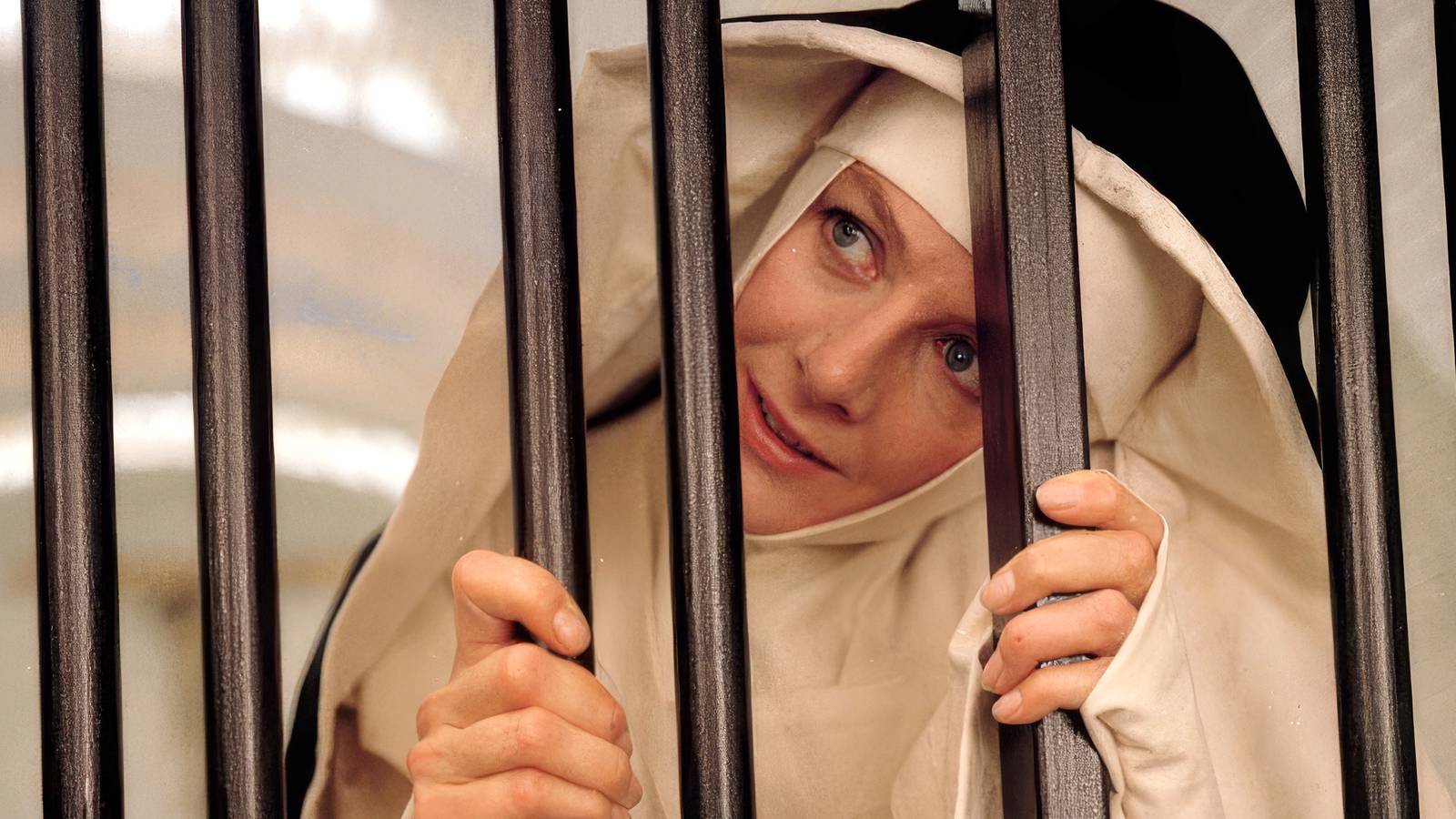
For those who relish The Devils' unflinching critique of institutional faith, Luis Buñuel's Viridiana (1961) is essential. This Spanish-Mexican co-production follows a novice nun whose charitable impulses are twisted into a surreal Last Supper tableau. Buñuel, a master of cinematic sacrilege, delivers a scathing indictment of dogma and naivety, wrapped in unforgettable imagery. It's a film that dares to ask what happens when piety meets the world's grime—and answers with devastating irony.

Earlier still, Häxan (1922) stands as a silent-era ancestor to Russell's vision. This Swedish essay-film blends documentary analysis with phantasmagoric reenactments, tracing witchcraft from medieval superstition to modern psychology. Its stark, haunting visuals and scholarly tone prefigure The Devils' exploration of mass hysteria and institutional control. For a film nearly a century old, it feels startlingly contemporary.
Folk Horror and Psychedelic Science
Robin Hardy's The Wicker Man (1973) is a cornerstone of British folk horror, sharing The Devils' fascination with repressed sexuality and clashing belief systems. A devout policeman's investigation on a remote island uncovers a pagan community's dark rituals, culminating in a shocking sacrifice. Both films weaponize sexual tension and religious fervor, forcing viewers to question which side truly holds the moral high ground.
Russell himself revisited his thematic obsessions in Altered States (1980), a mind-bending sci-fi journey into sensory deprivation and primal regression. Based on Paddy Chayefsky's novel, it swaps 17th-century politics for modern scientific hubris, but the result is equally visceral. With its avant-garde score and grotesque transformations, it's a perfect companion to The Devils for those who appreciate Russell's unique brand of intellectual excess.
The Holy Mountain and Beyond
Alejandro Jodorowsky's The Holy Mountain (1973) is a psychedelic allegory that rivals Russell in sheer audacity. A thief and a alchemist ascend a mountain to meet immortal sages, encountering a parade of surreal, often blasphemous tableaux. Its critique of consumerism, religion, and power is delivered with hallucinatory visuals that will linger long after the credits roll. If you crave cinema that feels like a fever dream, this is it.
Other films worth seeking out include Black Narcissus (1947), a Powell and Pressburger classic about nuns in the Himalayas battling their own desires; The Devils' contemporary Tommy (1975), Russell's own rock opera; and Possession (1981), a visceral exploration of madness and monstrous femininity. Each shares a willingness to push boundaries and challenge audiences.
For more cinematic rabbit holes, check out our list of Disney's greatest films for a tonal shift, or dive into upcoming sci-fi that might scratch a similar itch. And if you're curious about the restoration itself, read about the new 4K release.
Ultimately, The Devils endures because it taps into timeless anxieties—about faith, power, and the human body. These eight films, in their own ways, do the same. They are not for the faint of heart, but for those who appreciate cinema as a provocation, they are essential viewing.