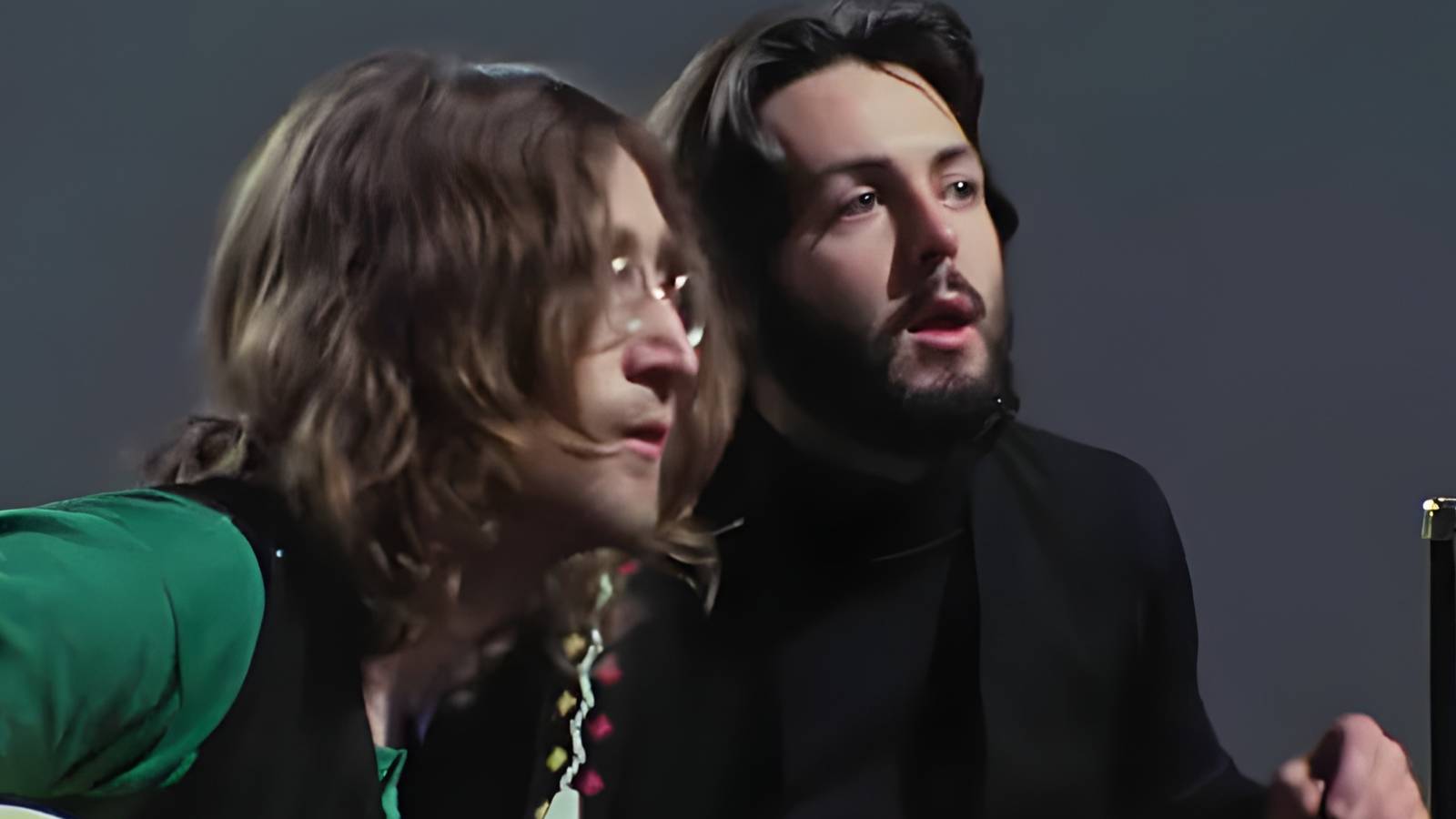
When Paul McCartney announced his departure from The Beatles in April 1970, the world was stunned. But for those who had watched the band's internal dynamics, it was hardly a shock. The creative partnership between McCartney and John Lennon had long been a battlefield, with both songwriters pushing each other to the brink. That friction, however, would eventually give birth to one of McCartney's most enduring solo hits—and even earn a nod of approval from Lennon himself.
A Rivalry That Refused to Die
The Beatles' final years were marked by tension, with Lennon and McCartney often at odds. During the recording of the White Album, Ringo Starr famously took a two-week break to escape the chaos. But the real clash was between the band's two frontmen, and it spilled into the public eye after the split. In a 1971 Rolling Stone interview, Lennon called McCartney an "egomaniac" and accused him of dragging his feet on business matters. McCartney, for his part, used his solo debut to air his own grievances.
Their musical philosophies couldn't have been more different. Lennon aimed to challenge listeners with politically charged anthems like "Imagine" and "Instant Karma!," while McCartney leaned into pure pop craftsmanship, often prioritizing melody over message. Critics were quick to label McCartney as the lightweight of the duo, dismissing his post-Beatles work as shallow. Rolling Stone panned his 1971 album Ram as "inconsequential," and Creem magazine called him "stereotypical and vapid" after a Wings TV appearance.
The Insult That Became a Hit
By the mid-1970s, McCartney had had enough. The final straw came from Lennon himself, who reportedly accused McCartney of writing "silly love songs." Instead of shrinking from the criticism, McCartney decided to lean into it. In 1976, he and Wings released "Silly Love Songs" as the lead single from their album Speed of Sound.
The track is a masterclass in turning a negative into a positive. With its infectious bassline and bright, upbeat arrangement, the song is pure McCartney—but the lyrics carry a pointed message. Lines like "Some people want to fill the world with silly love songs" and the repetitive "I love you" chorus are both a celebration of love and a sly rebuttal to his detractors. It's McCartney at his most self-aware, using his signature charm to flip the script.
A Chart-Topping Revenge
The gamble paid off spectacularly. "Silly Love Songs" shot to No. 1 on the U.S. Billboard Hot 100, where it stayed for five weeks, and was later named the top pop song of 1976. The success silenced many of McCartney's critics, who were forced to acknowledge his songwriting prowess. Even Lennon, the source of the original insult, was reportedly moved by the track. His photographer, Bob Gruen, said Lennon saw it as a personal message—a declaration of love from his former partner. Some even believe it inspired Lennon to write his own comeback single, "(Just Like) Starting Over."
In the end, "Silly Love Songs" stands as a testament to McCartney's resilience and creativity. What could have been a bitter response to criticism became a joyful, chart-topping anthem that proved love songs—silly or not—have a place in music history. For fans of Lennon's greatest Beatles songs, the rivalry between the two legends remains a fascinating chapter in rock history, and this hit is a perfect example of how even the harshest words can spark something beautiful.
McCartney's ability to turn a personal jab into a universal hit is a lesson in artistic resilience. And while the Beatles' breakup was painful, it gave us some of the most memorable music of the 1970s—including this timeless ode to love.