Alternative rock isn't just a genre—it's a sprawling universe of sound that has constantly reinvented itself. From the arty experimentalism of the '60s to the post-punk revival of today, alt-rock has always been a home for outsiders, innovators, and noisemakers. But which band truly owned each decade? We're breaking down the best alternative band of every era, from the genre's earliest pioneers to its modern-day torchbearers.
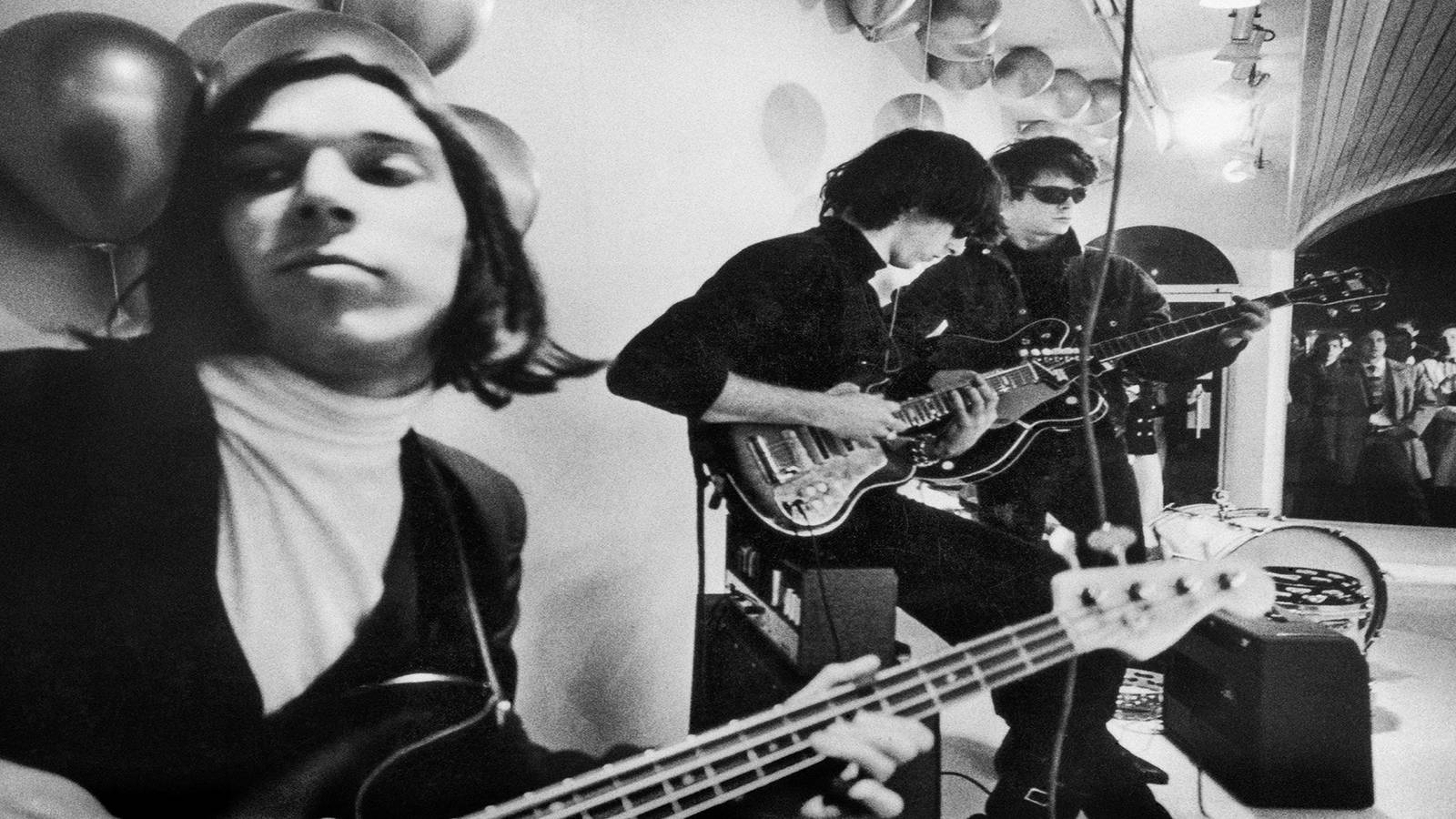
1960s: The Velvet Underground
Before alternative rock even had a name, The Velvet Underground were busy inventing it. The New York band never sold many records—their landmark 1967 debut, The Velvet Underground & Nico, moved fewer than 30,000 copies in its first five years—but its influence is immeasurable. With droning violas, taboo lyrics, and a fearless avant-garde spirit, they laid the groundwork for punk, grunge, and indie rock. David Bowie, Patti Smith, and R.E.M. all cited them as a crucial inspiration. They may not have been famous, but they were the first true alternative band.
1970s: Talking Heads
Formed in New York City in 1975, Talking Heads started as an underground curiosity and grew into one of the most innovative acts of the century. Their 1977 debut, Talking Heads '77, introduced the world to "Psycho Killer" and frontman David Byrne's singular vision. By blending funk, punk, disco, art rock, and global rhythms, they helped pioneer new wave and expanded what rock music could be. Their eccentric, energetic sound remains utterly unique—and endlessly influential.
1980s: R.E.M.
R.E.M. spent the '80s grinding it out in dive bars and pizza joints across the American South, building a devoted college-rock following one show at a time. Over six albums that decade, the Georgia band crafted a jangly, folk-inflected sound powered by Michael Stipe's emotive vocals and Peter Buck's arpeggiated riffs. They didn't achieve mainstream success until 1991's Out of Time and 1992's Automatic for the People, but their persistence paved the way for countless indie bands. Nirvana and Pixies both credit R.E.M. as a foundational influence.
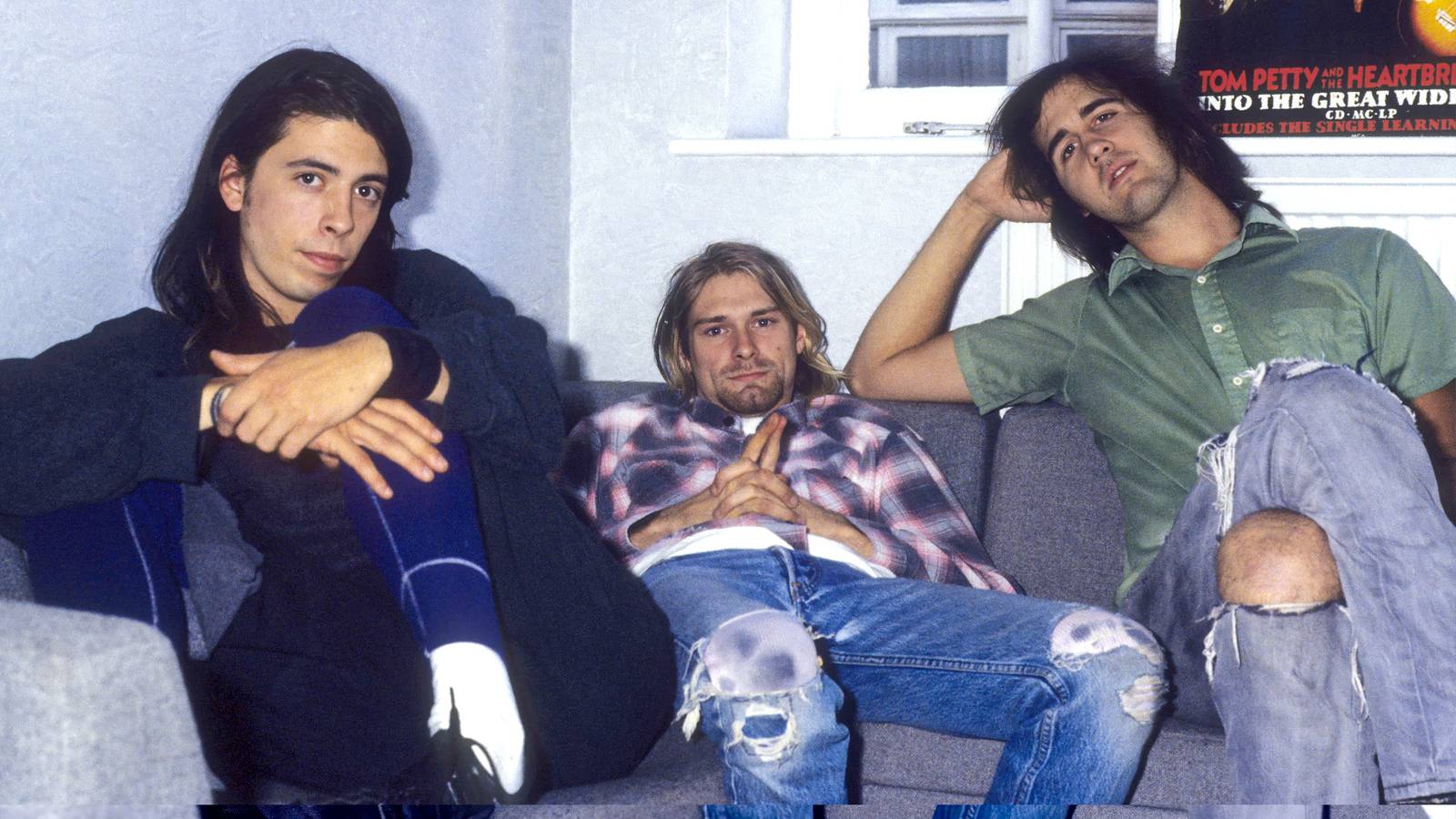
1990s: Nirvana
By the time the '90s arrived, alternative music was exploding. Seattle's grunge scene was producing hits from Soundgarden and Pearl Jam, but no band defined the decade like Nirvana. With the 1991 release of Nevermind and its seismic lead single "Smells Like Teen Spirit," Kurt Cobain and company brought raw vulnerability and outsider angst to the masses. They've sold over 60 million records in the U.S. alone, and their fusion of punk and pop changed rock forever. For a generation of teens and young adults, Nirvana was the voice of their alienation—and their anger.
2000s: Green Day
Green Day emerged from the Bay Area punk scene in the late '80s, but their defining moment came in 2004 with American Idiot, a punk-rock opera fueled by post-9/11 political unrest. The album catapulted them to new heights, thanks to anthemic, melodic tracks that dominated radio. While their early work was fast and furious, their '00s output was grand and theatrical. As the quintessential pop-punk band, Green Day are widely credited with reviving mainstream interest in punk rock.
2010s: Vampire Weekend
Vampire Weekend burst onto the scene in 2008 with a preppy, Afro-pop-inflected indie sound that felt totally fresh. Throughout the 2010s, they evolved with each album, culminating in the ambitious Father of the Bride in 2019. Their witty lyrics, intricate arrangements, and genre-blurring approach made them the defining alt band of the decade. They proved that alternative rock could be brainy, joyful, and endlessly inventive.
2020s: Fontaines D.C.
Dublin's Fontaines D.C. have quickly become one of the most vital bands of the current decade. With a post-punk sound that's both gritty and poetic, they channel the spirit of The Velvet Underground and Joy Division while pushing forward. Albums like Dogrel and Skinty Fia earned critical acclaim and a growing global fanbase. As alternative rock continues to evolve, Fontaines D.C. are leading the charge—proving that the genre's rebellious heart is still beating strong.
From the Velvets' avant-garde experiments to Fontaines D.C.'s modern post-punk, alternative rock has never stopped reinventing itself. Each decade brings a new band that captures the zeitgeist and pushes the boundaries of what's possible. And if you want to dive deeper, check out our ranking of the 25 best alt-rock songs ever or explore the definitive '80s alt-rock albums. For more on the bands that shaped rock, see our list of top American rock bands.