The Beatles only spent about eight years as a recording band, but in that short time, they reshaped music forever. They laid the groundwork for modern rock and pop, churning out countless No. 1 hits along the way. From tender ballads to hard rock and avant-garde experiments, the Fab Four did it all. But not every masterpiece gets its moment in the spotlight—no matter how emotionally devastating it is.
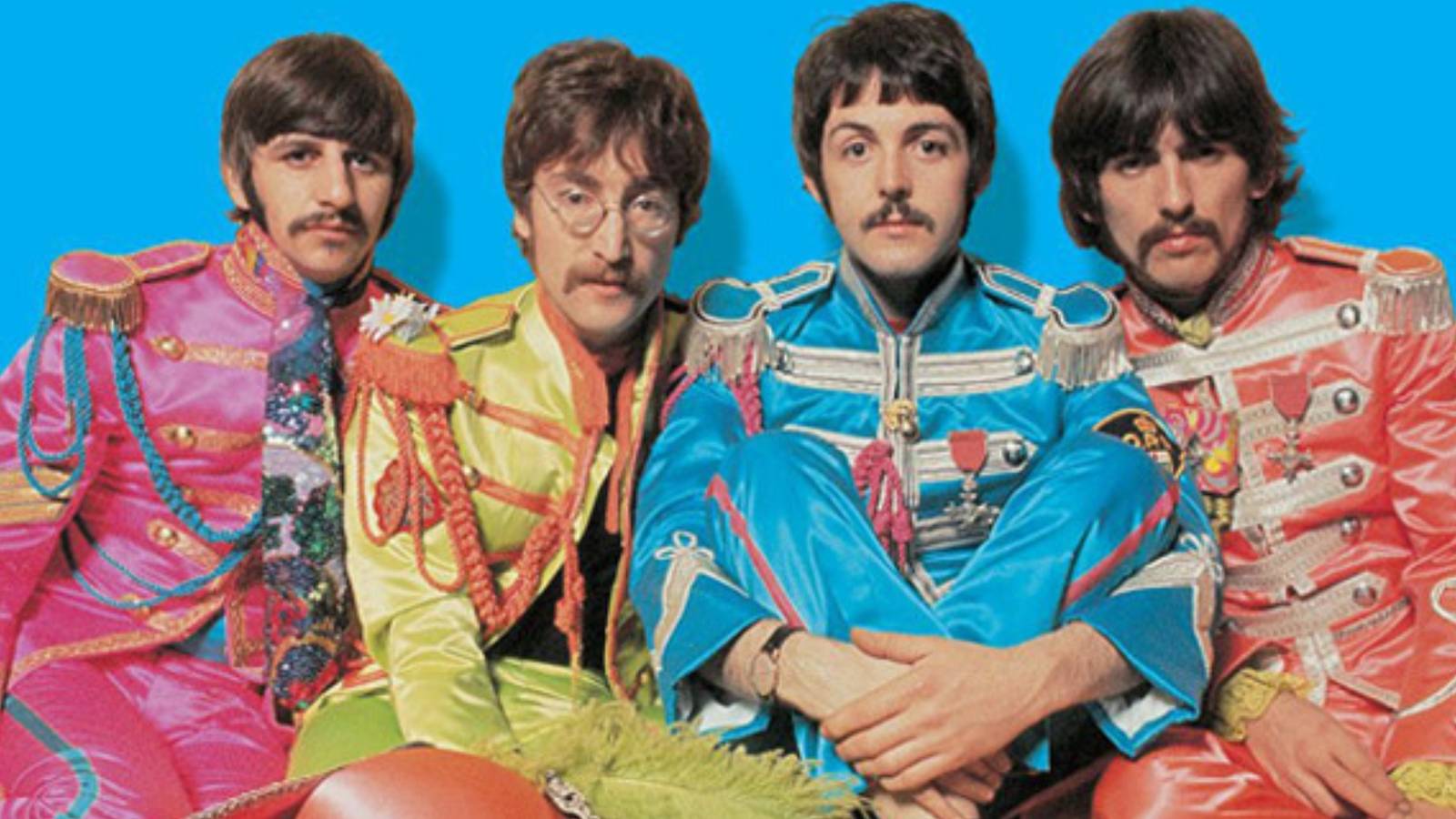
In 1967, The Beatles had stopped touring, and that freedom allowed them to explore new sounds. The result was Sgt. Pepper's Lonely Hearts Club Band, the biggest album of the 1960s. Drenched in psychedelia and the restless energy of the late '60s youth, it contains some of their greatest works—including what many consider their saddest song ever: "She's Leaving Home."

The Story Behind the Song
It's no secret that The Beatles often drew inspiration from real-life events. John Lennon wrote "A Day in the Life" after reading about a fatal car crash. Paul McCartney followed a similar path for "She's Leaving Home." While scanning the newspaper, he came across a story about a teenage girl who had run away, leaving her desperate parents searching for answers. McCartney began writing the song as if he were composing the girl's goodbye letter—and in doing so, he captured every parent's worst fear.
"John and I wrote 'She's Leaving Home' together. It was my inspiration. We'd seen a story in the newspaper about a young girl who'd left home and not been found, there were a lot of those at the time, and that was enough to give us a storyline," McCartney later recalled. The Lennon-McCartney partnership shines here: McCartney sings from the daughter's perspective—"She's leaving home after living alone for so many years"—while Lennon delivers the parents' heartbreak: "We gave her most of our lives... sacrificed most of our lives... we gave her everything money could buy."
The song never became a hit like "Yesterday" or "She Loves You," but decades later, it stands as a perfect document of the generational divide of the 1960s. It's a track that feels as raw and relevant today as it did then—much like the emotional gut-punch of the saddest Toy Story movies, which also explore themes of abandonment and longing.
The Eerie Real-Life Connection
It's no surprise McCartney connected with a story about a runaway teen. After all, The Beatles themselves had left home as teenagers, heading to Germany to play clubs and reject their parents' world. But the real twist? McCartney had actually met the girl from the newspaper years earlier.
The runaway, Melanie Coe, had appeared on the British TV show Ready, Steady, Go! the same night The Beatles performed. McCartney was a judge for a talent contest and chose her as the winner. Four years later, Coe ran away from home—pregnant and in love with her boyfriend. She didn't know a song had been written about her until much later. Even the lyrics eerily matched her reality: "the man from the motor trade" was close to her boyfriend's actual job as a croupier who had worked in the motor trade.
"I ran off with my boyfriend, who was a croupier, although he had been 'in the motor trade' like it says in the song," Coe explained in 2008. As for why she didn't tell her parents? The Beatles got it right: "They gave me everything—coats, cars. But not love." She added, "That line, 'She's leaving home after living alone for so many years' is so weird to me because that's why I left. I was so alone. How did Paul know that?"
It's a haunting reminder that sometimes the saddest songs come from the most personal truths. For more stories of heartbreaking moments in entertainment, check out why 'Appa's Lost Days' remains the saddest episode in TV history.
"She's Leaving Home" may not have topped the charts, but its emotional weight has only grown with time. It's a testament to The Beatles' ability to turn a newspaper clipping into a timeless, gut-wrenching ballad—one that still resonates with anyone who has ever felt alone, misunderstood, or desperate to be free.