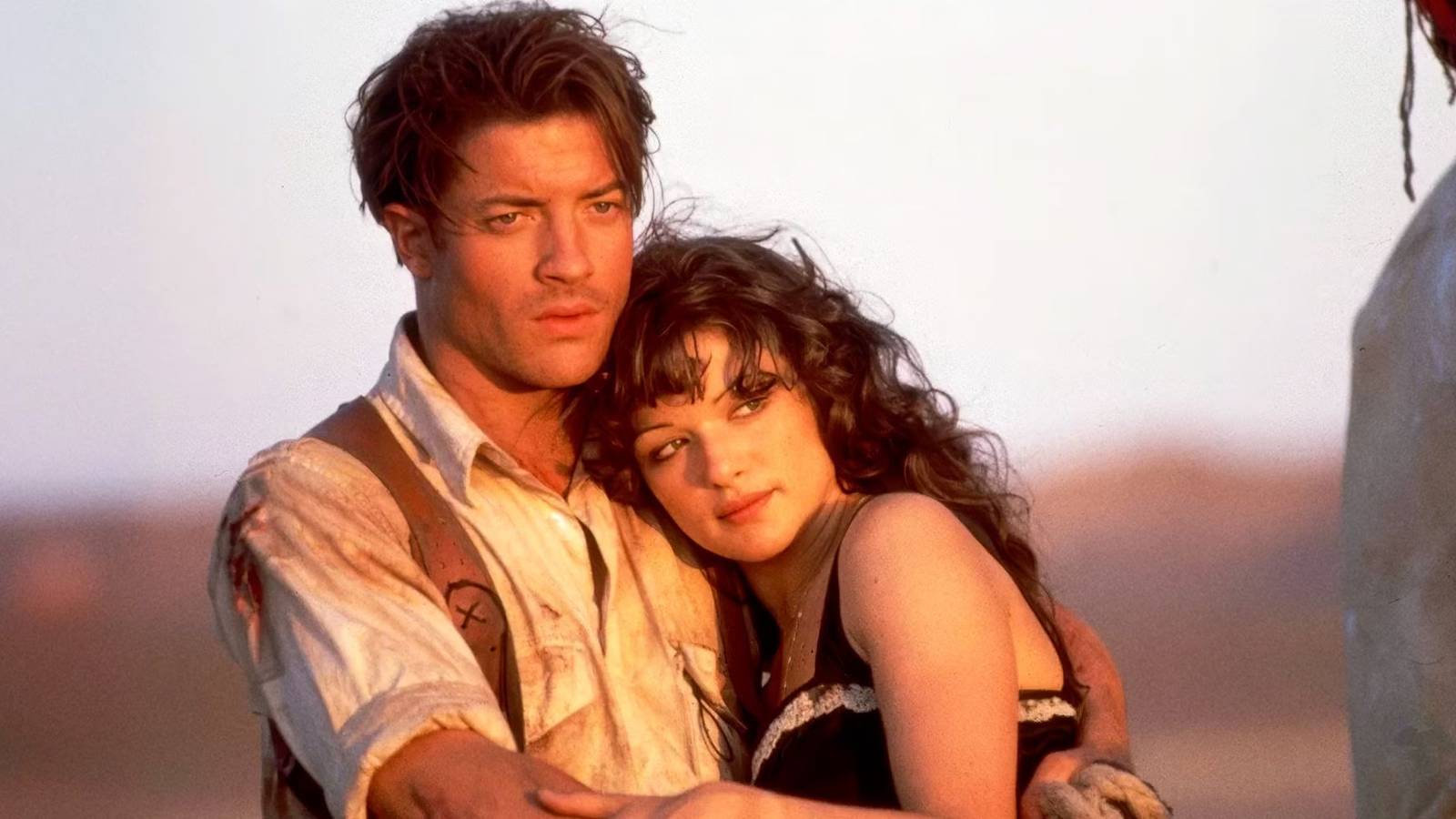
In the world of film trilogies, the middle chapter often gets short shrift. Sandwiched between a fresh introduction and a grand finale, it's frequently seen as mere connective tissue—a story that complicates without concluding. But when a sequel truly understands its purpose, it can become the trilogy's crowning achievement. Freed from the need to establish a world and unburdened by the pressure to wrap everything up, these films take daring narrative risks, deepen character arcs, and expand their universes in ways that redefine everything that came before and everything that follows.
These aren't just sequels that are bigger or darker; they're smarter, more ambitious, and often more emotionally complex. They challenge their heroes, expose moral gray areas, and aren't afraid to leave audiences on a cliffhanger. Here, we celebrate the ten greatest second acts in movie history—the films that didn't just bridge a gap but became the unforgettable heart of their trilogies.
10. Dawn of the Dead (1978)
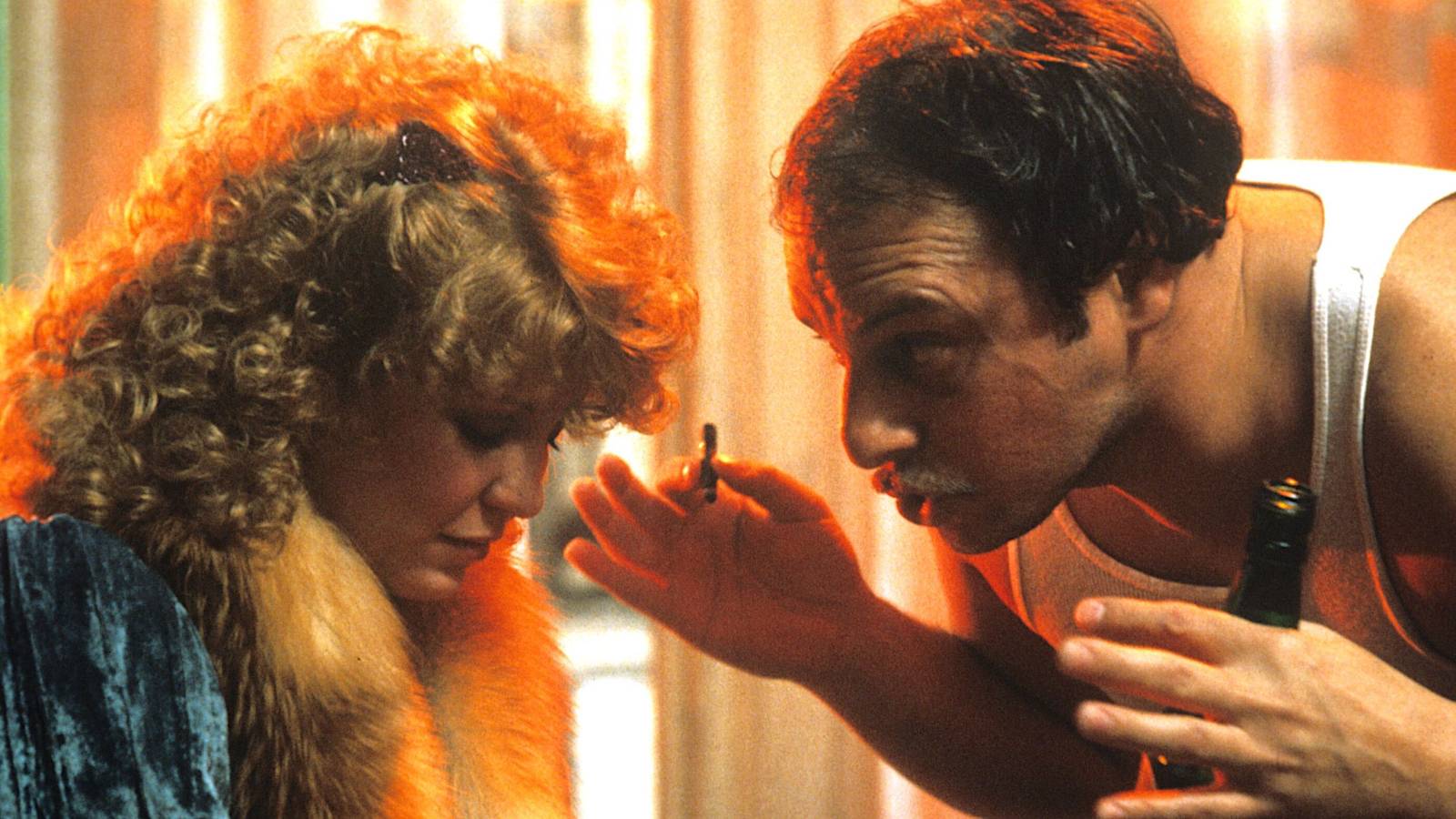
While George A. Romero made more than three zombie films, his original undead triptych remains his most iconic. Night of the Living Dead reinvented horror, but Dawn of the Dead is where his vision fully crystallized. Relocating the terror to a shopping mall, the film masterfully blends gruesome horror with incisive social satire. It transforms consumer culture into both a punchline and a profound critique of human nature, creating a stomach-churning nightmare that's also a brilliant commentary on a society addicted to comfort. By expanding the scope and stakes of the apocalypse, Dawn elevates the entire trilogy into something more philosophically rich than mere scare fare.
9. Evil Dead 2 (1987)
For many, Evil Dead 2 is the definitive Evil Dead experience. Director Sam Raimi essentially remade his own low-budget original with more resources, sharper comedic timing, and complete stylistic command. The result is a glorious, hard-to-classify cocktail of slapstick comedy, over-the-top gore, and genuine terror, all centered on Bruce Campbell's iconic, chainsaw-wielding Ash. The film's genius lies in its fearless escalation, pushing physical comedy and horror to cartoonish extremes. It doesn't just continue the story; it perfects the series' unique tone, ensuring the trilogy's legendary status. For more genre-defining classics, explore our list of the top fantasy films that defined the last 50 years.
8. Spider-Man 2 (2004)
Sam Raimi's first Spider-Man helped blueprint the modern superhero movie. His sequel is often hailed as one of the genre's pinnacles. Spider-Man 2 builds beautifully on its predecessor, deepening Peter Parker's personal struggles and his fraught relationship with Mary Jane Watson. It introduces one of cinema's great villains in Alfred Molina's tragic Doctor Octopus. What makes this middle chapter so powerful is its willingness to let its hero fail—losing his powers, his confidence, and his connections. By grounding spectacular action in genuine emotional stakes, like the legendary runaway train sequence, the film set a standard for character-driven superhero storytelling that remains influential today.
7. Mad Max 2: The Road Warrior (1981)
If Mad Max sketched a dystopian future, The Road Warrior plunged viewers headlong into its fully realized, brutal heart. Director George Miller stripped away exposition and dialogue, crafting a near-mythic action film propelled by breathtaking imagery, relentless momentum, and some of the most inventive stunts ever captured. Max Rockatansky (Mel Gibson) is refined into a pure archetype of survival, a lone wanderer in a world where civilization's last remnants are fiercely contested. The action is clearer, faster, and more intense, culminating in a chase finale that became massively influential. While the third film, Beyond Thunderdome, ventured into camp, The Road Warrior stands as a flawless, kinetic masterpiece.
6. The Lord of the Rings: The Two Towers (2002)
Peter Jackson's monumental adaptation faced its greatest narrative challenge with The Two Towers. Without a clear beginning or ending, it had to sustain epic momentum across multiple, diverging storylines—and it succeeded spectacularly. The film expands Middle-earth's scope, introduces key players like King Théoden and the unforgettable Gollum, and delivers seminal battles at Helm's Deep and Isengard. It deepens themes of friendship, sacrifice, and creeping darkness, raising the stakes exponentially for the final chapter. The film's ability to balance intimate character moments with large-scale spectacle cemented the trilogy's place in cinematic history. The franchise's legacy continues, as seen in the recent streaming dominance detailed in 'Fellowship of the Ring' Dominates Global Streams in 2026.
5. Star Wars: Episode V - The Empire Strikes Back (1980)
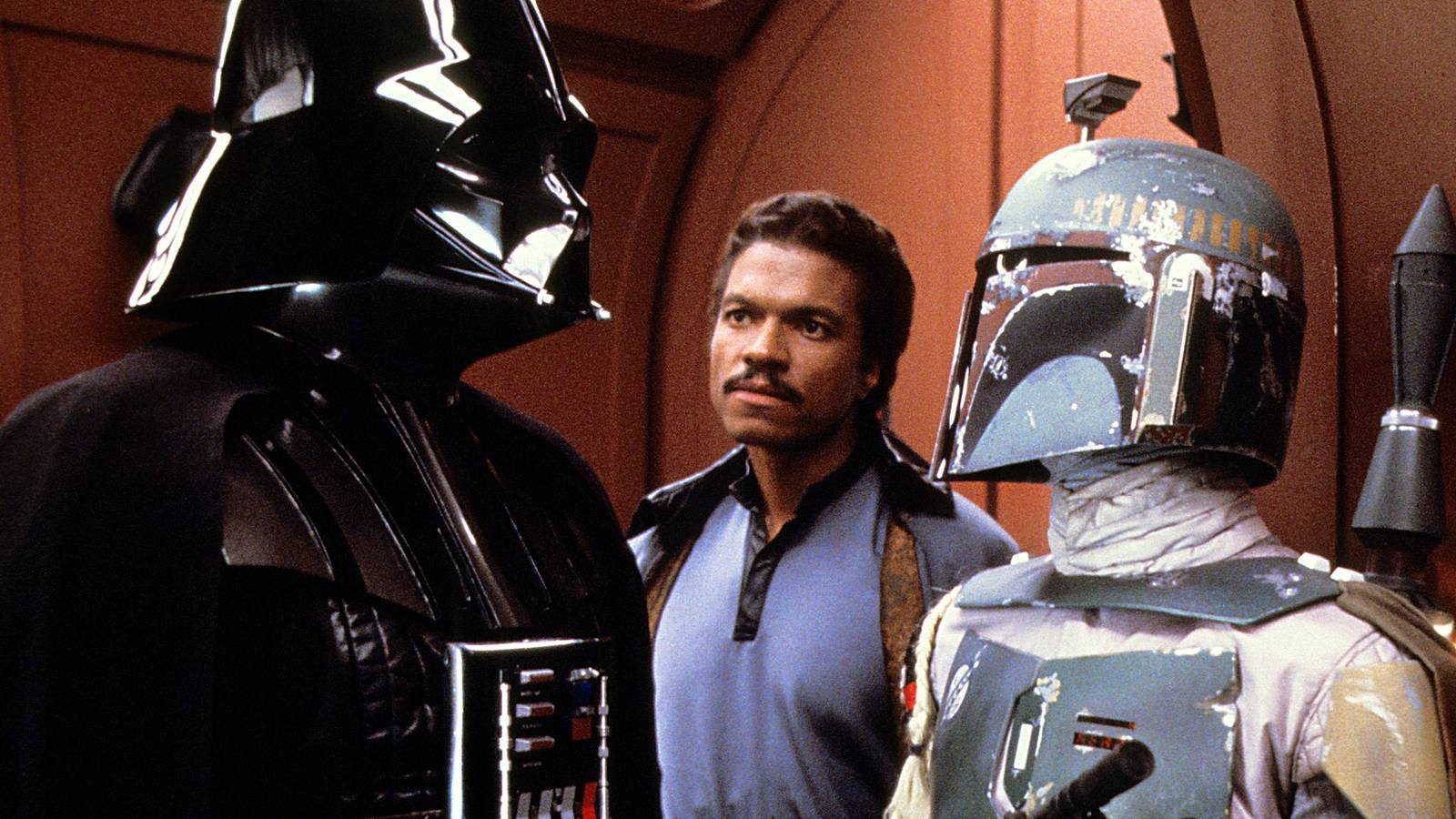
The gold standard for trilogy middle chapters, The Empire Strikes Back took the adventurous spirit of A New Hope and infused it with deeper mythology, darker consequences, and richer character development. From the icy battle of Hoth to the swampy mysteries of Dagobah and the cloud city of Bespin, the film expands the galaxy far, far away while putting our heroes through their most punishing trials. It delivers the most famous plot twist in cinema history, fundamentally altering Luke Skywalker's journey and the saga's entire dynamic. By ending on a note of unresolved hope amidst defeat, it proved a middle chapter could be the most impactful and beloved installment of all.
4. The Dark Knight (2008)
Christopher Nolan's The Dark Knight transcended the superhero genre to become a gripping crime epic. Building on the grounded realism of Batman Begins, this sequel plunges Bruce Wayne into a moral war of attrition against the anarchic Joker (Heath Ledger in an Oscar-winning performance). The film explores complex themes of chaos, order, and sacrifice, pushing Batman to his ethical limits. With sprawling, practical-action set pieces and a profound examination of heroism in a gray world, The Dark Knight didn't just elevate its trilogy; it redefined what comic book movies could aspire to be, both critically and commercially.
3. Before Sunset (2004)
Richard Linklater's Before trilogy is a masterpiece of intimate storytelling, and its second chapter is arguably its most poignant. Set nine years after Jesse and Céline's magical night in Vienna, Before Sunset reunites the pair for a fleeting, real-time afternoon walk through Paris. The film trades the romantic idealism of the first movie for a heartbreaking, achingly authentic conversation about roads not taken, regret, and the lingering power of connection. The walking-and-talking format reaches its zenith here, with the dialogue and chemistry between Ethan Hawke and Julie Delpy creating unparalleled emotional resonance, making the possibility of a third chapter feel both necessary and miraculous.
2. The Godfather Part II (1974)
Widely considered one of the greatest films ever made, Francis Ford Coppola's sequel performs a breathtaking narrative feat. It simultaneously chronicles Michael Corleone's (Al Pacino) ruthless consolidation of power in the 1950s and the rise of his father, Vito (Robert De Niro), in early 20th-century New York. This parallel structure creates a devastating contrast between the founding and the corruption of an empire. Part II deepens the saga's themes of family, power, and the American dream, transforming Michael's story into a tragic epic of moral decay. It's a rare sequel that expands and enriches the original without merely repeating it. For fans of cinematic crime sagas, check out our ranking of the top crime films that redefined the genre.
1. Toy Story 2 (1999)
Initially conceived as a direct-to-video sequel, Toy Story 2 emerged as a cinematic miracle that deepened the emotional universe Pixar created. When Woody is stolen by a collector, the film explores themes of legacy, purpose, and mortality through the introduction of new characters like Jessie the Cowgirl and Stinky Pete the Prospector. Its now-legendary sequences, like Jessie's flashback to being abandoned, set a new benchmark for emotional storytelling in animation. The film balances hilarious new adventures (with Buzz Lightyear's doppelgänger) with profound questions about what it means to be loved and remembered, ensuring the trilogy's heart would forever be rooted in its brilliant middle chapter. For more on iconic cinematic moments, don't miss our feature on Cinema's Greatest Goodbyes.
These ten films prove that a trilogy's second act is not a place to simply mark time. It's a unique opportunity to challenge characters, complicate themes, and take creative risks that can result in a story's most unforgettable chapter. They remind us that the journey's middle can often be its most rewarding destination.