First impressions get all the attention, but in science fiction, the last line can be just as powerful. A weak closer can sour an otherwise brilliant novel, while a perfectly crafted final sentence can haunt readers for years. From post-apocalyptic epics to dystopian YA, here are the 10 greatest closing lines in sci-fi history, ranked.
Spoiler warning: We discuss the endings of every book on this list.
10. A Canticle for Leibowitz (1959)
Walter M. Miller Jr.'s post-apocalyptic classic follows humanity over 2,000 years as it rebuilds civilization only to repeat its self-destructive cycle. The final line, "He was very hungry that season," shifts focus from human folly to a single shark, reminding us that our grandest catastrophes are meaningless to the rest of the natural world. It's a bleak, brilliant note about humanity's insignificance.
9. The Moon Is a Harsh Mistress (1966)
Robert A. Heinlein's Hugo-winning novel about a lunar penal colony rebelling against Earth ends with a surprisingly light touch: "My word, I'm not even a hundred yet." Instead of a weary hero surveying a broken world, Heinlein gives us dry humor and optimism. The revolution succeeded, and life is just beginning.
8. Mockingjay (2010)
Suzanne Collins' divisive finale to The Hunger Games trilogy closes with Katniss Everdeen reflecting, "But there are much worse games to play." It's a bittersweet, understated line that refuses to offer a fairy-tale ending. After all the trauma and violence, Katniss accepts her past and looks forward with cautious hope.
If you enjoy stories that leave you feeling unsettled, check out our ranking of films that will leave you hopeless.
7. Dune (1965)
Frank Herbert's masterpiece subverts the hero's journey, and its final line drives that home: "While we, Chani, we who carry the name of concubine—history will call us wives." Instead of ending with Paul Atreides triumphant, Herbert gives the last word to two women discussing how power, gender, and history are really written. It's a thematic mic drop.
6. Frankenstein; or, The Modern Prometheus (1818)
Mary Shelley's genre-defining novel ends with the creature's haunting reflection: "He was soon borne away by the waves, and lost in darkness and distance." It's a poetic, tragic close that underscores the novel's themes of abandonment and isolation. Two centuries later, it still resonates.
For more literary chills, see our list of horror movies based on books.
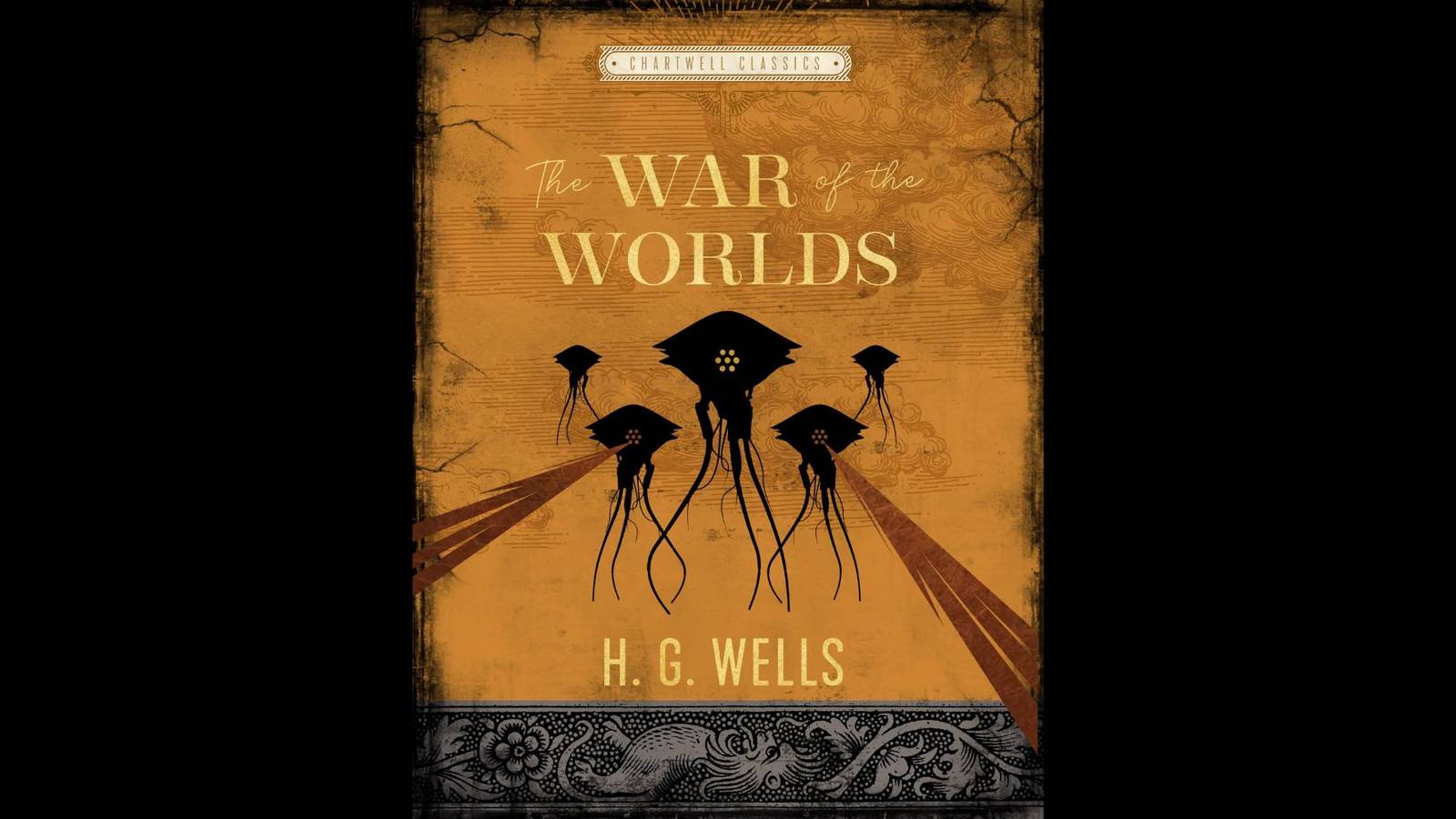
5. The War of the Worlds (1898)
H.G. Wells' alien invasion classic ends with a sobering observation: "And strangest of all is it to hold my wife's hand again, and to think that I have counted her, and that she has counted me, among the dead." It's a quiet, human moment after apocalyptic chaos, reminding us of the fragility of life.
4. Cloud Atlas (2004)
David Mitchell's nested narrative concludes with a poetic meditation: "But what is any ocean but a multitude of drops?" It's a line that ties together the novel's sprawling themes of interconnection and eternal recurrence. Beautiful and thought-provoking.
3. Nineteen Eighty-Four (1949)
George Orwell's dystopian nightmare ends with the most chilling line of all: "He loved Big Brother." After Winston Smith's brutal re-education, his spirit is utterly broken. It's a devastating final note that has haunted readers for generations.
2. The Handmaid's Tale (1985)
Margaret Atwood's dystopian novel closes with the ambiguous line: "Are there any questions?" It's a meta-fictional twist that leaves Offred's fate uncertain while critiquing how history is recorded. It's a brilliant, unsettling ending that invites endless debate.
1. Slaughterhouse-Five (1969)
Kurt Vonnegut's anti-war sci-fi masterpiece ends with a simple, devastating line: "Poo-tee-weet?" It's the sound of a bird after the Dresden bombing, a meaningless noise that underscores the senselessness of war. It's a final line that captures the novel's tragic absurdity perfectly.
If you love weird fiction, don't miss our ranking of the best weird fiction books.