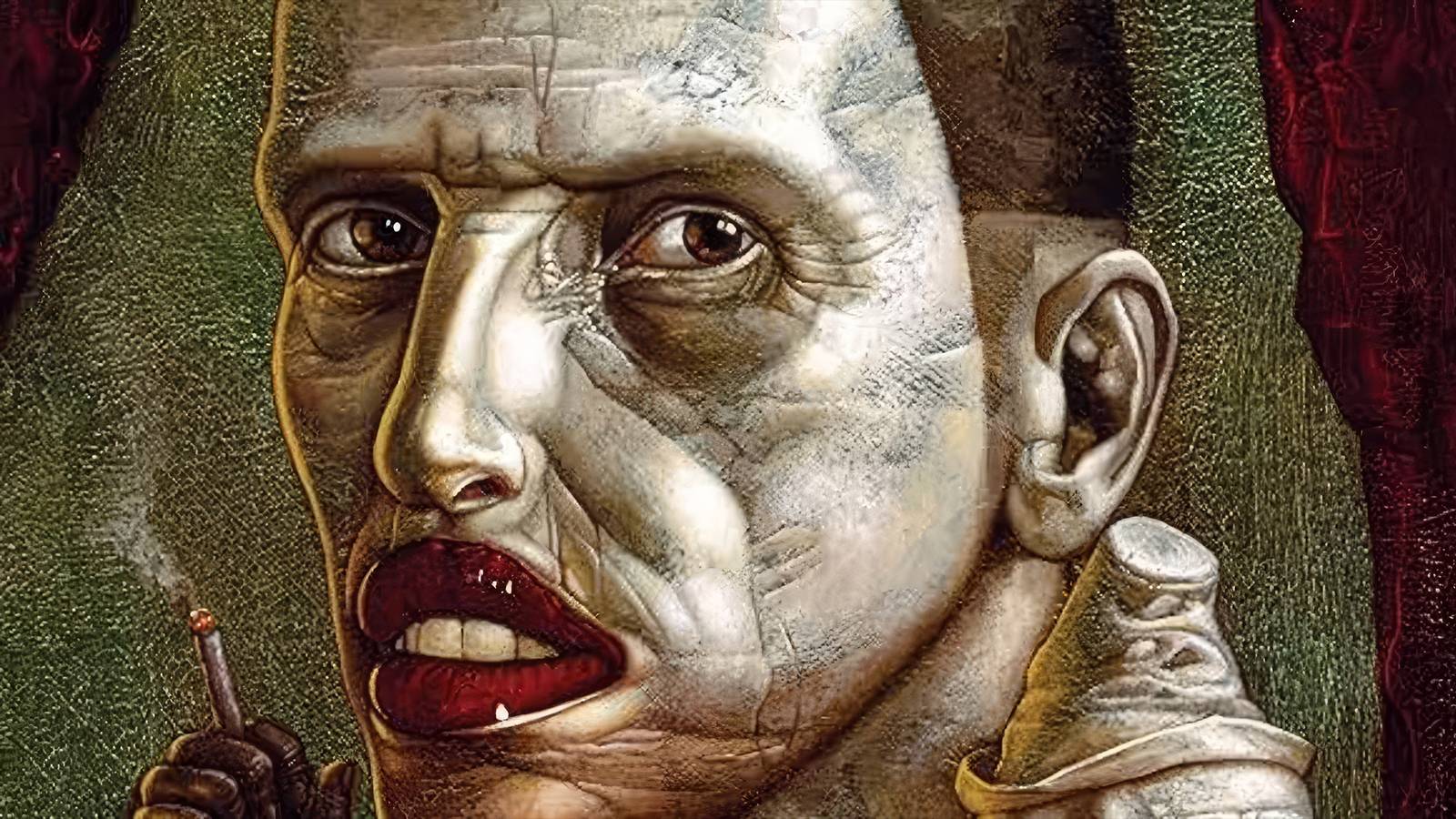
For centuries, supernatural storytelling was boxed into ghost stories and vampire tales with tidy morals and rational explanations. Then came Edgar Allan Poe, who shattered those conventions and opened the door to a strange new subgenre: weird fiction. This slippery category thrives on blending horror, fantasy, and science fiction to provoke dread, awe, and a refusal to explain the inexplicable. From the pulp pages of the early 20th century to the modern New Weird movement, these ten books stand as the genre's towering achievements.
10. Annihilation (2014)
Jeff VanderMeer is the godfather of contemporary weird fiction, and his Southern Reach trilogy—starting with Annihilation—is essential reading. This Nebula and Shirley Jackson Award winner drops readers into Area X, a surreal, mutating landscape that defies logic and memory. It's a head-spinning, subversive novel that rewards multiple readings, and it helped define the New Weird movement of the 2000s. If you're new to the genre, this is the perfect entry point.

9. The King in Yellow (1895)
Robert W. Chambers' short story collection is a bridge between Victorian horror and cosmic dread. The book's first half is pure terror, centered on a play that drives readers mad; the second half shifts to lighter romantic tales. H.P. Lovecraft himself cited it as an influence, and it remains a blueprint for weird fiction writers. Its eerie atmosphere and unsettling ambiguity still resonate today.
8. The Etched City (2003)
K.J. Bishop's debut novel is a cult favorite of the New Weird, often compared to the works of VanderMeer and China Miéville. Set in a gritty, hallucinatory world, it blends philosophical depth with baroque, visceral prose. Bishop's surrealism is subtle yet powerful, crafting a nightmare that feels both beautiful and disturbing. It's a must-read for fans of literary speculative fiction.
7. House of Leaves (2000)
Mark Z. Danielewski's debut is a masterpiece of ergodic literature—a book that demands physical and mental effort to navigate. With its shifting fonts, footnotes, and pages that must be rotated, it's a labyrinthine experience. The story of a house that's bigger on the inside than the outside becomes a meta, satirical exploration of fear and obsession. It's a challenging read, but the payoff is immense.
6. The Willows (1907)
Algernon Blackwood's novella is a cornerstone of cosmic horror, and Lovecraft called it one of the finest supernatural tales ever written. Two canoeists encounter malevolent forces on the Danube, and the story's power lies in what it withholds. The dread builds through suggestion and atmosphere, making it a masterclass in subtle terror. Over a century later, it's still deeply unsettling.
5. Perdido Street Station (2000)
China Miéville's sprawling novel is a defining work of the New Weird, set in the grimy, fantastical city of New Crobuzon. It weaves together a scientist's experiments, a stolen artifact, and a monstrous moth-like creature, all while exploring themes of power and corruption. Miéville's world-building is dizzying, and his prose is both lyrical and brutal. It's a dense, rewarding read that pushes the boundaries of speculative fiction.
4. The City & the City (2009)
Another Miéville masterpiece, this novel blends weird fiction with a police procedural. Two cities occupy the same physical space, but their citizens are trained to 'unsee' each other. When a murder investigation crosses the boundary, the detective must navigate a reality that's both familiar and alien. It's a brilliant exploration of perception and society, and it won the Hugo Award for good reason.
3. The Southern Reach Trilogy (2014)
While Annihilation is the standout, the full trilogy—Authority and Acceptance—expands the mystery of Area X into a profound meditation on memory, identity, and the unknown. VanderMeer's world is both beautiful and terrifying, and the trilogy as a whole is a landmark of modern weird fiction. If you've only read the first book, you're missing out on a richer, stranger tapestry.
2. The Call of Cthulhu (1928)
No list of weird fiction is complete without H.P. Lovecraft, and this short story is his most iconic. It introduces the cosmic entity Cthulhu and the idea that humanity is insignificant in a vast, uncaring universe. Lovecraft's prose is dense and atmospheric, and the story's influence on horror and pop culture is immeasurable. It's a foundational text that every fan of the genre should read.
1. The Willows (1907) – Revisited
Wait, we already covered this one. But it's so good it deserves a second mention. Actually, let's give the top spot to Annihilation—it's the most accessible and impactful weird fiction of the modern era. Its blend of science, horror, and the inexplicable makes it a perfect gateway. So, in the end, the ranking is subjective, but these ten books represent the best of what weird fiction has to offer. Whether you're a seasoned fan or a curious newcomer, they'll leave you questioning reality.
For more on the genre, check out our list of horror films that nail it from the first frame or dive into horror video games that redefined fear. And if you're in the mood for a different kind of scare, our Calvin and Hobbes Halloween comics are a fun detour.