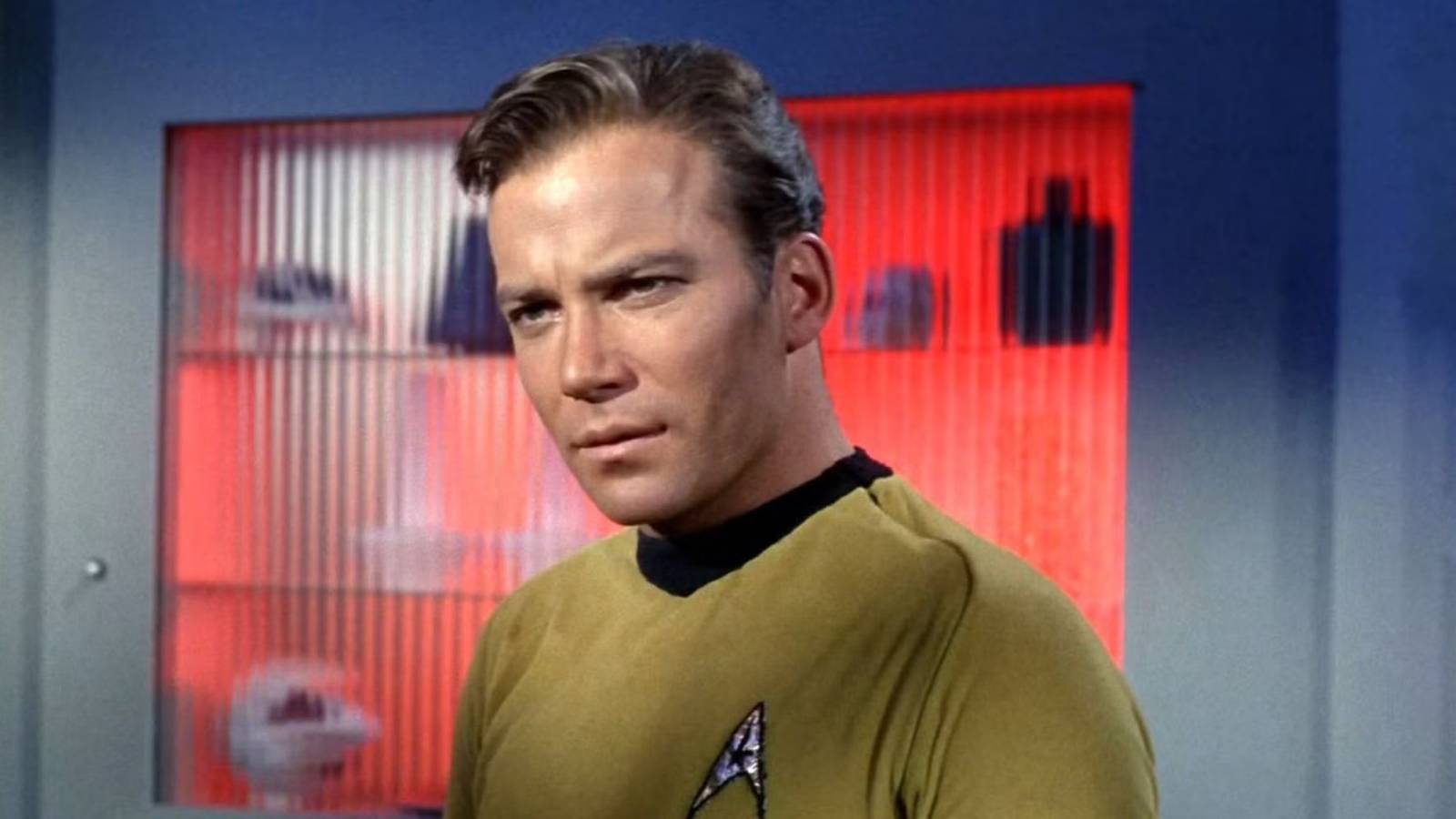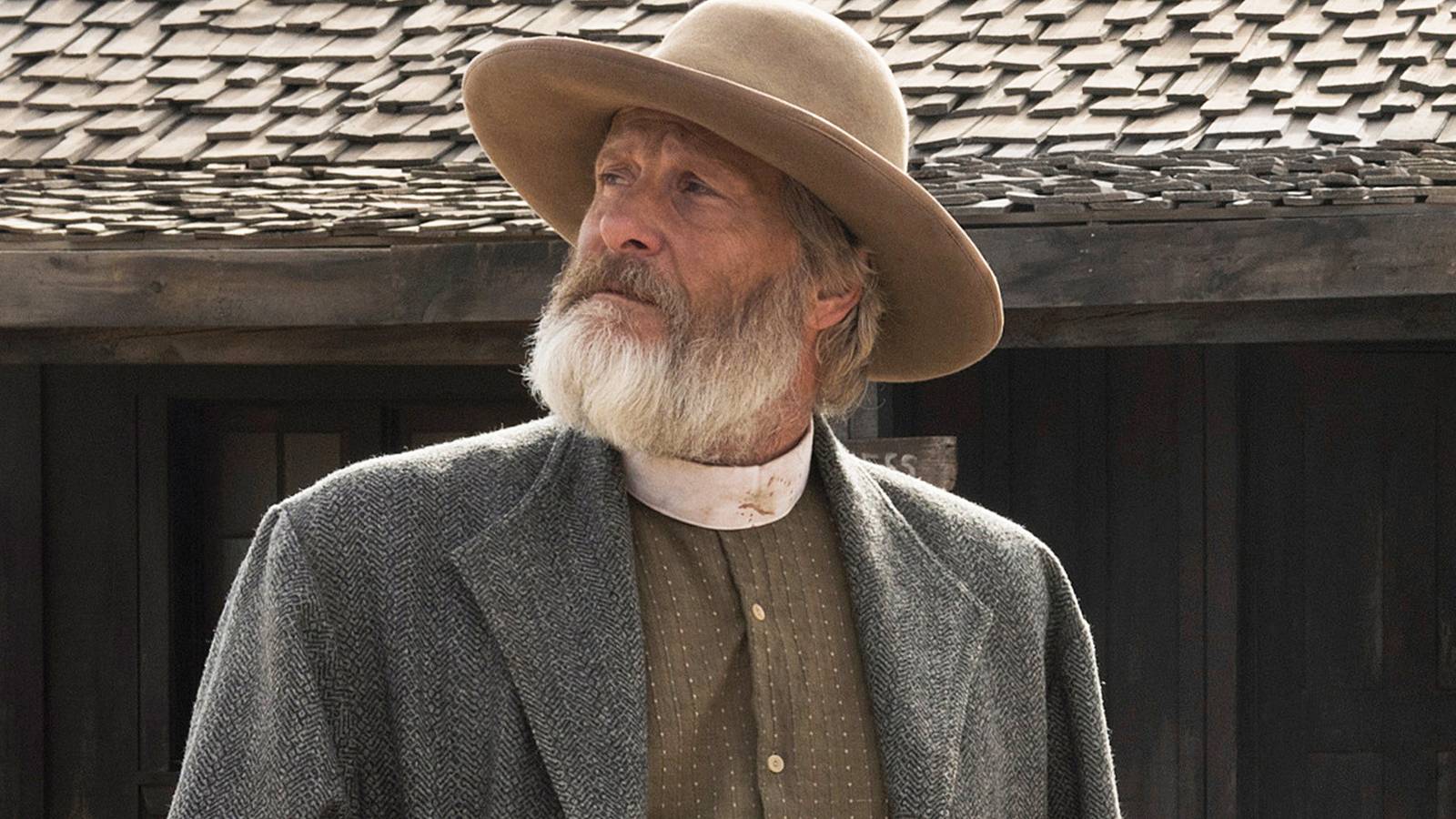
The fifth season of Star Trek: Deep Space Nine ended with a bang—literally and figuratively—in the episode "Call to Arms." This wasn't just another season finale; it was a seismic shift that redefined the entire series and, arguably, the Star Trek franchise itself. After years of building tension, the Dominion's invasion of the Alpha Quadrant finally erupted into full-scale war, forcing Captain Benjamin Sisko (Avery Brooks) to make an impossible choice: abandon the station he's called home and let the enemy take it, all to save his crew and the Federation.
What made "Call to Arms" so revolutionary was its willingness to break the mold. While The Next Generation had dabbled in cliffhangers, this episode took serialized storytelling to a new level. It wasn't just a single threat to be resolved in 45 minutes; it was the start of a multi-season arc that would see Starfleet engaged in a brutal, protracted conflict. The show's creators, Ira Steven Behr and Robert Hewitt Wolfe, tore away any sense of safety, plunging viewers into a narrative where the stakes were higher than ever.
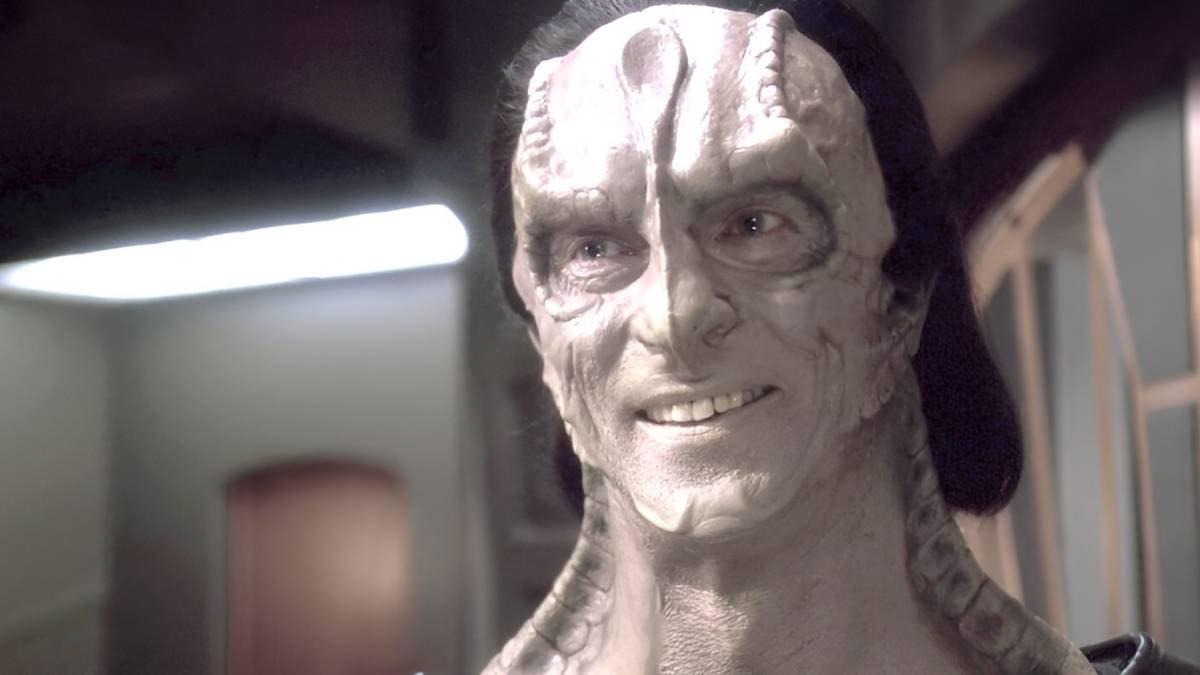
The episode is a masterclass in tension and emotion. From the operatic space battles to the quiet, intimate moments between characters, "Call to Arms" delivers on every front. Who can forget Gul Dukat (Marc Alaimo) striding back onto the station he once ruled, his smugness practically radiating through the screen? Or Sisko's defiant act of leaving his baseball—a symbol of his past—as a message to his nemesis that this fight is far from over? These images are seared into the memory of every fan.
But the true genius of "Call to Arms" lies in its character work. The episode is a portrait of a community on the brink of war, where every goodbye could be the last. Friends, rivals, and lovers all share fleeting moments that underscore what they're fighting for. It's a reminder of the bonds forged on DS9, a station that became a home for a group of misfits and outcasts. These connections would become the emotional core of the series' final two seasons.
The fallout from "Call to Arms" was immense. Sisko would grapple with the moral compromises of war, discovering that his compassionate nature was both a strength and a liability. Kira Nerys (Nana Visitor) would once again find herself leading a resistance, this time against the Dominion's occupation, while pretending to collaborate. And Odo (René Auberjonois) would finally learn the truth about his people, only to realize that his true family was the one he'd found on DS9.
This episode also set the stage for some of the most acclaimed storytelling in Star Trek history. The Dominion War arc that followed is often cited as a high point for the franchise, and it all started here. "Call to Arms" proved that Deep Space Nine was willing to take risks, to challenge the conventions of what a Star Trek show could be. It was a bold, fearless move that paid off spectacularly.
For fans of sci-fi, "Call to Arms" is a must-watch, not just for its action but for its depth. It's a story about sacrifice, loyalty, and the cost of war. It's also a testament to the power of serialized storytelling in a genre that often favored episodic adventures. If you're looking for more examples of how sci-fi can push boundaries, check out our list of sci-fi films that redefine the genre or dive into sci-fi books with unforgettable characters.
In the end, "Call to Arms" wasn't just an episode; it was a turning point. It showed that Deep Space Nine was more than a spin-off—it was a masterpiece in its own right. And it left an indelible mark on the Star Trek universe, one that still resonates today. Whether you're a longtime fan or a newcomer, this episode is essential viewing.