In the music world, a song's destiny isn't always set in stone. Some of the most defining anthems in rock history came perilously close to having a completely different voice behind them. The journey from songwriter's demo to classic hit is often paved with surprising 'what-ifs,' where a simple twist of fate or a scheduling conflict can change musical history forever. Today, we're pulling back the curtain on three legendary tracks that almost landed in the hands of other superstars.
Blondie's "Call Me": A Stevie Nicks Missed Connection
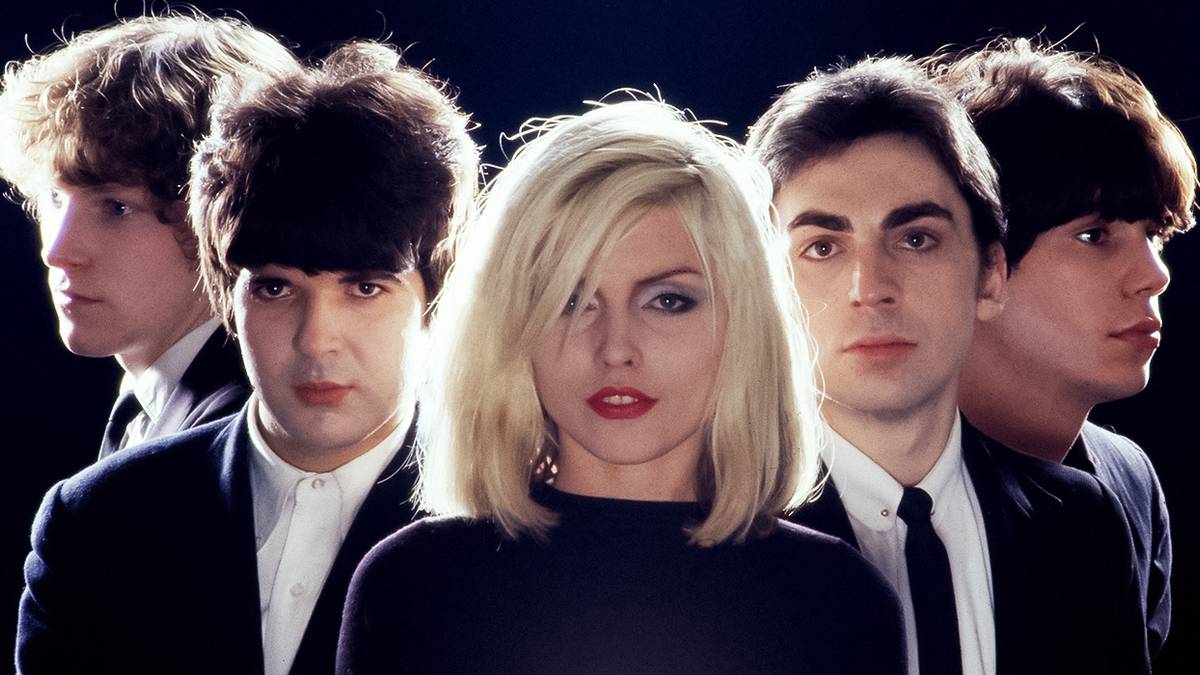
It's almost impossible to imagine the pulsating new wave classic "Call Me" without Debbie Harry's iconic delivery. Yet, the song's composer, Giorgio Moroder, initially had a very different rock goddess in mind: Fleetwood Mac's Stevie Nicks. Crafted for the soundtrack of the film American Gigolo, Moroder sought a powerful female rock voice. With Fleetwood Mac at the peak of their Rumours-era fame, Nicks seemed the perfect fit. However, a recent contract with Modern Records legally prevented her from collaborating with Moroder at the time.
This contractual snag led Moroder to Blondie's frontwoman. Harry not only took on vocal duties but also penned the song's lyrics, transforming it into a chart-topping smash that dominated the Billboard Hot 100. While we can only dream of a Stevie Nicks version, Harry's fierce, charismatic performance cemented "Call Me" as a new wave landmark, proving that sometimes the second choice is the perfect choice.
Aerosmith's Power Ballad: Written for Celine Dion
"I Don't Want to Miss a Thing" stands as Aerosmith's only U.S. number-one single, a soaring power ballad synonymous with the blockbuster film Armageddon. But songwriter Diane Warren originally penned the tune with a different vocal powerhouse in mind: Celine Dion. Warren confessed she envisioned the song for Dion's signature brand of emotive balladry. While the exact reasons Dion passed remain unclear, the door swung open for the Boston bad boys of rock.
Aerosmith's recording, led by Steven Tyler's raspy, passionate vocals, became a global phenomenon. It spent four weeks atop the charts, showing a softer side of the band and connecting with audiences in a way few rock ballads have. It's a fascinating alternate reality to consider—a world where this movie theme song belongs to the queen of adult contemporary instead of the kings of hard rock.
Simple Minds' Signature: Rejected Before It Was Embraced
The anthem that closes John Hughes' The Breakfast Club feels utterly inseparable from Simple Minds. Yet, "Don't You (Forget About Me)" was almost forgotten by the band themselves. Songwriters Keith Forsey and Steve Schiff wrote the track specifically for the Scottish group, but Simple Minds, proud of their own songwriting, initially turned it down. Frontman Jim Kerr later admitted their youthful stubbornness played a role, as they were reluctant to record a song they didn't write.
After the rejection, the song was offered to other artists, including Billy Idol, who also declined. This period of rejection for the track mirrors the themes of the film it would later define. Forsey, persistent, circled back to Simple Minds. This time, the band agreed, and the result was a career-defining smash that captured the angst and hope of a generation. Its journey from unwanted demo to iconic film moment is a classic Hollywood—and music industry—story of perseverance. It makes you wonder about the other projects that came painfully close to greatness with just one different decision.
The Twist of Fate That Shaped Rock History
These stories reveal the fragile alchemy of hit-making. A contract, a change of heart, or a simple 'no' can reroute a song's entire trajectory. While it's tantalizing to imagine Stevie Nicks' ethereal take on "Call Me," Celine Dion's powerhouse version of the Armageddon ballad, or Billy Idol's sneering delivery of "Don't You (Forget About Me)," history played out differently. The artists who ultimately claimed these songs made them their own, embedding them into the fabric of pop culture.
These near-misses remind us that our cultural touchstones aren't inevitable. They are the product of chance, timing, and artistic instinct. The next time you hear one of these anthems, remember the alternate universe where they sound completely different—a universe that, thanks to a few key decisions, we never got to hear. For more fascinating deep dives into how classic films and their music come together, explore our look at forgotten sci-fi classics from the 20th century.