In the crowded universe of streaming sci-fi, Apple TV+’s Constellation briefly shone as a singular star. Launched in 2024, the series quickly garnered a passionate following and critical acclaim for its intelligent blend of high-concept mystery and raw human emotion. Its abrupt cancellation after a single, celebrated season has left fans and critics alike asking: why did Apple pull the plug on a show even Stephen King called "just about perfect"?
A Masterclass in Psychological Sci-Fi
Constellation distinguished itself from typical space thrillers by anchoring its cosmic mystery in profound character drama. The story follows astronaut Jo Ericsson, portrayed with gripping intensity by Noomi Rapace, who returns to Earth after a disaster on the International Space Station. Her homecoming is anything but normal; her reality has subtly, terrifyingly shifted. Her daughter’s memories are different, familiar objects are out of place, and Jo herself grapples with a crumbling sense of identity.

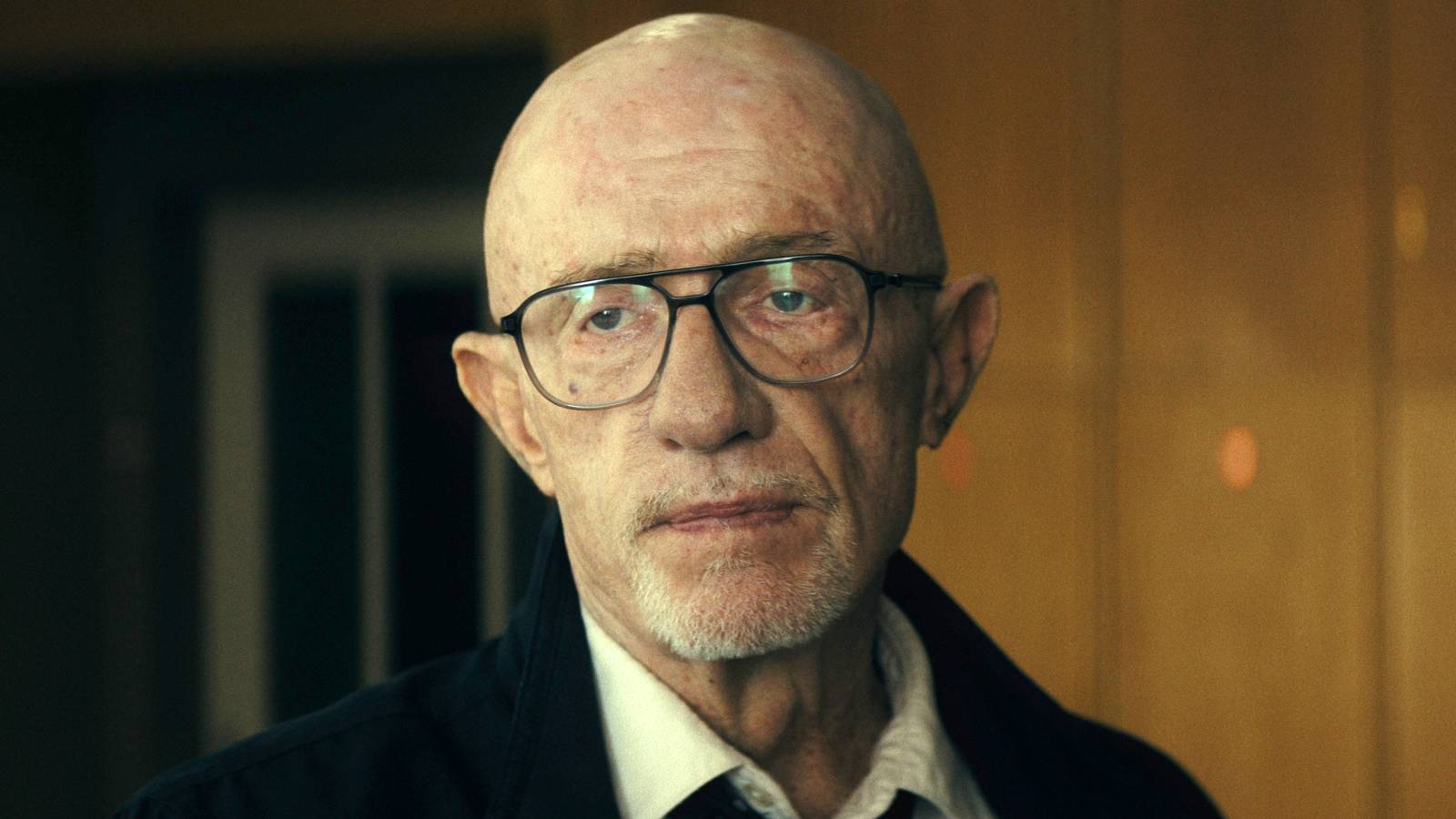
This wasn't a story driven by alien invasions or laser battles, but by the quiet horror of dislocation. The series, created by Peter Harness and executive produced by Michelle MacLaren, built exquisite tension from the question of whether Jo was suffering from trauma or if the universe itself had fractured. Jonathan Banks delivered a powerhouse performance as physicist Henry Caldera, whose work seemed inextricably linked to the unfolding chaos. The supporting cast, including James D’Arcy and William Catlett, provided a rock-solid foundation for the mind-bending narrative.
The Heartbreaking Cliffhanger and Lost Potential
What makes the cancellation particularly painful is the rich narrative groundwork laid for future seasons. Showrunner Peter Harness had confirmed plans for a second chapter, with ideas "saved up for a rainy day" to further explore the show's dense mythology, including the dynamic between Henry and his alternate-reality counterpart, Bud. While Harness wisely provided an emotionally resonant conclusion to Jo and her daughter Alice's arc, the season finale opened thrilling new doors, teasing collisions between timelines and the potential meeting of alternate versions of Jo herself.
The show’s deliberate, patient storytelling—reminiscent of slow-burn greats like Battlestar Galactica—demanded more time to unravel its mysteries. It’s a prime example of sci-fi screenwriting where every detail counts, building a deeply immersive world. The cancellation cuts short a story designed to unfold over multiple acts, leaving a universe of possibilities tragically unexplored.
A Puzzling Decision from a Supportive Platform
Apple TV+ has built a reputation for nurturing ambitious, artist-driven series, making Constellation’s early end especially confounding. The platform is home to complex, patient narratives like Severance and For All Mankind, which were given room to find their audience and deepen their stories. Constellation fit perfectly within that brand of premium, thoughtful genre television.
Its departure leaves a notable gap for viewers seeking smart, character-driven sci-fi. For those missing that specific blend of psychological tension and family drama, you might find a compelling substitute in forgotten gems like Ascension. Meanwhile, fans of Stephen King's brand of suspense can always revisit adaptations like Castle Rock that master similar tones of creeping dread.
Ultimately, Constellation stands as a brilliant, unfinished symphony. It proved that the most terrifying frontier isn't outer space, but the fragile landscape of memory and self. While we may never get the answers Season 2 promised, the show’s single season remains a testament to the power of ambitious storytelling—a haunting, nearly perfect constellation of ideas that vanished far too soon.