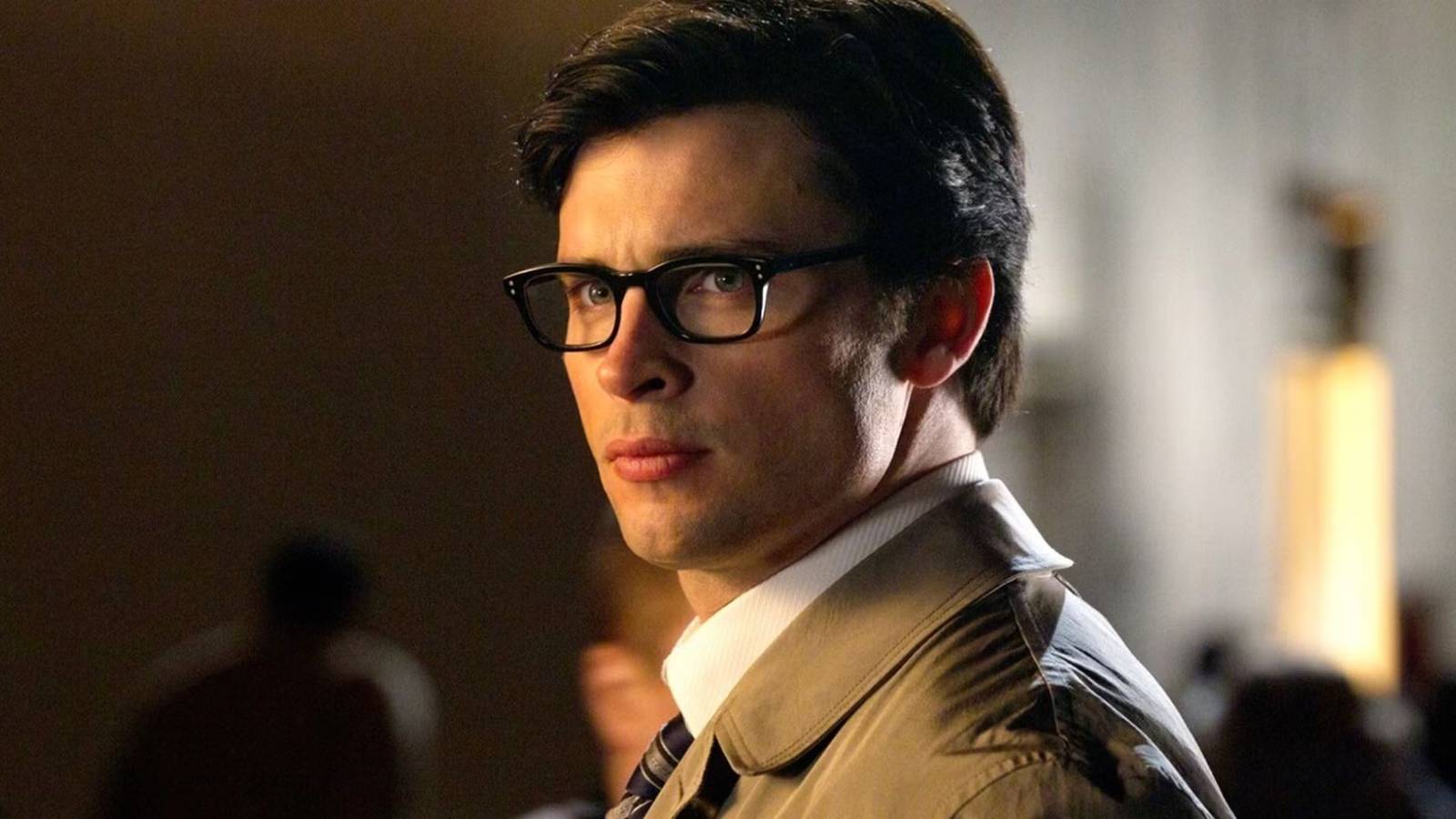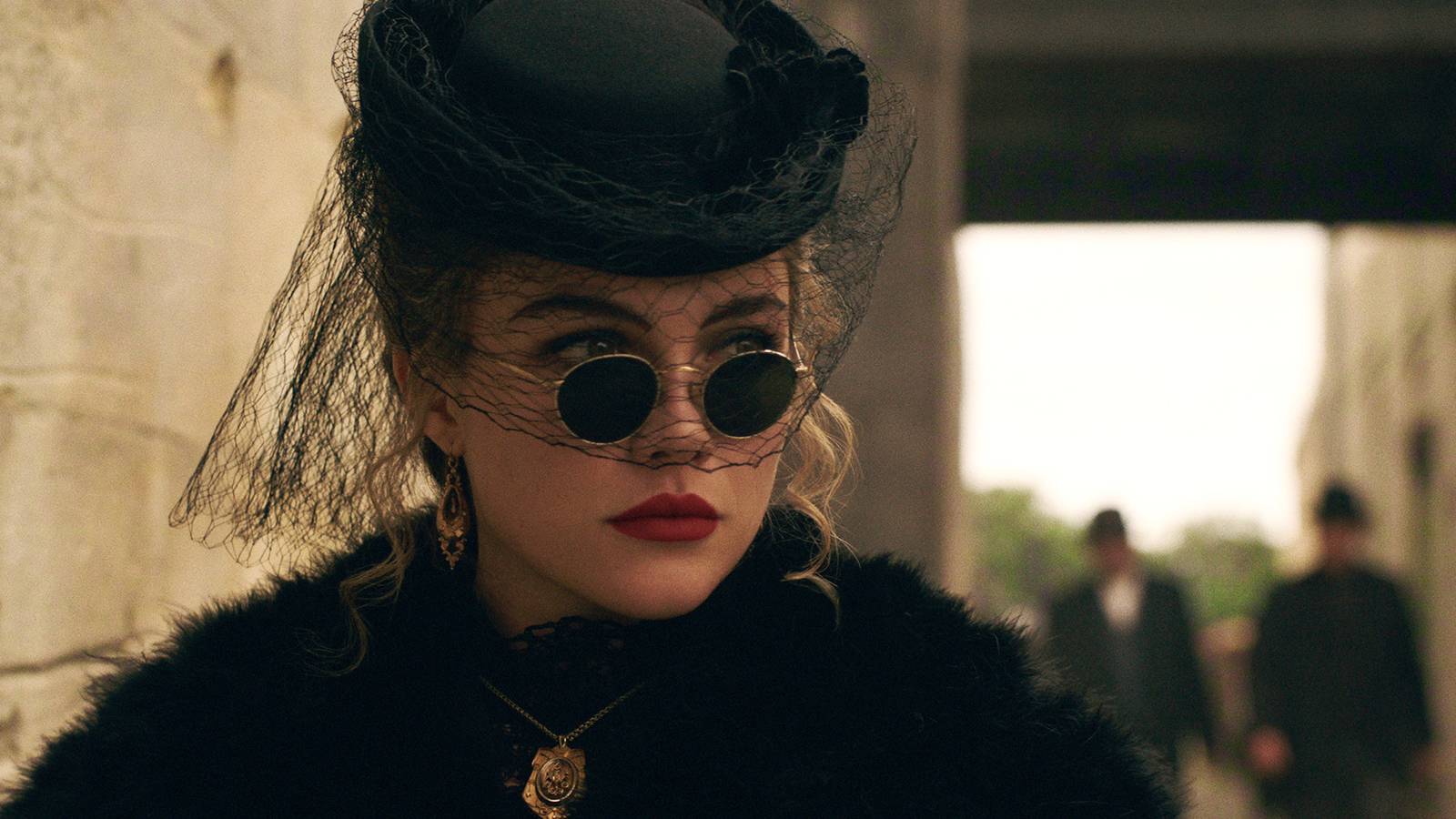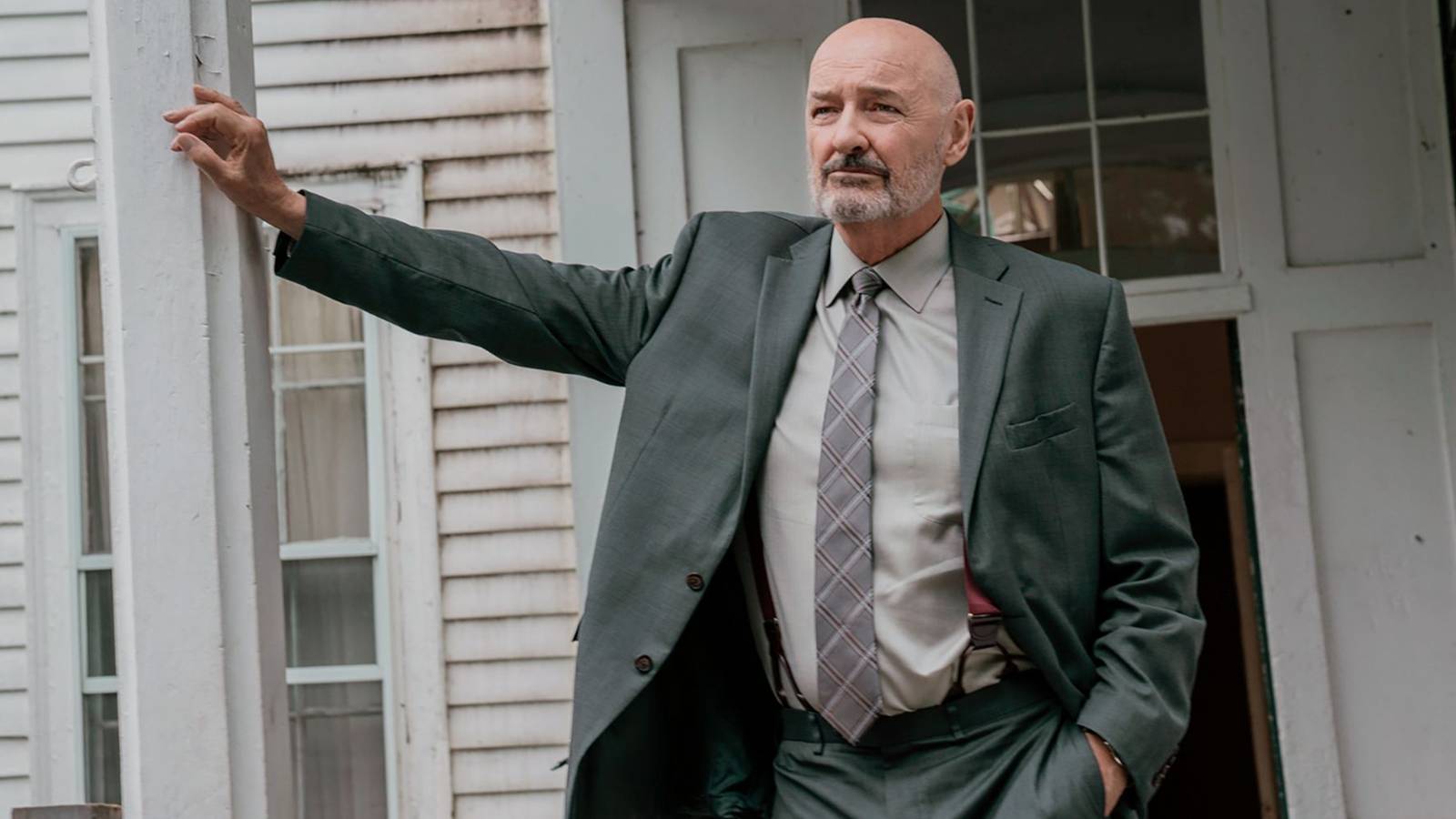
In a landscape overflowing with Stephen King screen projects, from blockbuster films to streaming series, one show managed to do something remarkable. Instead of directly translating a famous novel, Hulu's Castle Rock wove an original tale within the author's iconic fictional Maine universe. Premiering in 2018, this two-season series proved that the most faithful King adaptation isn't about replicating monsters, but about understanding the deep-seated human fears that make his stories resonate.
Why Castle Rock Stands Apart
While many adaptations chase the spectacle of King's creatures, Castle Rock focused on atmosphere and character. It used the shared setting of towns like Derry and the infamous Shawshank State Prison as a backdrop for new, unsettling stories. The series succeeded because it grasped a core King principle: the true horror often lies not in a supernatural threat, but in the emotional baggage and trauma people carry long before anything goes bump in the night. This approach makes it a standout, much like Anya Taylor-Joy's Debut in 'The Witch' Remains a Masterclass in Horror Performance, where psychological tension outweighs cheap scares.
The Town Itself Is the Antagonist
King's genius often lies in making locations feel like living, breathing characters—and not friendly ones. Castle Rock captures this perfectly. From the moment defense attorney Henry Deaver (André Holland) is summoned back to his hometown by a mysterious Shawshank inmate, an aura of dread permeates every scene. The show builds unease through its environment: the oppressive prison, streets haunted by personal history, and homes filled with painful memories. The horror is baked into the very bricks of the town, suggesting a darkness cultivated over decades, a theme familiar to fans of intricate genre storytelling.
This is achieved through masterful restraint. The series doesn't rush to explain its mysteries. Instead, it lets tension simmer in strained conversations and loaded glances. Even the enigmatic character known as The Kid (Bill Skarsgård) serves less as a traditional villain and more as a catalyst, exposing the rot already festering within the community. His presence amplifies the residents' suspicions, grief, and hidden malice, proving that sometimes the most terrifying evil is the kind we nurture ourselves.
Horror Rooted in Human Experience
Castle Rock elevates itself by grounding its terror in palpable emotional trauma. The characters are richly drawn, shaped by their pasts. Henry's return is a confrontation with a childhood shrouded in mystery. Molly Strand (Melanie Lynskey), a realtor with psychic abilities, isn't a plot device; her gift is portrayed as a draining, isolating burden. This focus on psychological realism gives the supernatural elements devastating weight, as the characters filter new horrors through existing layers of guilt, loss, and fear.
This is exemplified in the Season 1 episode "The Queen," a haunting portrait centered on Ruth Deaver (Sissy Spacek). The episode immerses viewers in Ruth's experience with dementia, where time fractures and memories collide with the present. The terror stems from the loss of one's own mind, making trauma an active part of the horror rather than mere backstory. It's a brilliant demonstration of the show's commitment to character-driven fear.
The Power of Unanswered Questions
In an era where audiences often demand every mystery be solved, Castle Rock boldly embraces ambiguity. Like King's best work, it understands that the unknown can be far more disturbing than a neat explanation. The series prioritizes emotional consequences over exhaustive mythology, avoiding the exposition dumps that plague lesser genre shows. The central question shifts from "What is happening?" to "What is this doing to these people?" This allows the story's impact to linger long after the credits roll, leaving a lasting, unsettling impression.
This thoughtful approach to adaptation is a delicate art, as explored in pieces like Crunchyroll's 'In the Clear Moonlit Dusk' Writer Reveals the Art of Anime Adaptation. It's also a reminder that not all adaptations please their original creators, a topic covered in When Authors Revolt: 10 Times Creators Hated Their Own Movie Adaptations.
While it concluded after two seasons, Castle Rock remains a high-water mark for Stephen King television. It didn't just reference his library; it channeled his fundamental philosophy about fear. The series reminds us that the most profound horror shows, much like the perfect weekend binge such as Idris Elba's 'Hijack', are those that understand their characters' deepest vulnerabilities. In the world of Castle Rock, the scariest realization is that the darkness was always there, waiting to be awakened.