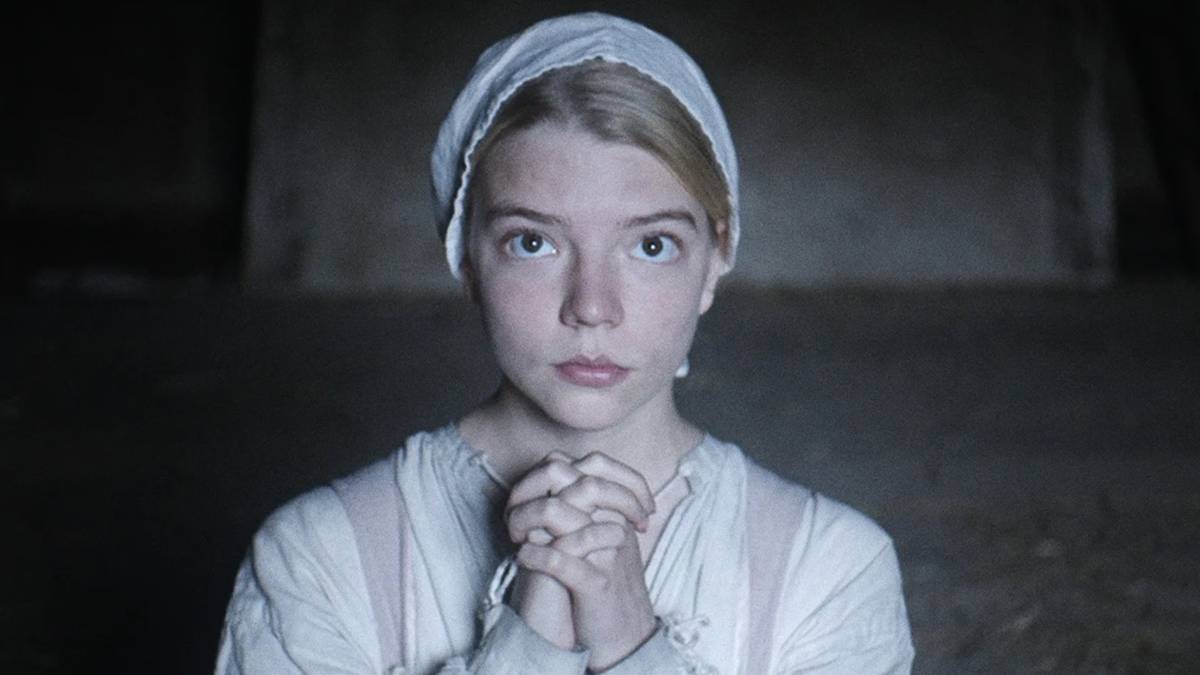
It's been over ten years since a chilling period horror film introduced the world to a formidable new talent. Robert Eggers's The Witch stunned audiences with its oppressive atmosphere and historical dread, but its most enduring legacy is the haunting debut of Anya Taylor-Joy as Thomasin. What could have been a simple genre role became, in her hands, the tragic and compelling heart of a modern classic.
The Emotional Anchor in a World of Dread
What makes Taylor-Joy's performance so remarkable is how she provides the emotional core for a film designed to feel cold and isolating. Thomasin exists in a puritanical family where suspicion is a constant companion, and Taylor-Joy conveys this crushing pressure through subtlety. Her performance is built on restrained reactions—a wary glance, a defensive posture, the quiet despair of realizing her family's trust is forever lost. She portrays not overt rebellion, but a young woman striving to remain virtuous in a community already convinced of her corruption. This nuanced approach amplifies the horror, making the familial breakdown as terrifying as any supernatural threat from the woods.
Grounded Realism Elevates the Supernatural
The Witch distinguishes itself by grounding its characters in palpable reality, a feat largely accomplished by Taylor-Joy's portrayal. She embodies Thomasin not as a horror archetype, but as a relatable teenager buckling under impossible burdens: acting as a surrogate parent, being scrutinized as a source of sin, and facing blame for events beyond her control. Taylor-Joy makes these struggles viscerally real without melodrama. This authenticity makes the family's accusations land with devastating force. The audience witnesses her lose her security, her standing, and ultimately her sense of self, with Taylor-Joy ensuring we feel every heartbreaking step. This character-driven dread proves more lasting than any jump scare.
Looking back, the qualities that would define Taylor-Joy's meteoric rise are all present in this first major role. She possesses that magnetic, quiet screen presence that would later captivate audiences in The Queen's Gambit and The Menu. It's an innate ability to command focus through reaction and subtle expression, a talent that makes her the focal point of any scene she's in.
A Transformation That Still Resonates
The lasting power of Taylor-Joy's performance lies in her full commitment to Thomasin's harrowing journey. The film's conclusion is not played as a simple descent into evil, but as a complex, chilling release from relentless persecution. Taylor-Joy infuses the final moments with a terrifying ambiguity—a mix of liberation, despair, and newfound power. This emotional complexity forces the audience to understand Thomasin's choice even as they recoil from it, elevating the performance from great to truly unforgettable.
Over a decade later, The Witch stands tall as a pillar of elevated horror. Yet, it also serves as a stunning announcement of a star who could not only carry a film but become the very reason it endures in our memory. In an era filled with standout horror, Taylor-Joy's work remains a benchmark. For fans of the genre looking for a truly unsettling experience, classics like 'Scream' offer a different kind of thrill, while upcoming projects like 'Weapons' promise to push new boundaries.
The film's success also highlights the power of a director's distinct vision meeting the perfect performer. Similar cinematic alchemy can be seen in other realms, like the expansive world-building in Taylor Sheridan's Paramount+ empire, or in the confident directorial leaps taken by veterans, as with John Travolta's upcoming debut.
Ultimately, Anya Taylor-Joy's work in The Witch is a masterclass in how a performance can define a film for generations. It's a reminder that the most profound horror often stems not from monsters in the dark, but from the devastating erosion of human connection, portrayed with heartbreaking conviction by a star who arrived fully formed.