Bringing a book to the silver screen is a Hollywood tradition, but it's not always a happy marriage. While some authors celebrate seeing their words transformed, others watch in horror as their vision gets lost in translation. The rift between page and screen can become a public feud, with creators disowning the very films bearing their stories' names.
When Vision Clashes with Adaptation
The journey from a writer's desk to a studio lot is fraught with creative compromise. For every successful adaptation, there's a creator who feels their work was misunderstood, simplified, or outright betrayed. This list explores those notable breakdowns, where legendary authors couldn't stomach what filmmakers did with their brainchildren.
10. 'Tales from Earthsea' (2006)
Ursula K. Le Guin, a titan of speculative fiction, saw her beloved Earthsea series adapted by the prestigious Studio Ghibli. The project was highly anticipated, marking the directorial debut of Gōro Miyazaki, son of the legendary Hayao. The result, however, was a profound disappointment. Le Guin felt the film completely misunderstood the core spirit of her books, crafting a narrative that felt alien to fans of the original series. While some critics panned it as one of anime's low points, Le Guin's critique focused on the fundamental misinterpretation of her themes.
9. 'Charlotte's Web' (1973)
E.B. White's timeless tale of friendship between a pig and a spider became a Hanna-Barbera animated musical. While audiences have nostalgic affection for the film, White himself did not share their sentiment. Despite some involvement in the process, the author labeled the final product "a travesty." He specifically objected to the musical format, believing the songs and showmanship clashed with the quiet, heartfelt tone of his original illustrated novel.
8. 'Rawhead Rex' (1986)
Horror maestro Clive Barker wrote the screenplay for this adaptation of his own short story, but the directing reins went to George Pavlou. The film was a critical and commercial disaster, now remembered as a low point in 1980s horror. Barker believed all the elements for a terrifying film were present in his script, but he blamed the director's execution for the failure. This frustrating experience led Barker to take full creative control for his next adaptation, writing and directing Hellraiser himself.
7. 'I Know What You Did Last Summer' (1997)
Lois Duncan's thoughtful 1973 young adult thriller was transformed into a slick, post-Scream slasher film. For Duncan, the change was not merely artistic but deeply personal. Following the tragic murder of her daughter, the author was horrified to see her novel about guilt and consequence turned into what she saw as a cheap, sensationalist horror movie. Her disdain was compounded by the film's quality, which many agree doesn't even succeed as a good genre entry.
6. 'Willy Wonka & the Chocolate Factory' (1971)
It stands as a beloved classic, but Roald Dahl, the brilliant and curmudgeonly author of the original book, absolutely despised it. Dahl was notoriously critical of most adaptations of his work, but his hatred for this film was particularly intense. He disowned the movie, furious over its musical numbers, its shift in focus from Charlie to Wonka, and its various plot deviations. Dahl, a purist, wanted a film that clung faithfully to his text, a desire that clashed with the creative liberties taken by director Mel Stuart.
This tension between authorial intent and cinematic vision is a recurring theme in Hollywood, much like the challenges faced in adapting Stephen King's epic 'The Stand'. Sometimes, the source material presents hurdles that even talented filmmakers struggle to overcome.
5. 'The NeverEnding Story' (1984)
German author Michael Ende was so appalled by the film adaptation of his fantasy novel that he sought legal action to have his name removed or the film's title changed. He felt the movie drastically simplified and Americanized his metaphysical story, reducing its complex themes to a standard children's adventure. Ende publicly denounced the film, calling it a "gigantic melodrama of kitsch, commerce, plush and plastic."
4. 'The Shining' (1980)
Perhaps the most famous author-director feud in history. Stephen King has been vocally critical of Stanley Kubrick's masterpiece for decades, despite its status as a horror landmark. King felt Kubrick's cold, psychological approach missed the heart of the novel—the emotional disintegration of a family and the supernatural evil of the Overlook Hotel. He criticized Jack Nicholson's performance as being "crazy from the first scene," removing any arc of descent into madness. King's preference for a more faithful adaptation led him to spearhead a 1997 TV miniseries.
King's complex relationship with adaptations continues, as he sometimes champions unexpected projects, like his recent praise for the sci-fi series 'Paradise'.
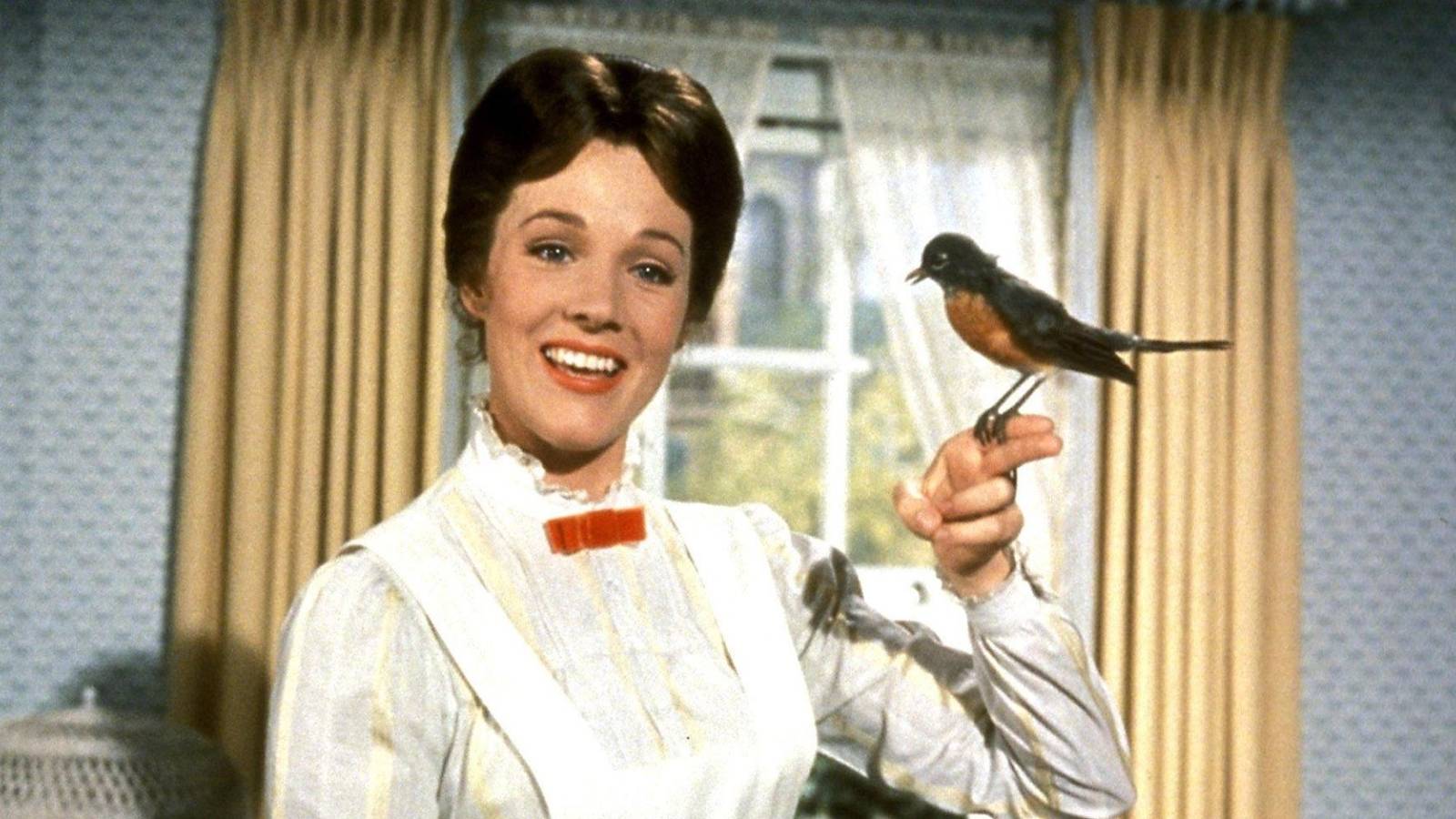
3. 'Mary Poppins' (1964)
P.L. Travers wept at the premiere of Disney's musical extravaganza. She had reluctantly sold the film rights after years of pressure but was deeply unhappy with the sugary, sentimental interpretation of her pragmatic and mysterious nanny. Travers hated the animated sequences, the softening of the Banks parents, and the overall cheerful tone. Her decades-long battle to protect her character's integrity was recently dramatized in Saving Mr. Banks.
2. 'The League of Extraordinary Gentlemen' (2003)
Alan Moore, the revered and notoriously cantankerous comic book writer, has disowned nearly every film adaptation of his work. This 2003 film, based on his graphic novel series, was a particular nadir. Moore criticized it as a generic action movie that eviscerated the subversive literary satire of his source material. The film's poor reception and the negative experience of star Sean Connery reportedly contributed to Connery's retirement from acting.
1. 'The Last Airbender' (2010) & 'Dragonball Evolution' (2009)
While not from a single author, the creators of these iconic animated series were profoundly let down by the live-action Hollywood treatments. Avatar: The Last Airbender co-creators Michael Dante DiMartino and Bryan Konietzko have distanced themselves from M. Night Shyamalan's film, which fans and critics alike panned for its whitewashing, poor acting, and butchered lore. Similarly, Dragon Ball creator Akira Toriyama was so disappointed by Dragonball Evolution that it motivated him to return to the franchise to oversee new, faithful projects to correct its legacy.
These stories serve as a stark reminder that a successful film doesn't always mean a faithful one. For every author who celebrates a cinematic interpretation, there's another mourning the vision that got left on the cutting room floor. It highlights the perennial challenge of adaptation, a topic explored in our feature on Hollywood's most significant adaptation misses.