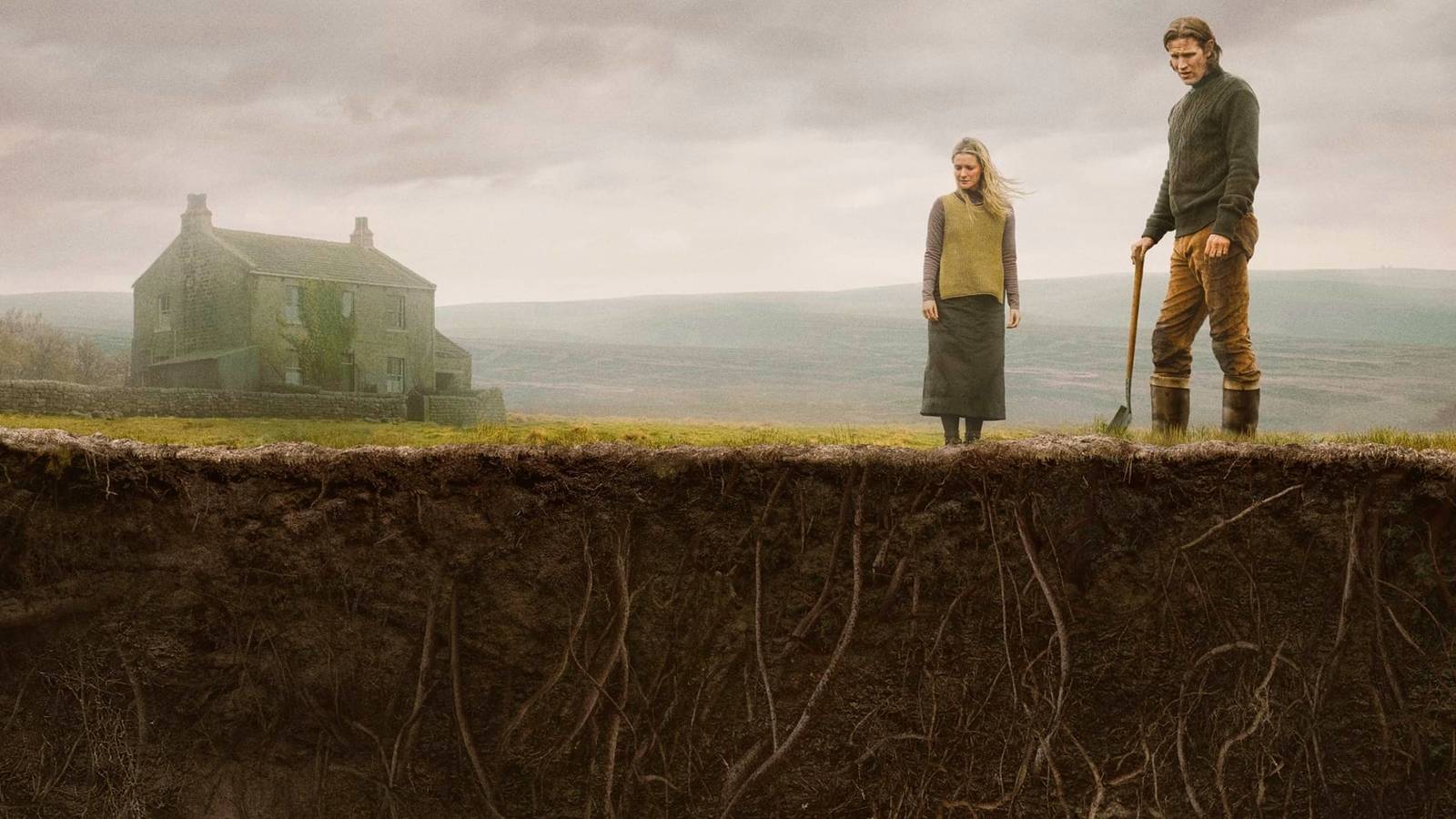
In the realm of folk horror, few films have managed to capture the genre's essence as potently as Starve Acre. Set in the 1970s, this British gem has been quietly terrifying audiences on Shudder, and it's time to recognize it as one of the decade's finest. While comparisons to classics like The Wicker Man and Don't Look Now are inevitable, Starve Acre distinguishes itself by making dread its central character, forcing viewers to sit in unease rather than offering the thrill of unraveling mysteries.
Director Daniel Kokotajlo masterfully uses the Yorkshire landscape to create an atmosphere of oppressive beauty. The slow, deliberate camerawork and still shots of the countryside amplify the sense of foreboding that permeates every frame. This is not a film that winks at its audience; it plunges straight into tragedy and maintains a disturbing ambiance throughout.
A Family Haunted by the Past
The story follows Richard (Matt Smith) and Juliette (Morfydd Clark), who move to Richard's childhood home in rural Yorkshire hoping the fresh air will help their son Owen's severe asthma. But two years later, Owen's behavior has worsened, culminating in a shocking act of violence against a horse. When Owen begins talking about an imaginary friend named Jack Grey, Richard is deeply unsettled—the name is from his own childhood, featured in a poem written by his father.
As tragedy strikes the family, grief becomes a central force, and Richard's work as an archaeologist becomes a conduit for exploring his own traumatic past. The film weaves symbolism throughout, from hidden bones to a menacing hare, each element representing Richard's childhood abuse and the superstitions his cruel father used to justify it.
Symbolism That Cuts Deep
Unlike other modern folk horrors that present their symbols with a knowing nod, Starve Acre makes its imagery deeply unsettling. The cut-down oak tree on the property, which Owen is inexplicably drawn to, serves as a powerful trigger for Richard. It was a meeting place for his father and his friends, a painful reminder of a community that failed to protect him.
The film cleverly turns Richard's profession against him, making his rational, academic approach to archaeology a liability that prevents him from confronting his emotional wounds. Meanwhile, Juliette, desperate for relief, turns to a medium, creating a contrast between professional detachment and spiritual need that moves both characters closer to folk tragedy.
Performances That Haunt
Matt Smith delivers a quietly powerful performance as Richard, his stubborn resistance slowly crumbling as memories of his father's pagan beliefs and cruelty surface. Morfydd Clark is equally compelling as Juliette, making her breakdown painfully watchable, reminiscent of iconic horror performances like Sissy Spacek in Carrie or Mia Farrow in Rosemary's Baby.
The moments of comfort between Richard and Juliette are few and calculated, highlighting how their disjointed exploration of the mystery might have offered a way out if they had stayed together. Starve Acre ultimately makes folk horror deeply human, exploring how individuals can justify cruelty and how the past never truly stays buried.
For fans of unsettling horror and exceptional acting, Starve Acre is a must-watch. It's a film that rewards patience and lingers long after the credits roll, solidifying its place as the best folk horror of the decade.