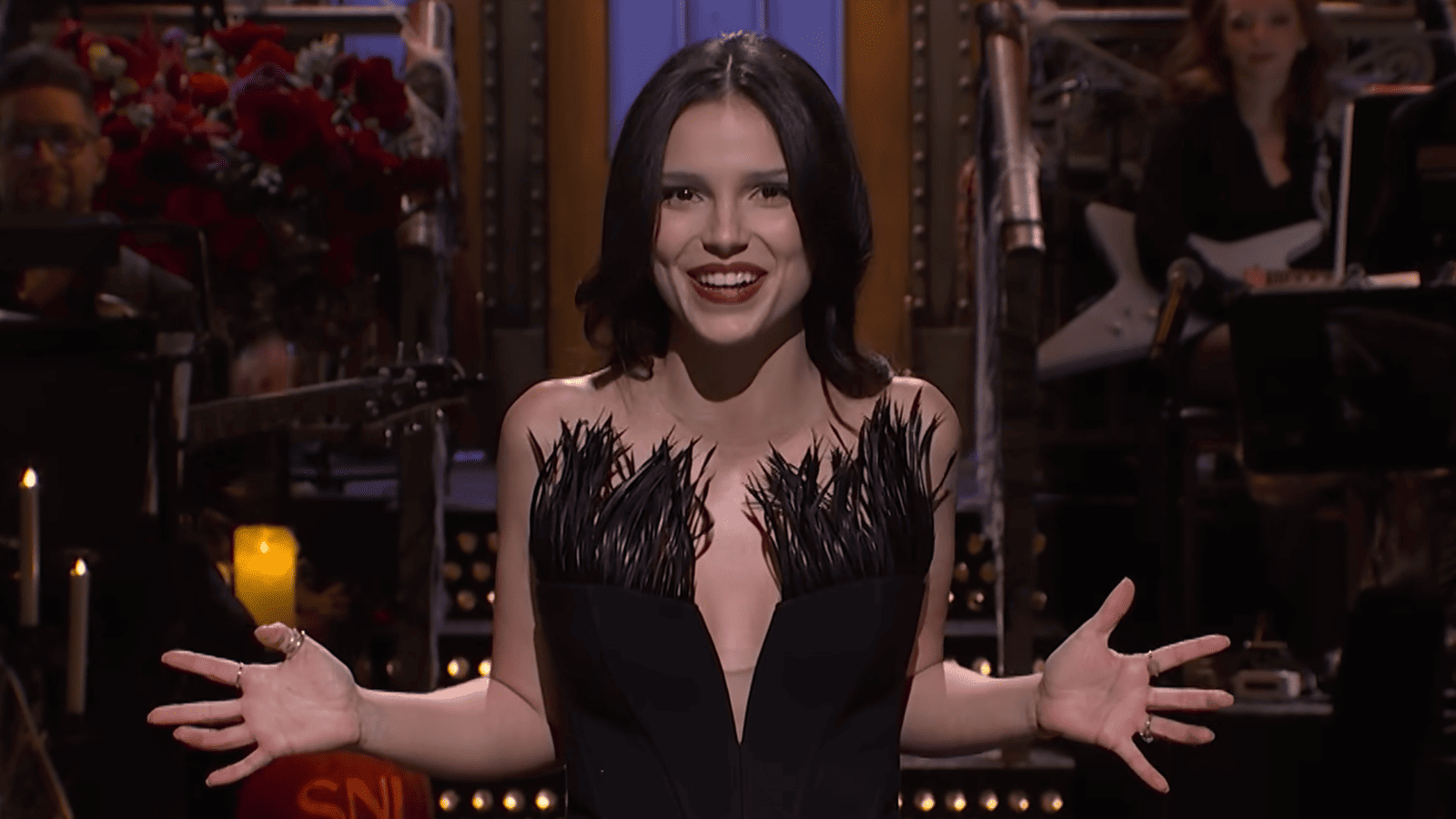
Inde Navarrette's hosting debut on Saturday Night Live was a triumph, but it also exposed an uncomfortable truth about the show's handling of controversy. During her monologue, Navarrette delivered a pointed jab at Shane Gillis's recent comments about women at the gym, saying she puts on her "little whore outfit" before working out. The audience roared, and the joke landed perfectly—but it also begged a question: why was a guest host the one to address a controversy that SNL itself had aired?
The Halloween episode gave Navarrette plenty to showcase her comedic range, from a ghost to a game-show contestant to a telenovela star. Her Gillis joke was a highlight, but it shouldn't overshadow her overall performance—or become the show's de facto response to a problem it created.
Navarrette's Joke Was Perfect, But It Wasn't Her Job
During his October 10 monologue, Gillis called women at the gym "whores" for their attire, then complained that men were expected not to stare. The joke was degrading and misogynistic, and actor Dan Levy immediately called it out, saying women's clothes don't make them "whores." Navarrette's response was sharp and witty, flipping Gillis's language back at him without needing to explain the entire controversy. It was a clever callback that reminded viewers of the original ugliness.
But here's the thing: Navarrette is a 25-year-old guest host making her debut. She had nothing to do with Gillis's monologue and owed the show no cleanup. Her joke was her choice, and she delivered it with confidence, but that doesn't shift responsibility from SNL to her.
Why Didn't SNL's Own Voices Speak Up?
SNL had plenty of opportunities to address Gillis's remarks in its own voice. Cast members could have tackled it in a sketch, or Colin Jost and Michael Che could have taken it on during Weekend Update, which is built for such commentary. Instead, the clearest response came weeks later from a guest host. This leaves the show at a distance from the controversy it helped create—broadcasting Gillis's remarks but letting someone else answer for them.
Levy's criticism at the time raised a valid point: why are women often expected to challenge misogynistic remarks while men stay quiet? That applies to the men working on SNL too. Male cast members, writers, and anchors could have spoken up, but they didn't. The show's own platform could have made the point without outsourcing it to a newcomer.
SNL's Reluctance to Own Difficult Material
This isn't the first time SNL has seemed hesitant to put its regular voices front and center on uncomfortable topics. The contrast with SNL UK's handling of Gillis's comments and political material is striking. Even during Navarrette's episode, Weekend Update undercut its own edge. When Che attempted to engage with an uncomfortable joke about Israel and Palestine, his delivery faltered, and the moment lost its punch. If the show wants its regular voices to own difficult material, they need to sell it—and the framing has to let the joke land.
Not every controversial joke needs a formal rebuttal, and a sketch show shouldn't issue a statement every time a host provokes a response. Comedy needs room to take risks. But there's a difference between making space for comedy and acting as though nobody owns the choice to air a joke. Gillis's remarks weren't an accidental slip; they were prepared material that made it through the show's approval process.
Navarrette's joke was brilliant, and she deserves credit for making it. But SNL shouldn't need a guest host to say what its own stars could have said. Her willingness to address Gillis's remarks doesn't make her responsible for cleaning up after them, nor does it let the show off the hook. SNL should have taken ownership through its regular voices and made clear it understood why the monologue drew criticism.
As SNL continues to navigate its place in the cultural conversation, it might look to other Halloween offerings for inspiration on how to handle tricky material. But ultimately, the show needs to step up and own its choices—not leave the heavy lifting to guest hosts.