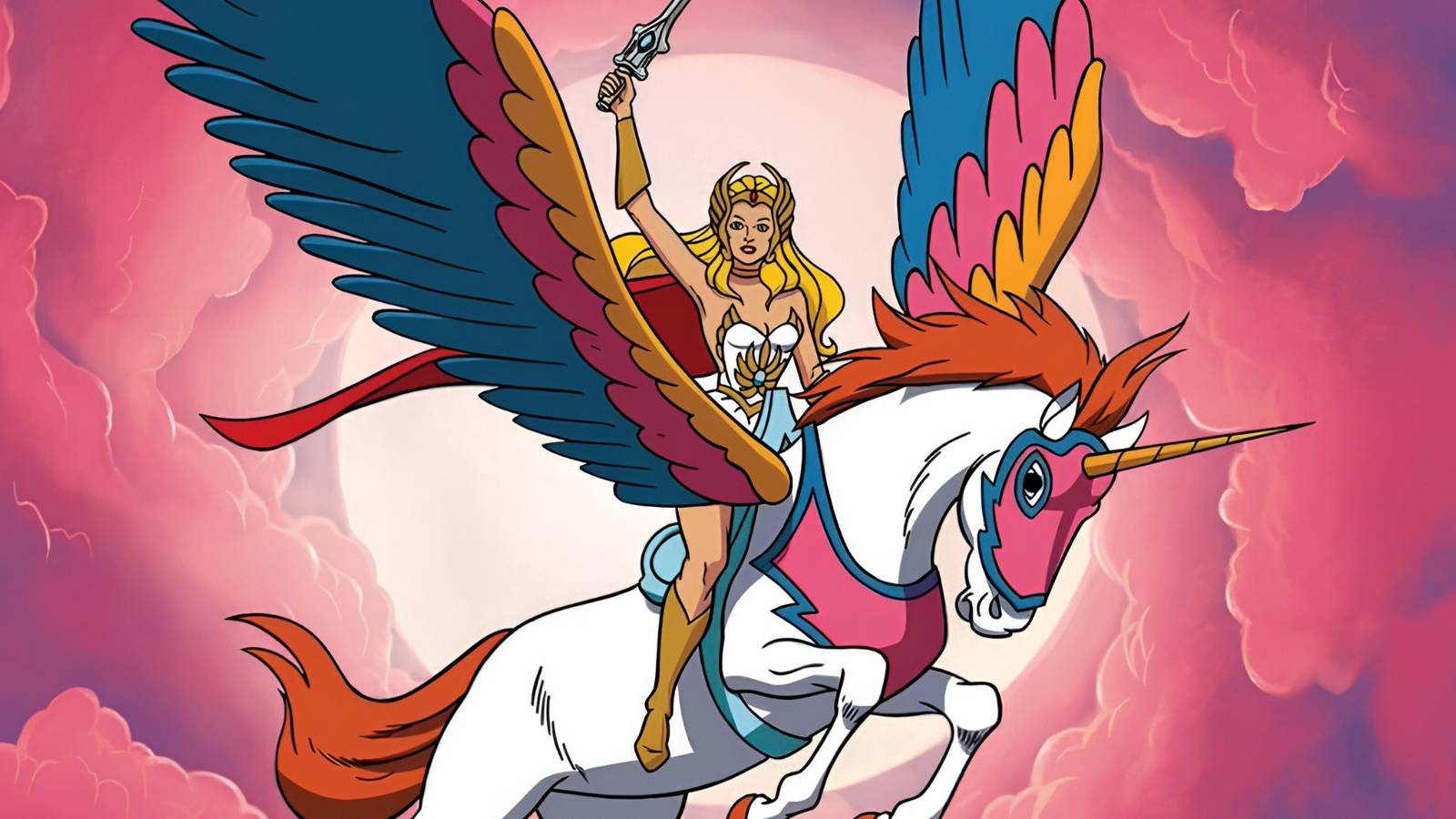
In a world where streaming platforms are constantly unearthing hidden gems from decades past, one classic series is making a remarkable comeback. She-Ra: Princess of Power, the 1985 animated spin-off of He-Man and the Masters of the Universe, has climbed the Apple TV charts, finding a fresh audience 41 years after its original Saturday morning debut. It's a testament to the show's enduring appeal and its forward-thinking portrayal of a female hero.
Unlike many toy-based cartoons of the era, She-Ra: Princess of Power was actually developed as a series first. Filmation and Mattel collaborated to create the show, with Mattel funding production before releasing the accompanying toy line. Writers Larry DiTillio and J. Michael Straczynski crafted the initial characters, including the titular heroine, her alter-ego Princess Adora, and the villainous Hordak. The result was a show that stood out in a landscape dominated by male-led adventures.
The series is set on the planet Etheria, where Princess Adora (voiced by Melendy Britt) was kidnapped at birth by the evil Hordak. Raised by the sinister Shadow Weaver (Linda Gary), Adora grows up believing the Horde maintains peace. That all changes when she encounters her long-lost brother, He-Man (John Erwin), who has been sent by the Sorceress to find the one destined to wield the Sword of Protection. When Adora touches the sword's jewel, the Sorceress reveals the truth: her kidnapping, Hordak's atrocities, and that He-Man is her brother, Adam. By declaring, "For the Honor of Grayskull!" Adora transforms into She-Ra, a powerful warrior who leads the Great Rebellion against the Horde.
What sets She-Ra: Princess of Power apart from its predecessor is its tone and thematic depth. The show leans into a more fantastical, magical setting, with characters like the absent-minded Madame Razz and the whimsical Kowl, a flying creature that looks like a cross between a koala and an owl. But it also tackles mature themes, such as Adora's journey of guilt and redemption—a struggle that would later be echoed in live-action series like Xena: Warrior Princess.
The difference between She-Ra and He-Man is perhaps best summed up by their respective transformation phrases. He-Man declares, "I have the Power," using his sword primarily as a weapon. She-Ra, on the other hand, wields the Sword of Protection, which can transform into shields, nets, or helmets to defend others. Her purpose is never seen as lesser; she is He-Man's equal, a strong, heroic protagonist in her own right. This groundbreaking approach to female representation was ahead of its time, especially in an era when the most prominent female character on Saturday mornings was Smurfette.
1985 also saw the premiere of Jem and the Holograms, making it a landmark year for female-led animation. Today, with representation on television better than ever, She-Ra: Princess of Power feels both nostalgic and refreshingly relevant. Its clear moral compass, clever blend of sci-fi and fantasy, and diverse cast of characters continue to resonate. For fans of forgotten fantasy gems, this series is a must-watch.
The show's resurgence on Apple TV is a reminder that great storytelling transcends generations. Whether you're revisiting Etheria or discovering it for the first time, She-Ra: Princess of Power offers a compelling mix of action, magic, and heart. It's no wonder this classic is finding a new audience—and climbing the charts—four decades after its debut.