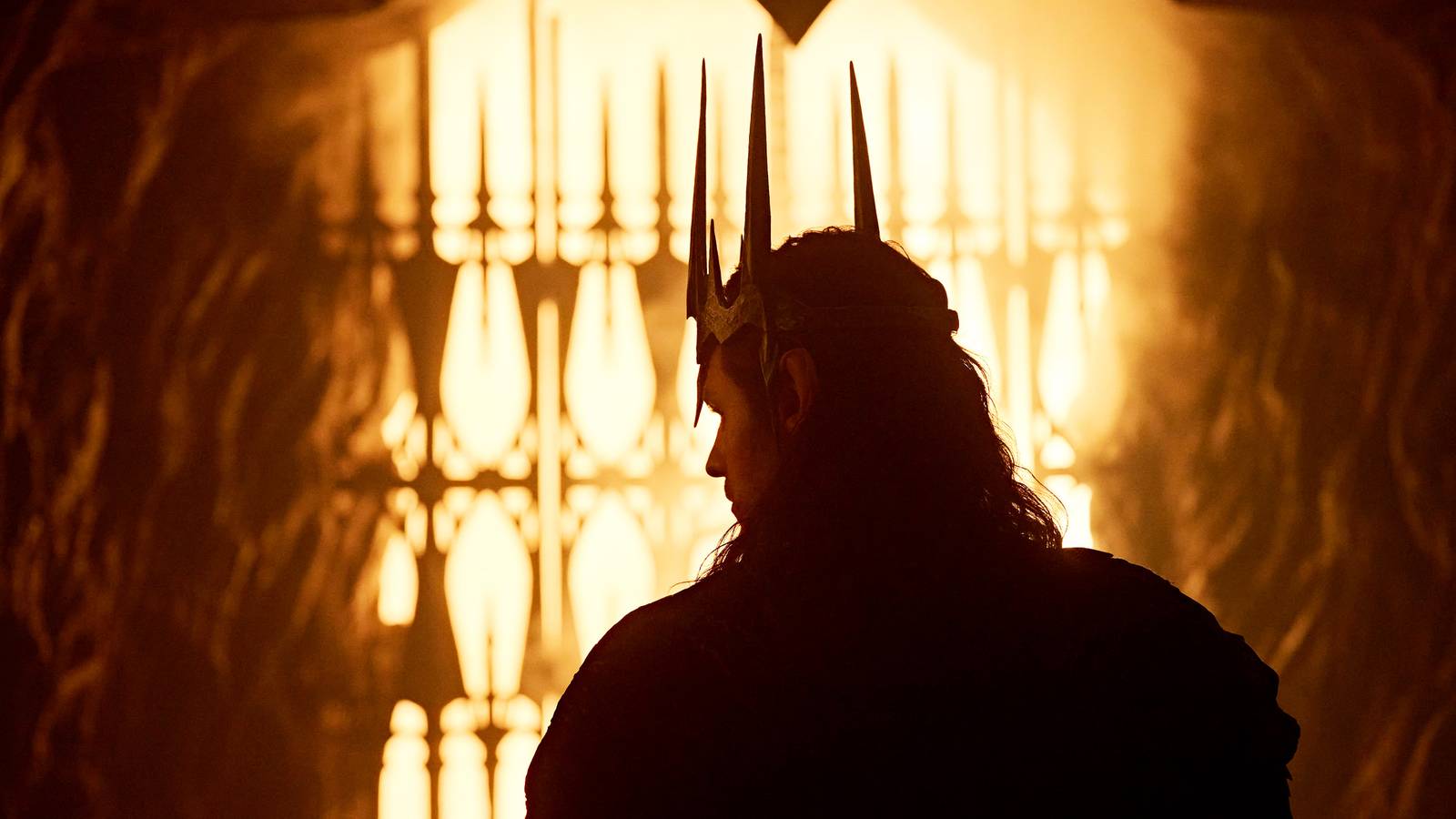
With the final two episodes of The Lord of the Rings: The Rings of Power Season 3 now available—and Episode 7 having earned a theatrical release—fans are buzzing about one of Middle-earth's most pivotal moments: Sauron's forging of the One Ring. The sequence, which closes the episode, forces the Elves to remove their own rings as the Dark Lord's deception becomes painfully clear.
Director Stefan Schwartz, known for his work on Dexter and The Americans, joined the series for Season 3 and faced the monumental task of visualizing a scene never before depicted on screen. In a recent interview, he opened up about the pressure and the creative choices that shaped the iconic moment.
A Terrifying Responsibility
Schwartz admitted that bringing the One Ring's creation to life was a daunting challenge. "It's a terrifying responsibility," he said, noting that the only visual reference is an Alan Lee sketch. "It drives Bilbo and Frodo thousands of years later." To honor Tolkien's lore, he focused on three key elements: music, sacrifice, and Mount Doom itself.
Tolkien originally conceived Middle-earth as a piece of music, with the Ring representing a dark addition to that harmony. Schwartz wanted that musicality to be felt in the scene. He also emphasized that Sauron had to give something of himself—a sacrifice—to forge the Ring. And Mount Doom wasn't just a backdrop; it was a character that responded to Sauron's presence.
The Mountain Responds
Schwartz explained that the scene begins with Sauron's arrogance, only for the mountain to reject him violently. "The second time, he comes in with humility," he said. This narrative arc was crucial to making the Ring feel earned. "If you just create the Ring and two seconds later, there it is, it feels like it's not the One Ring," he added. "It needs complexity and depth."
To achieve that depth, Schwartz incorporated the concept of cymatics—the study of visible sound vibrations. "The Ring isn't just created by hammering; it's created by the mountain as well," he revealed. The production used sketches, animatics, and a detailed storyboard to map out every beat, from the offering of the hammer to the superheated lava drops.
A Week-Long Shoot
The actual filming took a week, with Charlie Vickers as the sole actor on set. Schwartz described the experience of directing Vickers through the physically demanding sequence, shouting directions about imaginary lava flows and heavy props. "He gives his life to the Ring, and the Ring brings his life back," Schwartz said, highlighting the sacrificial theme.
Schwartz also shared his excitement about the theatrical release, having watched the episode in a packed cinema the night before. "There was cheering at the end," he said, and he enjoyed hearing fans' reactions afterward. "They got a lot of what I was hoping they would get from that Ring moment."
For those who haven't seen it yet, the episode is now streaming on Prime Video, and the season finale is also available. If you're hungry for more Middle-earth, check out our thoughts on what's next after that cliffhanger. And if you're in the mood for other epic fantasy, we've rounded up eight sagas with worldbuilding to rival Tolkien.