Doctor Who fans have been through a rollercoaster lately. The much-hyped Disney partnership fizzled out after Ncuti Gatwa's controversial regeneration, and the BBC is now scrambling for a new production partner. With no Christmas special on the horizon for 2026, the show's future feels uncertain. But amidst all this turmoil, it's worth remembering that Doctor Who has delivered some truly transcendent television—and one episode, in particular, stands above the rest.
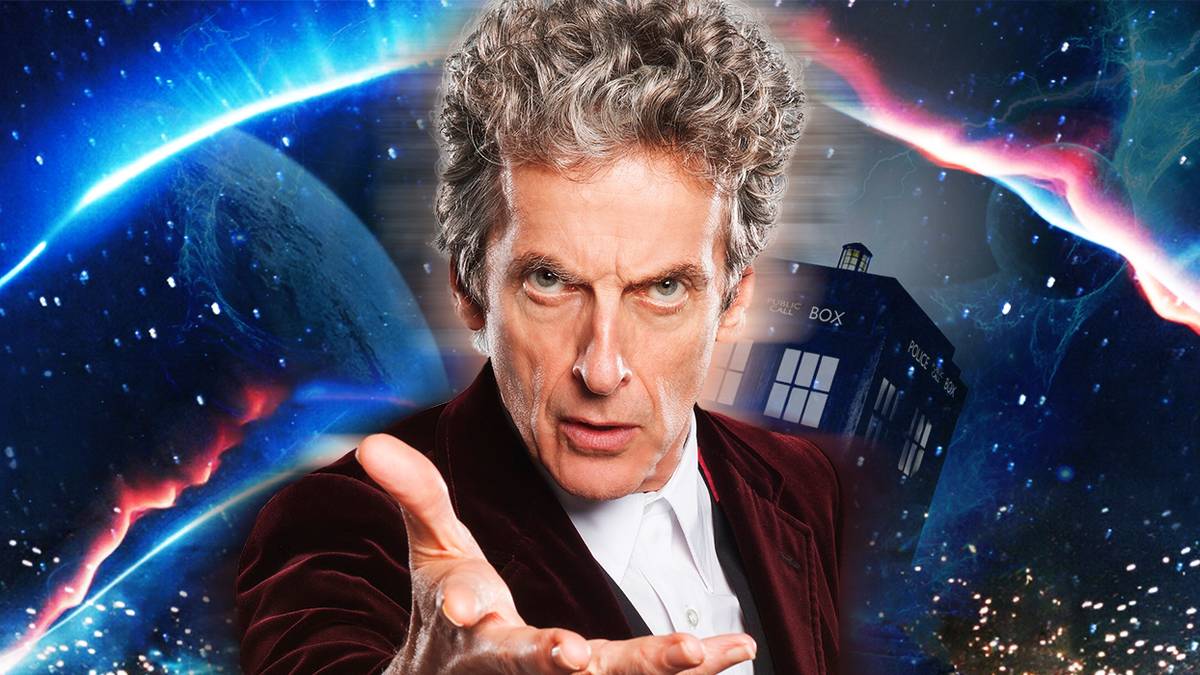
That episode is "Heaven Sent," the ninth season's centerpiece, starring Peter Capaldi as the Twelfth Doctor. Written by Steven Moffat and directed by Rachel Talalay, it's a tour de force of storytelling that has only grown in stature over the years. It's the kind of episode that reminds you why you fell in love with the show in the first place.

A Grief-Fueled Puzzle
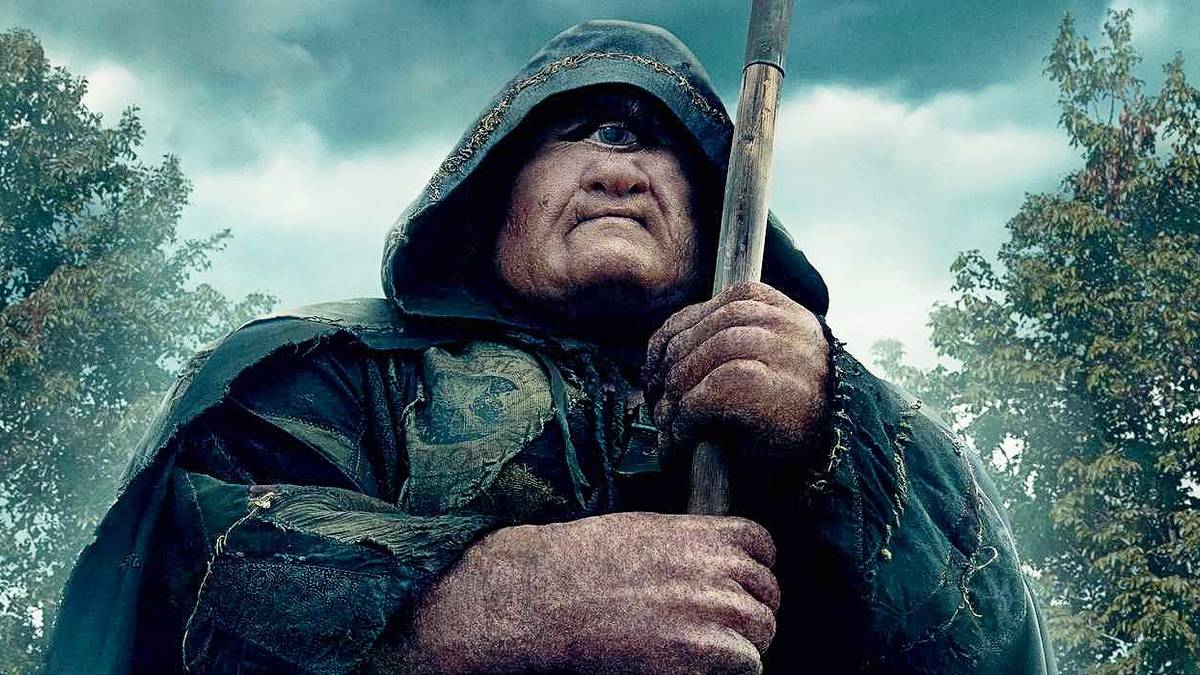
The episode picks up immediately after the shocking death of Clara Oswald (Jenna Coleman) in "Face the Raven." The Doctor, trapped inside his own confession dial, must navigate a nightmarish castle while being pursued by a shrouded creature known as the Veil. It's a bottle episode in the truest sense—one man, one location, and an impossible puzzle.
But "Heaven Sent" is so much more than a clever sci-fi mystery. It's a profound meditation on grief. The Doctor isn't just fighting a monster; he's battling the crushing weight of loss. The Veil forces him to confront his deepest memories, and every step forward is a step through his own pain. It's a raw, emotional journey that resonates with anyone who has ever lost someone they loved.
Capaldi's Career-Defining Performance
Peter Capaldi delivers what is arguably the finest performance of his Doctor Who tenure. For nearly an hour, he's the only character on screen, delivering a dense script filled with technical jargon and philosophical musings. It's a demanding role, but Capaldi makes it look effortless, balancing the Doctor's trademark wit with a devastating vulnerability. His final monologue, set to Murray Gold's stirring "The Shepherd's Boy," is a moment of pure television magic.
The episode also showcases some of the best visual storytelling the series has ever produced. Director Rachel Talalay creates a haunting, claustrophobic atmosphere that perfectly complements the script's emotional weight. Every frame is meticulously crafted, from the eerie corridors of the confession dial to the jaw-dropping reveal of the Doctor's billions-of-years-long struggle.
Why It Still Matters
"Heaven Sent" is a reminder of what Doctor Who can achieve when it takes risks. It's a story that trusts its audience, blending high-concept science fiction with universal human emotion. In a landscape where the show's future is uncertain, this episode stands as a testament to its enduring power. Whether you're a longtime fan or a newcomer, it's essential viewing—a masterpiece that proves Doctor Who is far from done.
For more on the show's legacy, check out our look at a potential big-screen return. And if you're in the mood for more sci-fi brilliance, our list of sci-fi masterpieces with standout characters is a great place to start.