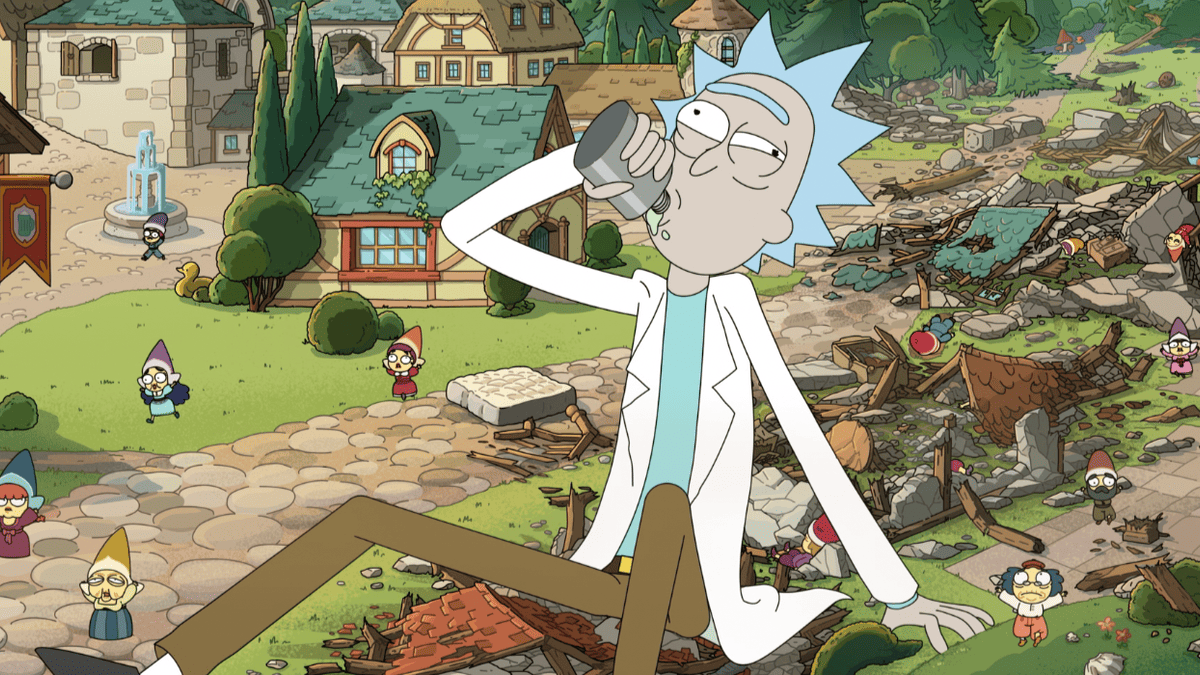
Every time Rick and Morty returns, fans expect a chaotic mix of absurd adventures, nihilistic humor, and the occasional heartfelt moment. Season 9, however, tries something different: a season-long exploration of Rick Sanchez's mental health. While the show has always hinted at his inner turmoil, this season makes it the central thread, weaving every episode back to his self-loathing, alcoholism, and unresolved trauma. The result is a more cohesive season than ever before, but one that often feels repetitive and neglects the supporting cast.
A New Thematic Structure
Unlike previous seasons, where standalone episodes were the norm, Season 9 ties each adventure to Rick's psychological state. From a disastrous vacation to a chaotic kung fu demonstration, every story somehow circles back to Rick's coping mechanisms and contradictions. This interconnectivity is a bold move for a show known for its escapist randomness, but it doesn't always land. While some episodes cleverly dissect Rick's flaws, others feel like retreads of familiar territory, especially in Episode 6, which leans too heavily on absurdity without adding new insight.

Supporting Characters Take a Backseat
The biggest casualty of this thematic focus is the supporting cast. Morty, once a co-lead, spends most of the season as Rick's sidekick, cleaning up his messes rather than driving his own story. Summer is reduced to a prop in Rick's narrative, and Beth—who played a pivotal role in Season 8—is barely present. Jerry remains the reliable punchline, but even his jokes feel recycled. This is a disappointing shift, especially after the Season 8 finale set up Beth's potential involvement in Rick's fallout. Instead, the family feels like an afterthought, their arcs sacrificed for Rick's introspection.
Still a Fun Ride
Despite its flaws, Season 9 is still a solid entry in the series. The standalone episodes are creative, hilarious, and packed with the sharp writing fans expect. Standouts include a slower-paced snowy forest adventure and a journey through the dawn of evolution, which break up the season's momentum perfectly. The show's signature blend of intellect and absurdity remains intact, with plot twists that genuinely impact the series. For fans who enjoy Rick and Morty's brand of nihilistic escapism, there's plenty to love here.
However, the season's experiment in thematic cohesion feels like a mixed bag. It's admirable that the show tries to delve deeper into Rick's psyche, but it often sacrifices the ensemble dynamic that made the series great. If you're looking for a more character-driven story, you might find yourself missing the balance of earlier seasons. For a show that once thrived on unpredictability, Season 9's focus on Rick's mental health feels both overdue and oddly limiting.
Ultimately, Rick and Morty Season 9 is a fun, if uneven, ride. It's worth watching for the standout episodes and the continued evolution of its central character, but don't expect the supporting cast to get their due. For more on how other shows handle character arcs, check out our analysis of The Boys Finale: How Black Noir's Fate Changed the Meaning of the Series or explore 80 Years of Cinema: The Masterpieces That Defined Movie History.