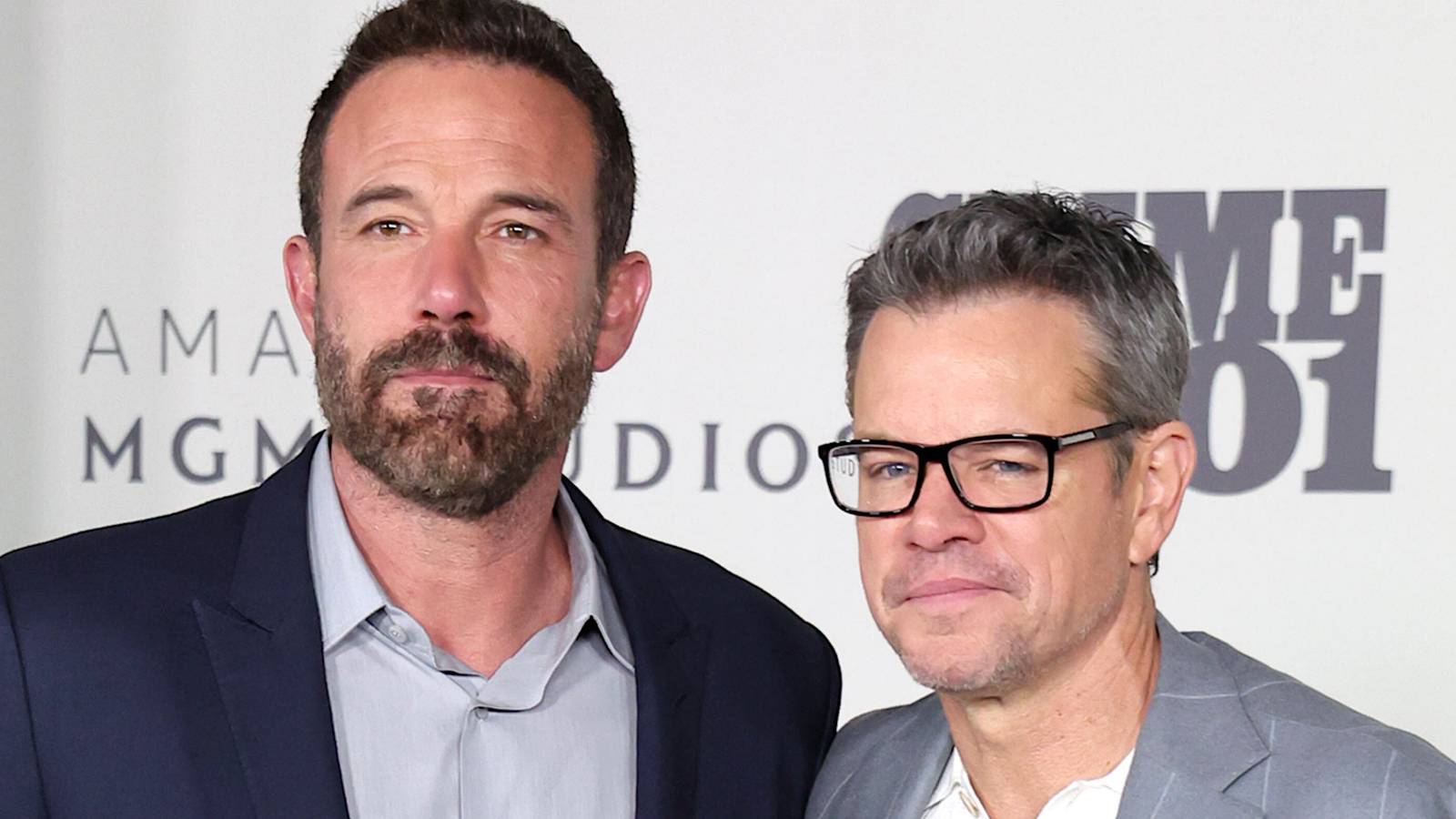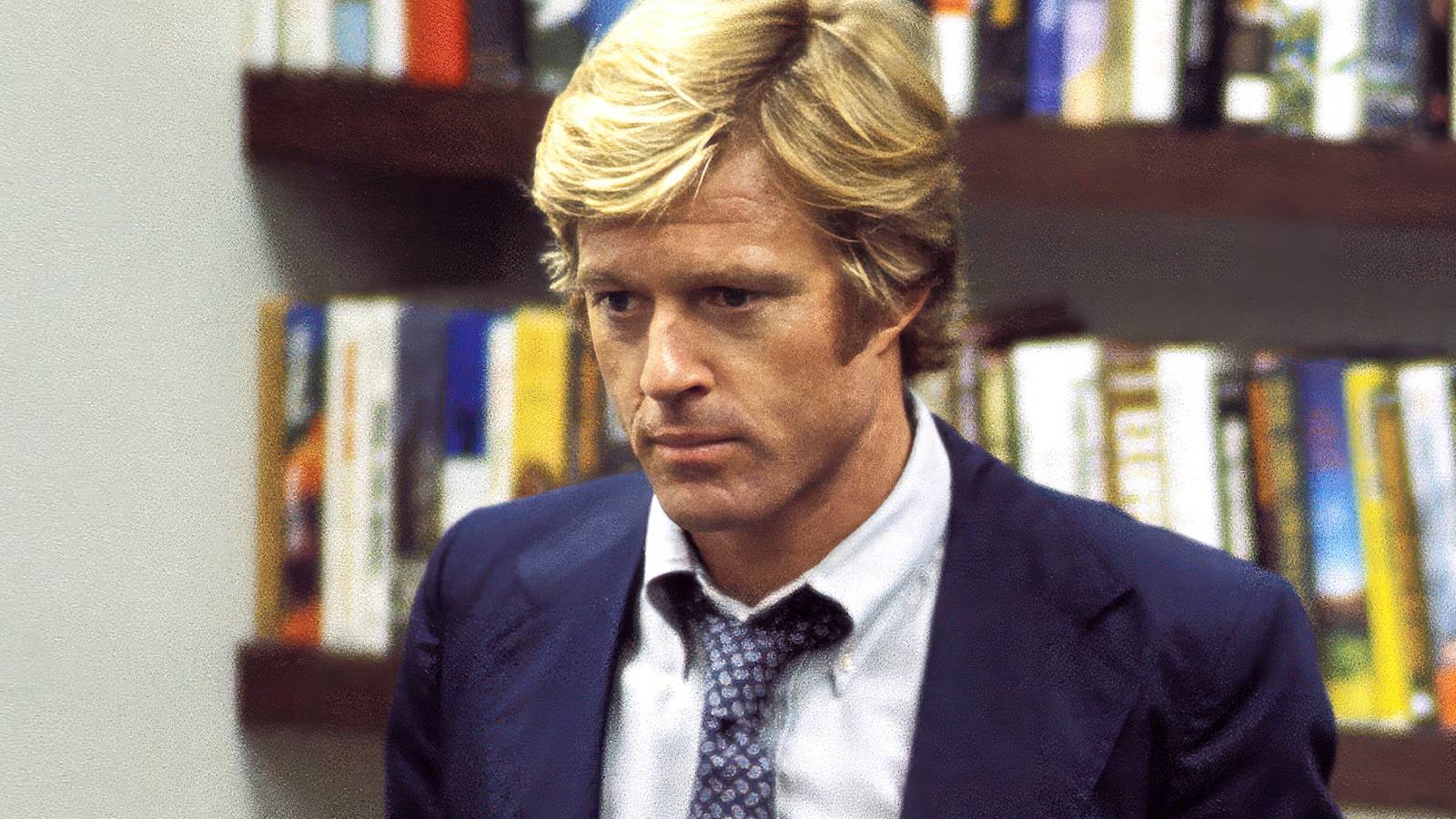
This year marks a major milestone for one of cinema's most significant political dramas. The 50th anniversary of All the President's Men arrives not just as a celebration of a classic film, but as a stark reminder of the enduring power of a free press. Starring Robert Redford and Dustin Hoffman as real-life Washington Post reporters Bob Woodward and Carl Bernstein, the film chronicles the dogged investigation that unraveled the Watergate scandal and led to President Richard Nixon's resignation.
The Story That Shook a Nation
The film begins with what seemed like a minor burglary at the Democratic National Committee headquarters in the Watergate complex. What unfolds is a masterclass in suspenseful storytelling, as Woodward and Bernstein piece together a conspiracy that reaches the highest office in the land. Director Alan J. Pakula and screenwriter William Goldman crafted a thriller not from car chases or shootouts, but from the relentless pursuit of truth—phone calls, dead ends, source meetings, and the clatter of typewriters in a bustling newsroom.

For over two hours, the audience is immersed in the meticulous, often frustrating work of journalism. The film's genius lies in making the process of reporting—the waiting, the verifying, the ethical dilemmas—utterly gripping. It’s a testament to the craft of filmmaking that a movie about people talking in offices and libraries can hold such immense tension. This approach makes it a standout among psychological thrillers with flawless screenplays, proving that the greatest stakes are often found in words and facts.
A Legacy of Accolades and Influence
Upon its 1976 release, All the President's Men was both a critical darling and a box office success, earning over $70 million and securing eight Academy Award nominations. It took home four Oscars, including Best Supporting Actor for Jason Robards as Post editor Ben Bradlee and Best Adapted Screenplay for William Goldman. The film’s authenticity, from its replication of the Post newsroom to the nuanced performances of its entire cast, set a new standard for fact-based drama.
Redford and Hoffman deliver career-defining work, embodying the determination and occasional desperation of the reporters. They are supported by a powerhouse ensemble including Hal Holbrook as the mysterious Deep Throat and Jane Alexander as a reluctant bookkeeper. The film’s influence echoes through decades of politically charged cinema, inspiring a lineage of gripping narratives much like the top crime thrillers that defined later eras.
Why It Resonates More Strongly Today
Fifty years later, All the President's Men has evolved from a recent historical document into a poignant period piece and a urgent manifesto. It captures a specific moment in American journalism—one driven by institutional support, painstaking verification, and a shared commitment to holding power accountable. Watching it in 2026, the film feels both nostalgic and radically prescient.
In an age of fragmented media, corporate consolidation, and algorithm-driven news cycles, the movie’s portrayal of principled, persistent reporting serves as a powerful counterpoint. It argues that the core function of the press—to seek truth without fear or favor—is not a relic, but a necessity. The film’s tension doesn’t just come from whether the story will be published, but from the unwavering belief that the story must be told, a quality it shares with modern gems found in our guide to 2026's must-watch miniseries and thrillers.
The legacy of Robert Redford, who left us in 2025, is filled with iconic roles, but his dedication to bringing this story to the screen may be his most lasting contribution. All the President's Men is more than a near-perfect thriller; it is a cultural landmark. It reminds us that democracy is fragile and that vigilance, in life and in art, is a perpetual requirement. In a world saturated with information, the film’s clarion call for integrity, courage, and facts is not a history lesson—it’s a guidepost for the future, standing tall among the unforgettable thrillers that continue to define cinema.