When Christopher Nolan set out to reinvent Batman for the big screen, he didn't just deliver a superhero series—he crafted a landmark trilogy that permanently altered the landscape of blockbuster filmmaking. Each installment, from the gritty origin to the explosive finale, operates as a self-contained masterpiece of modern cinema. Yet, even among such consistent excellence, a definitive ranking emerges when examining their narrative precision, cultural impact, and sheer cinematic power.
3. The Dark Knight Rises (2012)
Concluding an epic saga is no easy feat, and The Dark Knight Rises shoulders that immense burden. Set eight years after the events of its predecessor, the film finds Bruce Wayne (Christian Bale) broken and retired, while Gotham City enjoys a fragile peace built on a lie. The arrival of the physically imposing terrorist Bane (Tom Hardy) forces Batman out of exile for a final confrontation that tests the hero's spirit and the city's soul.
As a finale, the film aims for grand thematic closure and succeeds in delivering a powerful emotional resolution for Bruce Wayne's journey from fear to sacrifice. Anne Hathaway's sharp turn as Selina Kyle/Catwoman and Hans Zimmer's thunderous score are undeniable highlights. However, the narrative occasionally buckles under its own ambitious weight, juggling numerous plot threads and social commentaries—including clear nods to the Occupy Wall Street movement—that aren't all developed with equal finesse. While it remains a spectacular and satisfying conclusion, it stands as the trilogy's most sprawling and, at times, uneven chapter.
2. Batman Begins (2005)
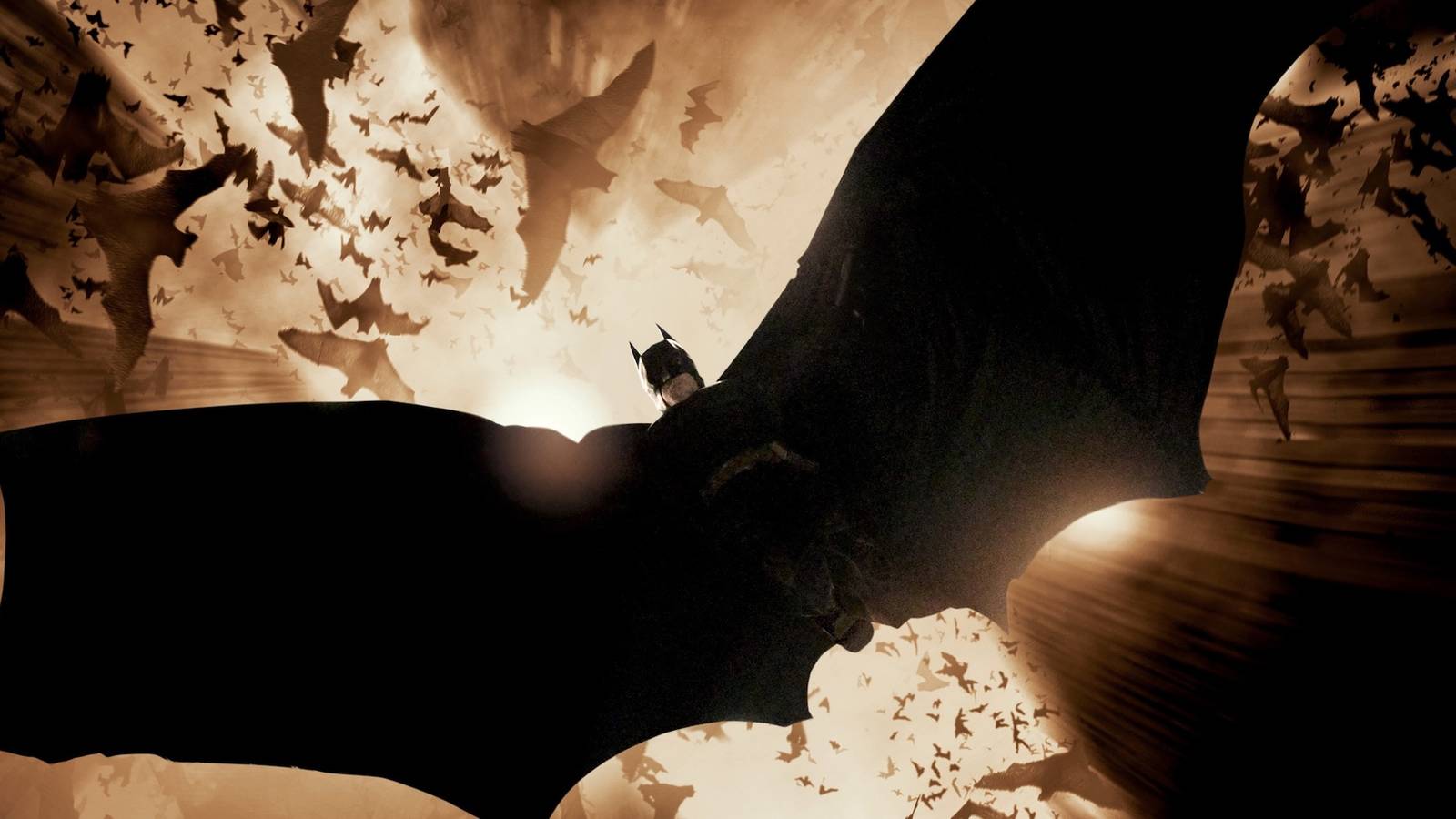
The film that started it all, Batman Begins, didn't just introduce a new take on the Caped Crusader—it fundamentally redefined how superhero origin stories could be told. Nolan meticulously traces Bruce Wayne's path from traumatized child to disciplined warrior, training with the mysterious League of Shadows before returning to a corrupt Gotham. Here, he forges the Batman persona not as a fantastical figure, but as a symbol of fear to combat the city's decay, facing off against the fear-mongering Scarecrow (Cillian Murphy).
This film's genius lies in its patient world-building. It grounds the mythos in a tangible reality, making the emergence of a man in a bat suit not only plausible but necessary. The central theme of conquering fear is woven brilliantly throughout Bruce's personal journey. While some elements, like Katie Holmes' performance, feel less assured compared to the stellar ensemble, the film's influence is immeasurable. Its gritty, realistic template directly inspired a wave of 2000s franchises, proving that superhero films could be both intelligent blockbusters and genuine cinematic events.
1. The Dark Knight (2008)
Here lies the untouchable crown jewel. The Dark Knight transcends its genre to become one of the great crime epics of the 21st century. The plot finds Batman, District Attorney Harvey Dent (Aaron Eckhart), and Lieutenant Jim Gordon (Gary Oldman) forming an alliance to save Gotham from a new kind of threat: the Joker (Heath Ledger), an agent of pure chaos who seeks to dismantle society's moral order through escalating, psychologically brutal games.
The film achieves a near-perfect balance of relentless action and profound philosophical depth. Nolan crafts a taut, escalating narrative where every scene builds tension, driving toward an unforgettable climax. Heath Ledger's Oscar-winning performance is a seismic force of nature, redefining screen villainy. The movie functions less as a comic book adaptation and more as a gripping meditation on order, sacrifice, and the thin line between hero and vigilante. Its seismic impact was felt beyond the box office; its controversial omission from the Best Picture Oscar race is famously credited with prompting the Academy to expand the category. In a trilogy of masterpieces, The Dark Knight stands alone—a flawless execution of vision that, much like HBO's finest television, continues to define excellence in popular storytelling.
Together, these three films form a rare complete cinematic journey where the whole is as remarkable as its legendary parts. They set a benchmark for thematic ambition in major studio filmmaking that continues to resonate, proving that superhero tales can explore the darkest corners of human nature while delivering unparalleled spectacle. For fans of genre-defining action or complex character drama, Nolan's trilogy remains essential viewing.