For over two decades, HBO has set the benchmark for premium television, but the last 15 years have seen the network evolve and refine its craft amidst fierce streaming competition. While new platforms chase viral trends, HBO has doubled down on its commitment to visionary storytelling and cinematic quality, producing series that feel complete, impactful, and culturally resonant from start to finish. This list celebrates those rare shows that didn't just succeed—they achieved a form of televised perfection.
7. 'The White Lotus' (2021–Present)
Mike White's razor-sharp anthology series has redefined social satire for the modern era. Each season transports viewers to a different luxurious resort, where the beautiful facade cracks to reveal the ugly truths about privilege, power, and human nature. Unlike other anthology shows with uneven episodes, The White Lotus maintains impeccable tension and narrative precision across every installment, offering no easy moral resolutions. Its stunning locations serve as ironic backdrops to the quietly devastating dramas unfolding among guests and staff, making it a modern classic that dissects the 'haves and have-nots' with surgical precision. The White Lotus Season 4 Begins Filming on French Riviera With Cannes Film Festival Twist.

6. 'True Detective' (2014–Present)
Nic Pizzolatto's anthology crime series exists in a category of its own, transforming detective drama into philosophical exploration. Each season follows different investigators solving harrowing cases, but the true mystery often lies within the characters themselves. The celebrated first season, with its themes of cosmic nihilism and existential dread, demonstrated how atmosphere could become a central character. From Louisiana's oppressive bayous to Alaska's frozen landscapes, the settings are never mere backdrops but active forces that shape the narrative. True Detective proves that crime television can be both intellectually rigorous and utterly gripping, much like how certain crime films have redefined their genre in recent years.
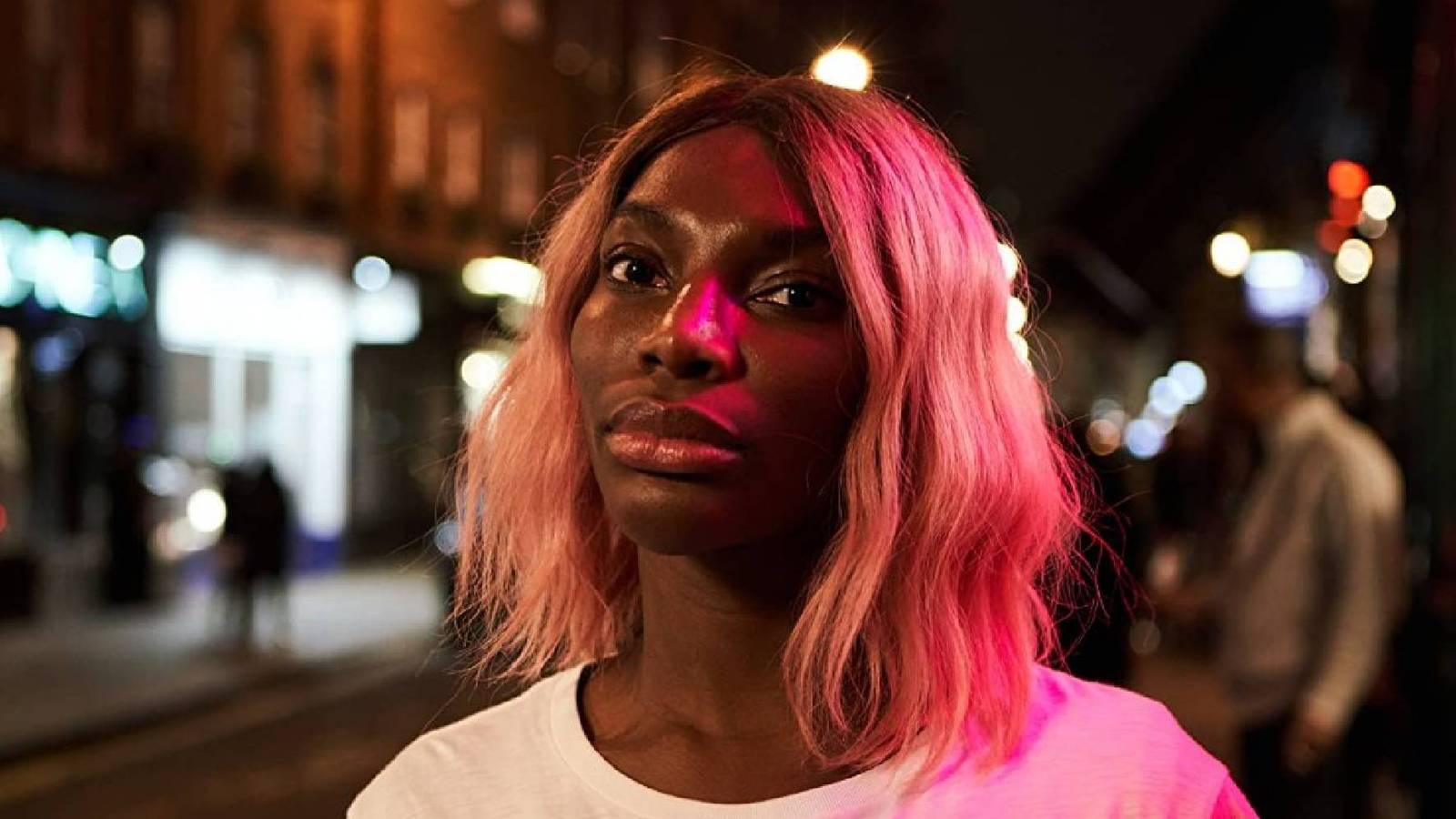
5. 'I May Destroy You' (2020)
Michaela Coel's groundbreaking series represents HBO at its most courageous and artistically vital. The show follows writer Arabella as she navigates the fragmented reality of life after a sexual assault, rejecting straightforward narrative conventions for something more authentic and complex. Coel's creation captures the messy, nonlinear process of trauma and recovery with unflinching honesty and unexpected moments of humor. In an era of safe programming, I May Destroy You dared to challenge viewers and genre expectations, resulting in a twelve-episode masterpiece that feels both uniquely personal and universally resonant. Its narrative unpredictability mirrors life's own chaotic rhythms.
4. 'Chernobyl' (2019)
Craig Mazin's five-part historical drama about the 1986 nuclear disaster stands as one of television's most meticulously crafted achievements. Rather than sensationalizing tragedy, Chernobyl methodically examines the human cost of lies, bureaucratic failure, and scientific arrogance. The series creates an almost unbearable atmosphere of dread, enhanced by stark cinematography and phenomenal performances that ground the cosmic horror in human faces. Like the best historical fiction, it feels urgently relevant, serving as both memorial and warning. Its contained, perfect structure demonstrates how limited series can achieve narrative impact that longer formats often dilute, similar to how some historical thrillers make perfect weekend binges.
3. 'Succession' (2018–2023)
Jesse Armstrong's saga of the Roy family media dynasty mastered the art of tragicomedy over four impeccable seasons. What began as a Shakespearean power struggle evolved into a devastating examination of wealth, family, and the emptiness of victory. Every element—from the acidic dialogue to the brilliant ensemble performances to Nicholas Britell's iconic score—worked in flawless harmony. The series never faltered in its tone or ambition, delivering a finale that felt both inevitable and breathtaking. Succession didn't just capture the cultural moment; it defined how television could dissect power dynamics with both scalpel-sharp precision and profound emotional weight.
2. 'Watchmen' (2019)
Damon Lindelof's daring adaptation/sequel to the graphic novel achieved the seemingly impossible: it honored source material while forging its own vital path. Set in an alternate America where masked vigilantes are part of history, the series used superhero mythology to explore trauma, racial injustice, and legacy with breathtaking ambition. Each of its nine episodes built toward a cohesive whole that was both intellectually challenging and emotionally powerful. Regina King's performance anchored a narrative that balanced surreal elements with profound human drama, creating a limited series that felt complete, ambitious, and perfectly executed in ways that even major fantasy films have struggled to achieve across decades.
1. 'The Leftovers' (2014–2017)
Damon Lindelof and Tom Perrotta's three-season masterpiece represents television's highest artistic achievement of the past fifteen years. Beginning with the sudden disappearance of 2% of the world's population, the series transformed from a study of grief into a profound meditation on faith, meaning, and human connection. Unlike shows that overexplain their mysteries, The Leftovers embraced ambiguity as its central philosophy, trusting viewers with emotional truths rather than narrative ones. Every creative choice—from the evolving title sequences to Max Richter's haunting score to Carrie Coon's career-defining performance—served the story's emotional core. The series concluded with what many consider television's perfect finale, providing catharsis without neat resolution, reminding us that some perfect things are perfect precisely because they remain beautifully, hauntingly unexplained.
These seven series demonstrate that in an age of endless content, true perfection lies not in episode counts or algorithm-friendly formulas, but in artistic vision fully realized. They represent HBO's enduring strength: giving visionary creators the space to tell complete, uncompromised stories that leave permanent marks on both television and culture. As streaming services continue to flood the market, these shows remind us that quality, coherence, and artistic bravery still define television's highest achievements.