When the original Star Trek crew finally got their big-screen moment, it came after a long hiatus that allowed for fresh stories and a more reflective take on the characters. But Star Trek: The Next Generation had a different path. The series ran for seven seasons, diving deep into social, political, and philosophical themes, leaving little room for the films to feel like anything more than extended episodes. Yet, in 1996, Star Trek: First Contact broke the mold, delivering a thrilling, action-heavy adventure that showcased Patrick Stewart's Captain Picard like never before.
Now, in November 2026, First Contact will be streaming on Paramount+, giving a new generation the chance to see Stewart transform into a bona fide action star. The film, which arrived just months after the series finale, had the unenviable task of justifying its existence beyond the small screen. While the first Next Generation film, Generations, leaned heavily on nostalgia and a convoluted plot, First Contact took a bold leap forward, embracing a more cinematic and visceral approach.
Die Hard on the Enterprise
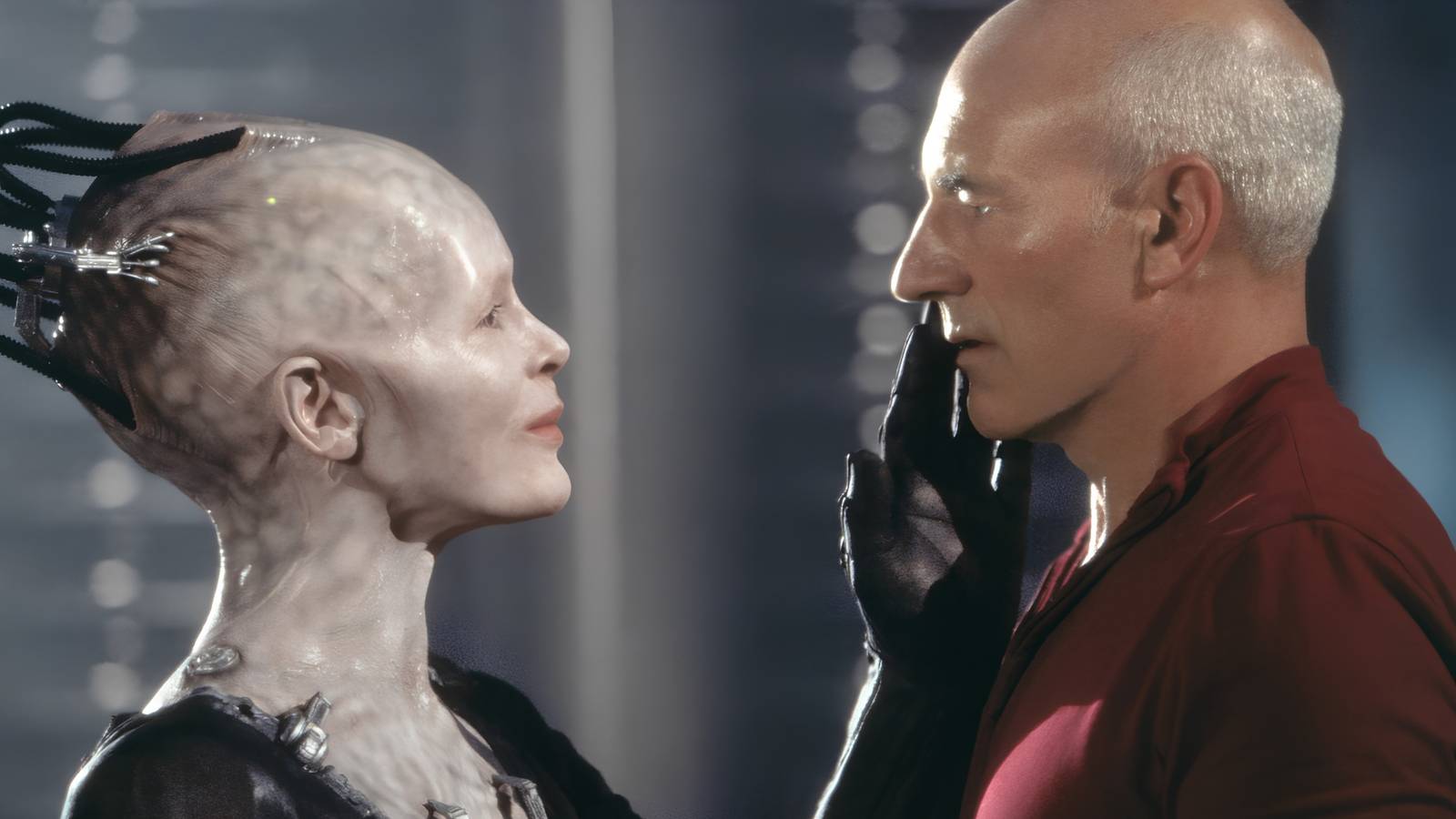
The genius of First Contact lies in its decision to pit Picard against the Borg, the franchise's most terrifying villains. The Borg's takeover of the Enterprise forces Picard off the bridge and into the fray, turning the film into a high-stakes game of cat and mouse. It's essentially Die Hard on a starship, with Picard as John McClane, using his intimate knowledge of the ship to outwit the invaders. This setup allowed for intense, zero-gravity action sequences and a palpable sense of danger that the TV show could never achieve.
The film's PG-13 rating gave it the freedom to explore darker territory. The Borg's assimilation of crew members is depicted with Oscar-nominated makeup effects that add a layer of body horror, making the threat feel genuinely menacing. But First Contact isn't just about spectacle; it's a deeply psychological journey for Picard, who still grapples with the trauma of his assimilation. Stewart delivers a vulnerable, emotionally charged performance, showing a side of Picard that fans had never seen before.
Picard's Humanist Core
What makes First Contact stand out is how it balances action with character. Picard's encounter with Lily Sloane, played by Alfre Woodard, a 21st-century inventor caught in the chaos, forces him to confront his own pride and rage. Through their interactions, Picard learns that true victory requires humility, a lesson that resonates long after the credits roll. Stewart masterfully portrays this internal conflict, making Picard both a formidable action hero and a deeply human figure.
The film also benefits from being a great entry point for newcomers. While it rewards longtime fans with callbacks and character development, it stands alone as a thrilling sci-fi adventure. Stewart's portrayal of Picard is slightly more brash and witty than in the series, reflecting his growth since the finale, where he finally joined his crew for a game of poker. This evolution makes First Contact a satisfying chapter in the Star Trek saga.
As we look forward to its streaming debut, First Contact remains a testament to Stewart's range as an actor and the enduring appeal of Star Trek. For those who haven't seen it, this is the perfect opportunity to witness one of the franchise's finest hours. And for those who have, it's a chance to relive the magic. Don't miss it when it lands on Paramount+ in November 2026.
If you're hungry for more action, check out our list of must-see action movies or dive into the most anticipated action anime of 2027. And for more Star Trek news, see what's coming with Starfleet Academy's Lost Contact.