Barack Obama has a habit of sharing his favorite books each summer, and eagle-eyed readers have noticed a recurring theme: the end of the world. From exploding moons to dying suns, his picks often explore humanity's darkest what-ifs. It's enough to make you wonder if the former president knows something we don't—or if he just has a taste for high-stakes storytelling.
Obama's literary tastes have long included science fiction, but his lists are heavy on tales of climate disaster, government collapse, and extinction-level threats. In 2016, he recommended Seveneves, Neal Stephenson's epic about the moon shattering and humanity scrambling to survive. Since then, his selections have only gotten more apocalyptic, featuring books where the sun is dying, the internet goes dark, and governments fail.

What's striking isn't just the doom and gloom—it's the focus on systems under pressure. These aren't post-apocalyptic wastelands with lone survivors; they're stories about governments, scientists, and institutions trying (and often failing) to manage crises. It's a perspective that feels particularly weighty coming from someone who once held the nuclear codes.
Let's dive into some of the most notable picks from Obama's doomsday book club.
The Ministry for the Future (2020)
Kim Stanley Robinson's novel opens with a devastating heatwave in India that kills millions, then expands into a sweeping look at how humanity might actually tackle climate change. It's not about recycling or reusable bottles—it's about central banks, geoengineering, and international policy. The story follows a fictional UN agency that advocates for future generations, who can't vote or lobby for themselves. It's a dense, thought-provoking read that questions what governments should do when the emergency is too big to ignore. Obama named it one of his favorite books of 2020, and it's easy to see why: it's less about the apocalypse itself and more about the bureaucratic and political responses to it.
Project Hail Mary (2021)
Andy Weir's follow-up to The Martian is a wild ride. Ryland Grace wakes up alone on a spaceship with amnesia, only to discover he's on a mission to save Earth from a dying sun. The sun is being drained of energy by an alien microbe, and if Grace fails, humanity is toast. It's a classic sci-fi premise, but what sets it apart is the global cooperation it depicts. Governments and scientists pour everything into a single mission, setting aside politics for survival. There's something oddly comforting about that vision—even in the face of extinction, humanity can come together.
Leave the World Behind (2020)
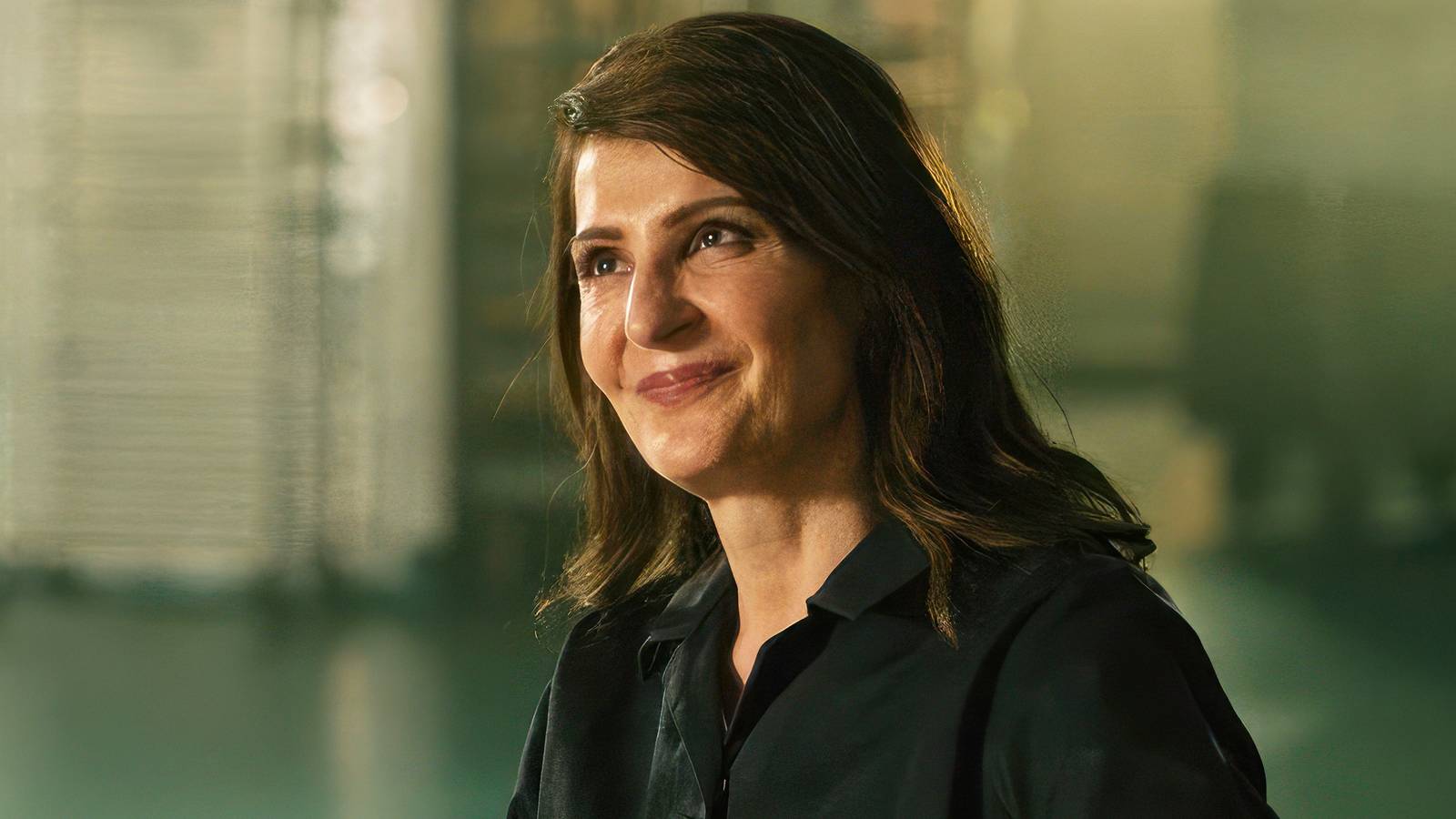
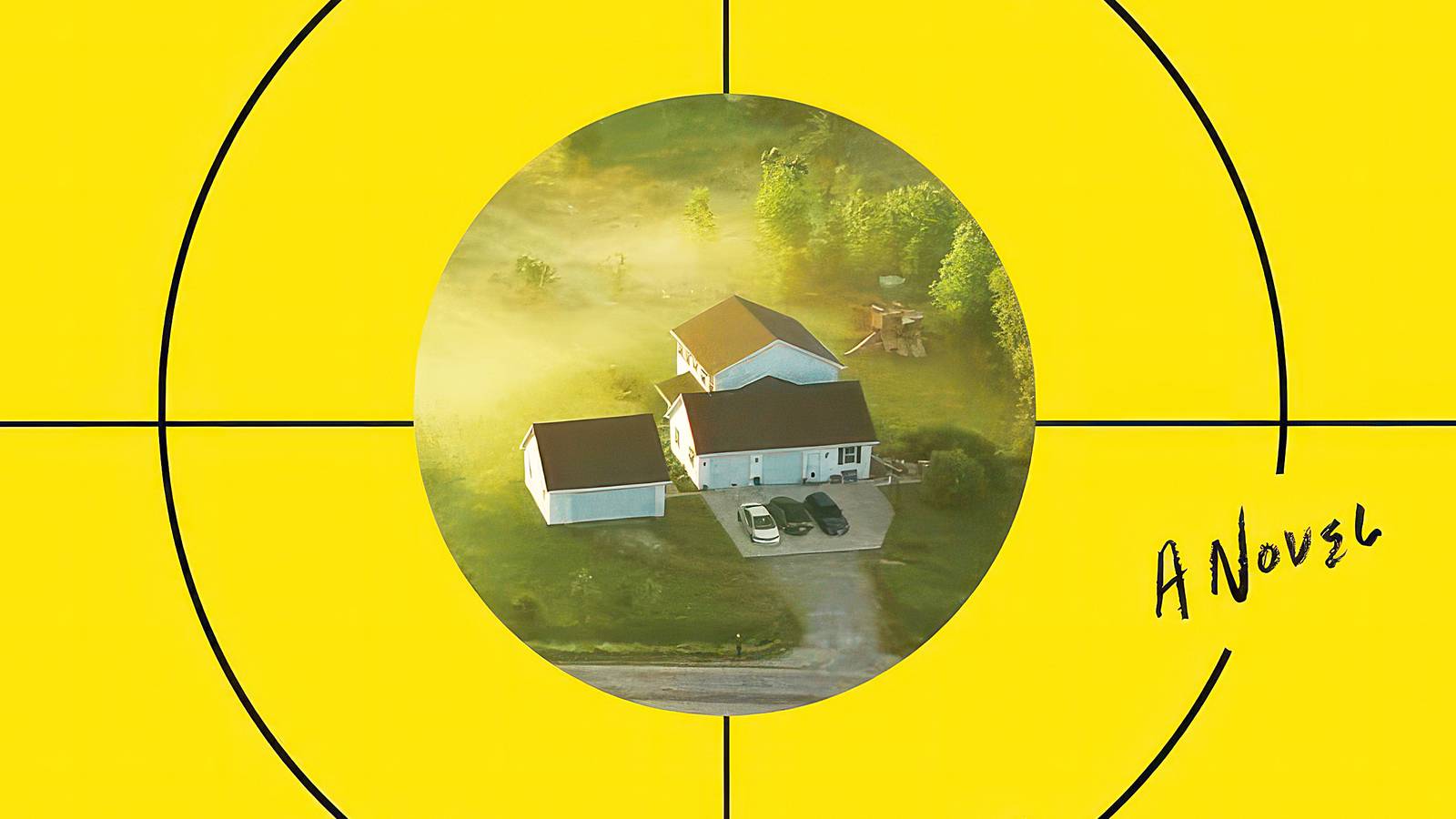
Rumaan Alam's novel takes a different approach. Here, the apocalypse is vague and terrifying. A family vacationing in a remote rental is interrupted by the owners, who claim a cyberattack has crippled the East Coast. The internet goes down, phones stop working, and planes fall from the sky. No one knows what's happening, and the government is silent. It's a chilling exploration of how fragile our information systems are—and how quickly society unravels when they fail. Obama's production company, Higher Ground, adapted it into a Netflix film, and he even gave director Sam Esmail feedback based on his own crisis management experience. Esmail revealed that Obama suggested toning down some scenarios because they were too extreme compared to what actually happens in real crises.
So, is Obama trying to tell us something? Probably not. More likely, he's drawn to stories that examine how institutions and individuals respond to overwhelming challenges. It's a theme that resonates with anyone who's been in a position of leadership—or who's just worried about the future. If you're looking for more reads in this vein, check out our list of sci-fi books to read this fall or our ranking of the best sci-fi books since 2000.
Whether you're a fan of hard sci-fi or prefer your apocalypses with a side of psychological thriller, Obama's picks offer plenty to chew on. And if the world does end, at least you'll have some reading material to pass the time.