Science fiction has long been the genre that literary awards treat like a distant cousin — admired from afar but rarely invited to the main table. That's partly because building a convincing speculative world without a Hollywood budget is brutally hard. But over the past two decades, a handful of novels have shattered that glass ceiling, earning Booker nominations, Hugo trophies, and a permanent place in the cultural conversation. The six books below didn't need laser battles or space operas to make their point. They simply asked: what happens to people when reality itself stops playing by the rules?
6. Annihilation — Jeff VanderMeer
A biologist signs on for the twelfth expedition into Area X, a sealed-off coastal region where nature has gone quietly, terrifyingly wrong. Every previous team ended in suicide, mysterious deaths, or survivors who came back fundamentally altered. Her own husband was part of the eleventh expedition, and he returned a shell of himself. VanderMeer refuses to explain Area X in any conventional sense — the confusion is the point. The novel trusts atmosphere and dread over tidy answers, and that's exactly why it lingers. It won the Nebula Award and inspired Alex Garland's 2018 film, though the book's slow-burn unease is nearly impossible to capture on screen.
5. Children of Time — Adrian Tchaikovsky
Humanity's plan to terraform a distant world using monkeys and an evolution-accelerating virus goes sideways when the monkeys die in transit and the virus instead supercharges the planet's spiders. Generations later, an intelligent spider society has developed language, tools, and its own messy politics, while the last remnants of humanity drift through space searching for a home. Tchaikovsky pulls off the impossible: by the second half, you're rooting for the spiders. The novel won the Arthur C. Clarke Award, and its generational spider chapters are worth the price of admission alone.
4. The Martian — Andy Weir
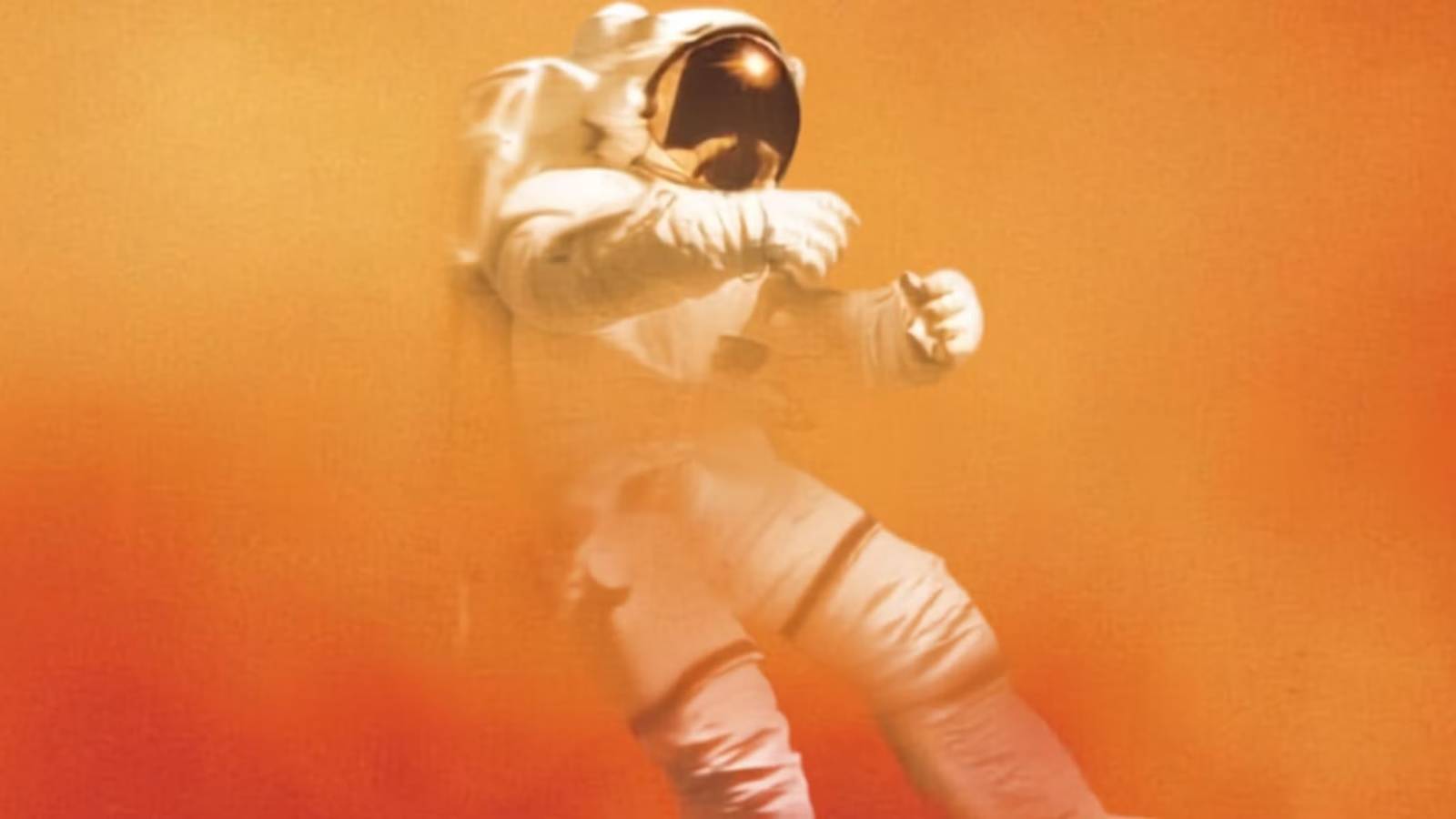
Mark Watney is stranded on Mars after a storm forces his crew to evacuate without him. Armed with engineering know-how, a ruined greenhouse, and his own waste as fertilizer, he has to survive long enough for rescue. Weir originally serialized the novel for free online, chapter by chapter, before a publisher picked it up. The science is meticulously researched — orbital mechanics, chemistry, real NASA procedures — and Weir reportedly welcomed corrections from readers. It became a Matt Damon blockbuster, but the book's sarcastic, first-person voice is something no amount of CGI can replicate.
3. Never Let Me Go — Kazuo Ishiguro
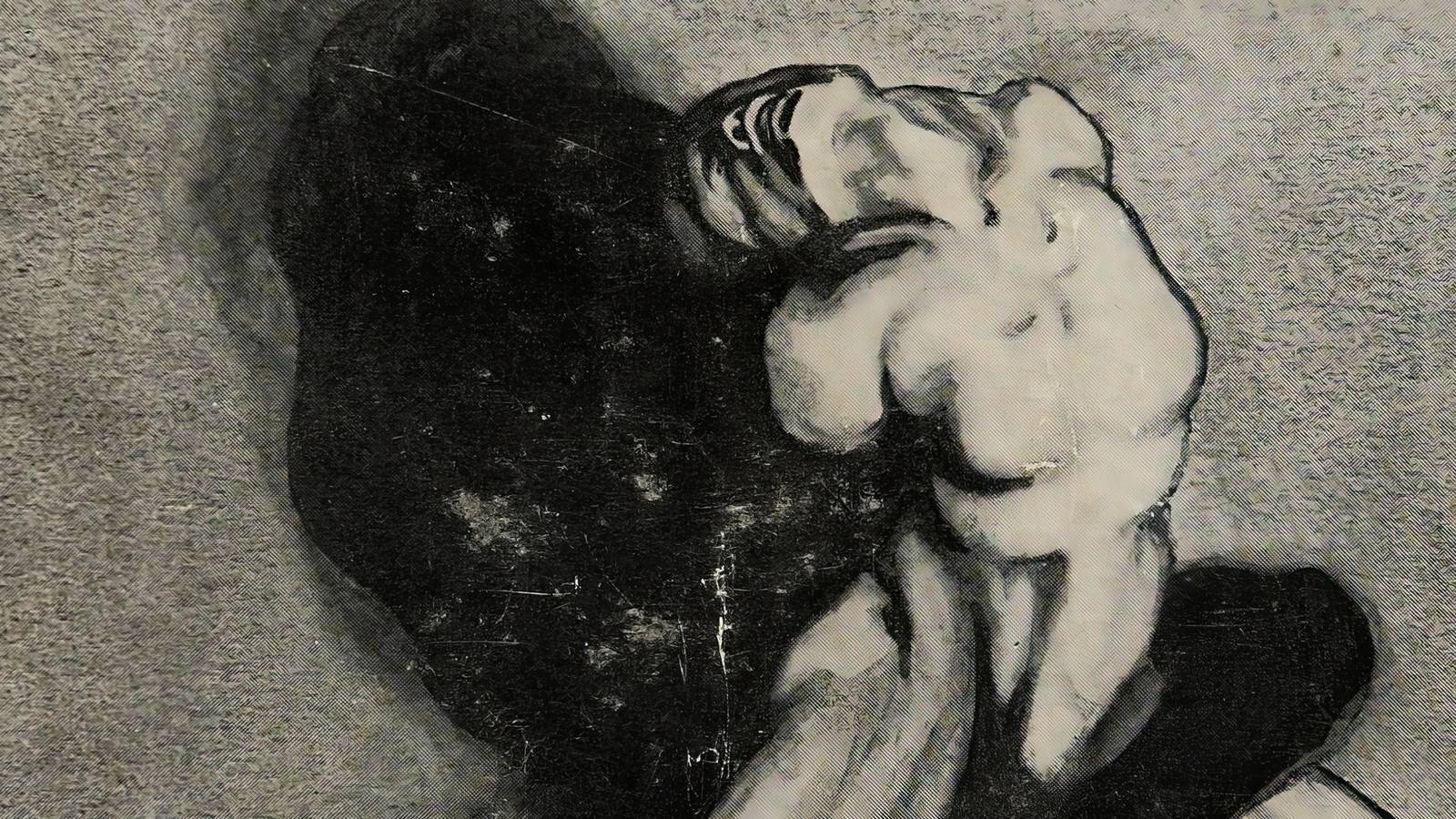
Kathy H. narrates her childhood at Hailsham, an English boarding school where she and her classmates are being raised for a chilling purpose they never truly question. Ishiguro strips away labs and jargon, leaving only the quiet acceptance of a horrifying fate. That restraint is what makes the novel so devastating — the horror lies in how calmly everyone accepts what's coming. It won multiple major literary prizes and was adapted into a 2010 film, but the book's understated dread remains unmatched. If you're drawn to stories that blend speculative ideas with deep humanity, you might also enjoy our ranking of the best romance novels since 1990.
2. The Three-Body Problem — Liu Cixin
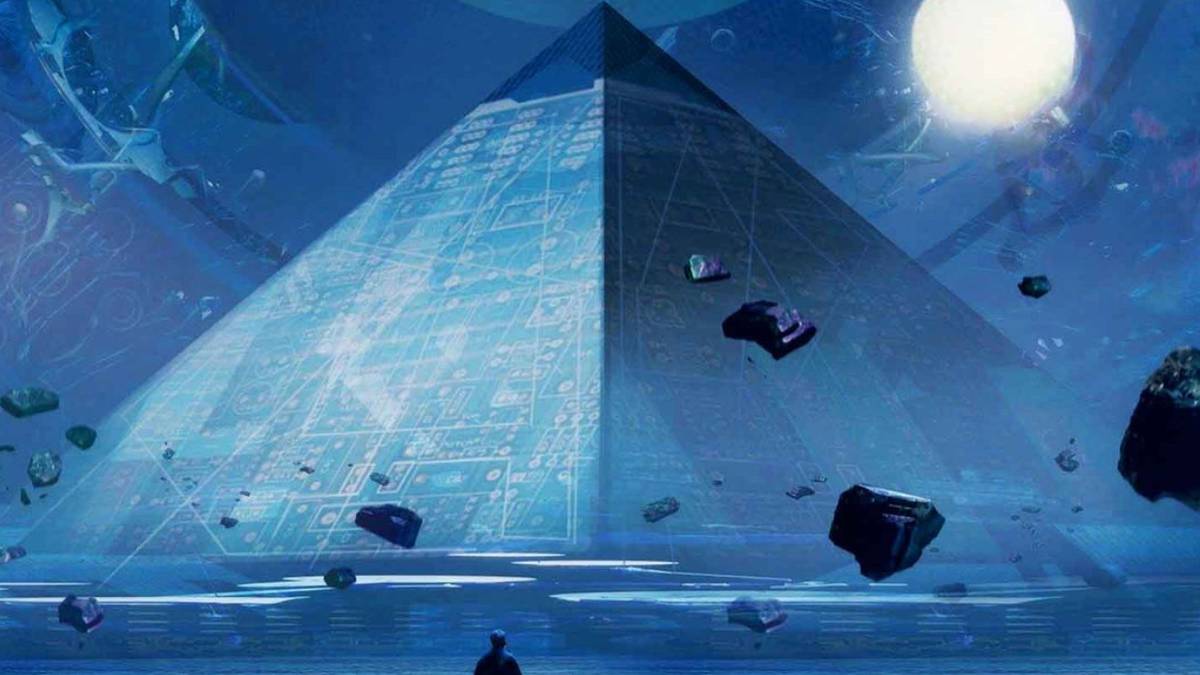
A wave of scientist suicides pulls researcher Wang Miao into a mysterious virtual reality game called "Three Body," where players struggle to survive on a planet whose orbit is being torn apart by an unsolvable physics problem. Liu Cixin interweaves that mystery with Ye Wenjie's story during China's Cultural Revolution, where a single bitter decision echoes across centuries. Translated by acclaimed sci-fi author Ken Liu, it became the first Asian novel to win the Hugo Award for Best Novel. Liu reportedly wrote much of the trilogy while working full-time as a computer engineer at a power plant — a detail that makes the book's ambition even more staggering.
1. Cloud Atlas — David Mitchell
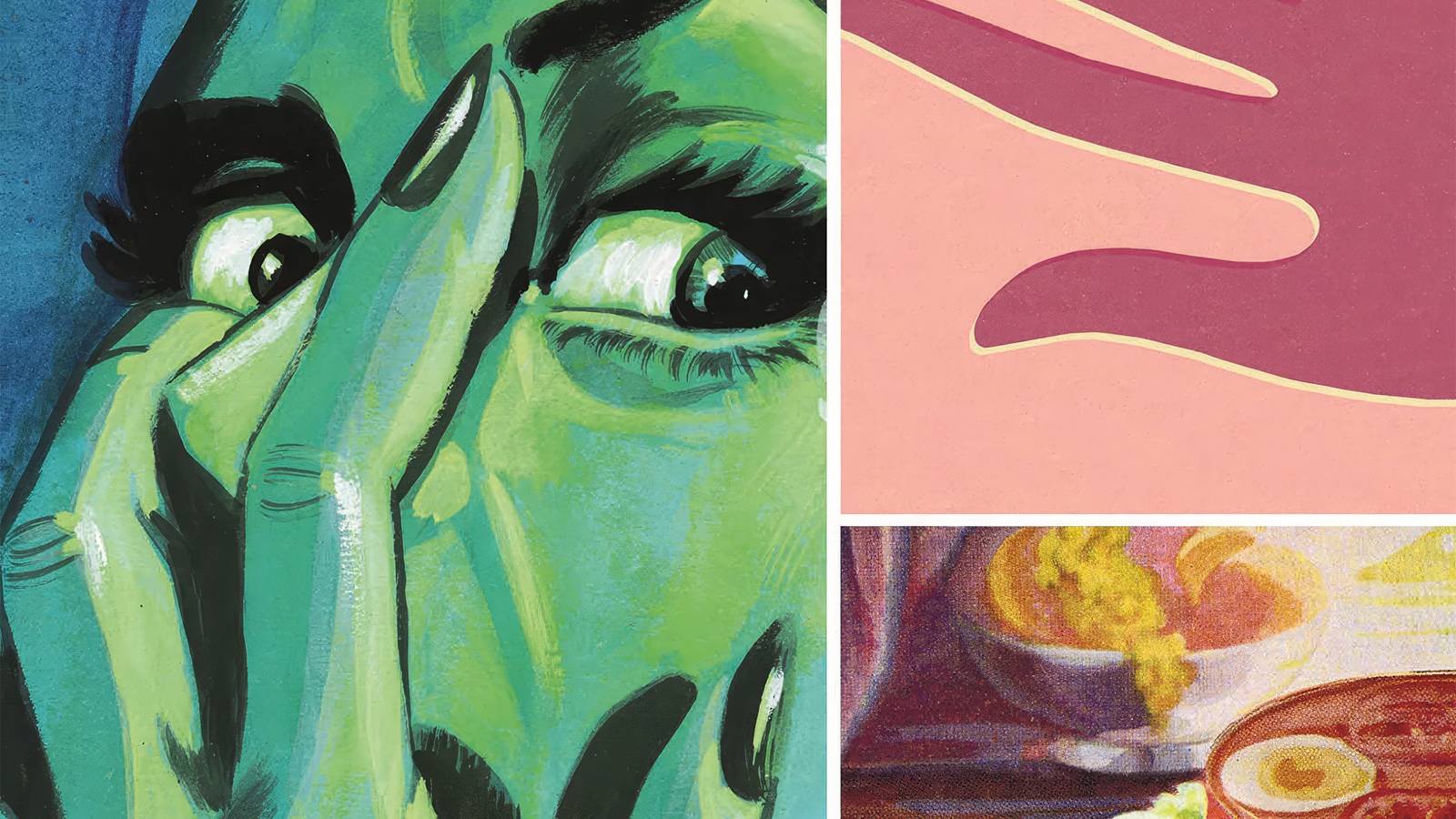
Six nested stories span centuries and genres: a Pacific sea voyage in the 1850s, a composer in 1930s Belgium, a journalist thriller in the '70s, a present-day publishing farce, a cloned worker in dystopian Korea, and a post-apocalyptic future in Hawaii. Each tale is interrupted halfway through and resumed later in reverse order, like a set of Russian dolls being opened and closed. Mitchell shifts prose styles effortlessly, yet the whole thing reads as one connected meditation on souls echoing across time. The Wachowskis and Tom Tykwer adapted it in 2012, but the book's puzzle-box structure is something only the page can truly deliver. For more genre-bending storytelling, check out our list of fantasy shows that stuck the landing.
These six novels prove that science fiction doesn't need explosions to be explosive. They take impossible ideas and turn them into unforgettable human stories — and they'll keep you turning pages long past your bedtime.