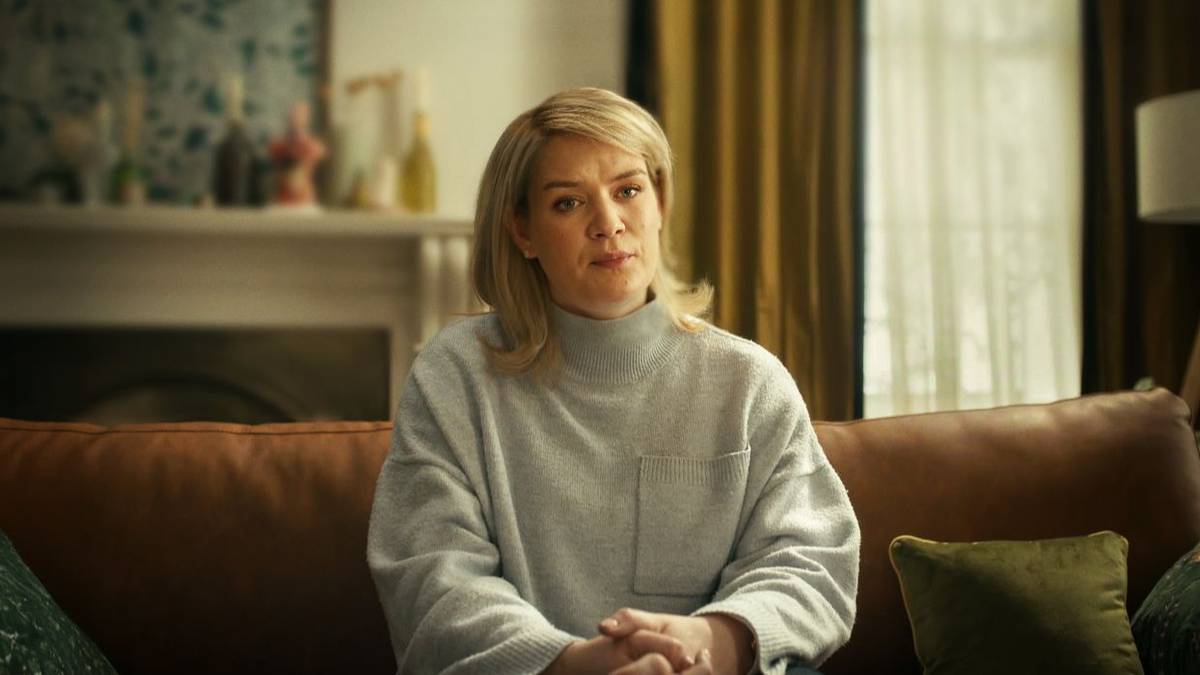
Netflix dropped Should I Marry a Murderer? on April 29, and it's already sparked heated debates in group chats everywhere. This three-part docuseries takes the familiar true crime formula and twists it into something far more unsettling. The killer isn't the main character. Neither is the victim. Instead, the spotlight falls on the woman who got engaged to a murderer, found out the truth, and—in a decision that will have everyone arguing—decided to stick around.
Caroline Muirhead is a forensic pathologist who met Alexander "Sandy" McKellar on a dating app (because, of course, that's how so many of these nightmares begin). Sandy is one of identical twin brothers from a landowning family in the Scottish Highlands. In 2017, he and his brother Robert were involved in a hit-and-run that killed Tony Parsons, a 60-something cyclist riding for charity on a dark, winding road. Both brothers were drunk at the time. They buried Parsons on the family's 28,000-acre estate and kept quiet. Two years later, after getting engaged to Muirhead, Sandy confessed. Eighteen months after that, Muirhead helped put both men behind bars. Intrigued? You should be.
A Tinder Match and a Body in the Highlands
Muirhead matched with McKellar on Tinder in 2019, fresh out of a bad breakup that had shattered her confidence. She found him charming, caring, and refreshingly masculine compared to the men of Glasgow. But he also had a drinking problem and mood swings. They bonded over their professions: she was a brilliant pathologist, and he was a gamekeeper who could skin a Highland stag in under a minute.
Two years into the relationship, after they got engaged, McKellar revealed his dark secret. In 2017, he and Robert hit a cyclist after a night of heavy drinking. The man, Tony Parsons, was a cancer survivor biking for charity. Panicked and drunk, the brothers buried him on their estate and never spoke of it again. Parsons became just another missing person, and the case went cold.
How 'Should I Marry a Murderer?' Subverts True Crime Tropes
The first episode lays all this out, but the real drama unfolds in episodes two and three. Instead of running, Muirhead stayed. She introduced McKellar to her parents over Christmas, went shooting in the hills, and quietly built a case for the Police Service of Scotland. She recorded her fiancé when he got drunk and started rambling about that night. She even marked Parsons' burial site with a crushed Red Bull can when McKellar wasn't looking—all to help police solve the case.
The most uncomfortable part of the series might be Muirhead's account of what happened after the police had what they needed. She says she was promised anonymity and support, but once she turned the brothers in, she was left to fend for herself. She describes how police offered no therapeutic services while collecting evidence, often mishandling the investigation in ways that endangered her and her family. She eventually lost her job (because the victim's body was sent to the same morgue where she worked, triggering conflict-of-interest rules). With nowhere else to go, she returned to the Scottish estate where Sandy and Robert were allowed to live while awaiting trial.
That choice—and Muirhead's spiral into drugs and alcohol before the trial—is what elevates Should I Marry a Murderer? beyond typical true crime fare. Instead of offering clear heroes and villains, it drops you into Muirhead's impossible Catch-22 and asks what you would have done. It's messy, frustrating, and hard to watch, but that's the point. By focusing on the one person who doesn't fit neatly into victim or villain, the series feels closer to real life than most entries in the genre. And that's a good thing.
If you're looking for more gripping crime content, check out our list of Heart-Stopping Heat: The Most Intense Crime Movies Ever Ranked or dive into Netflix's 'Crooks' Season 2 for a weekend binge. For those who prefer overlooked gems, 7 Overlooked Crime Dramas That Only Get Better With Time is a must-read.