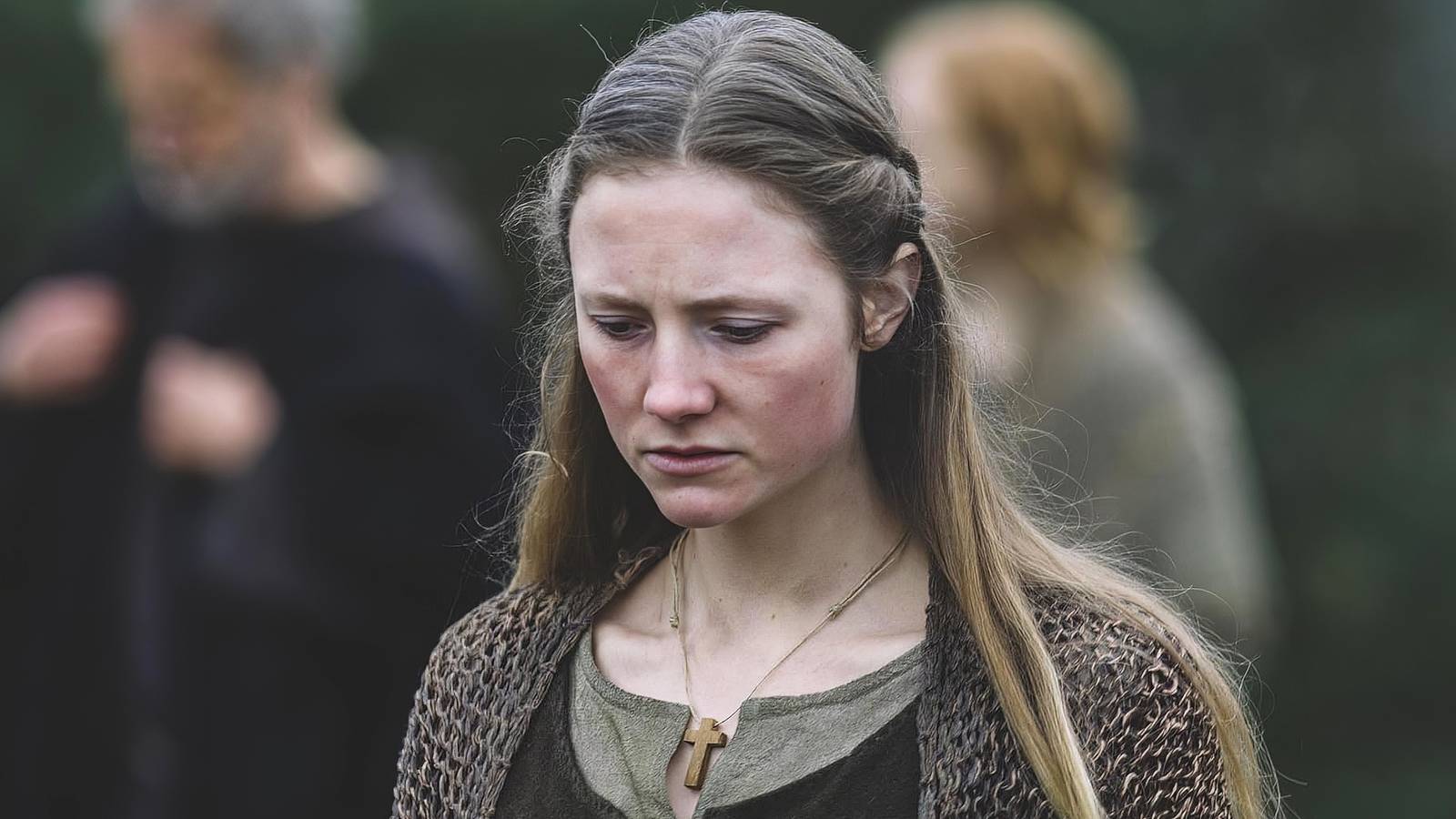
If you loved the eerie atmosphere of The Witch but wished it moved faster, Shudder's latest arrival, Heresy, is your perfect late-night fix. This 2024 Dutch indie horror fantasy clocks in at a tight 60 minutes, dropping viewers straight into a stampede of psychedelic terrors and anti-patriarchal fury. With gory yet mesmerizing visuals and a knack for keeping nerves frayed, Heresy is the kind of film that makes you flinch at shadows long after the credits roll.
A Medieval Nightmare in the Woods
Set in a small medieval town bordering a wall of ominous trees, Heresy follows Frieda (Anneke Sluiters), a young woman desperate to become a mother. She seeks help from the local priest, trying various spiritual remedies, but each attempt ends in failure—much to her husband's growing annoyance. One fateful day, she has a terrifying encounter in the woods, followed by a spine-tingling scene of an otherworldly creature latching onto her. When she returns home, the town turns on her, accusing her of witchcraft and consorting with the Devil. Frieda must fight for survival on two fronts: against the supernatural horrors in the forest and the human cruelty in her own village.
Psychedelic Visuals and Practical Effects
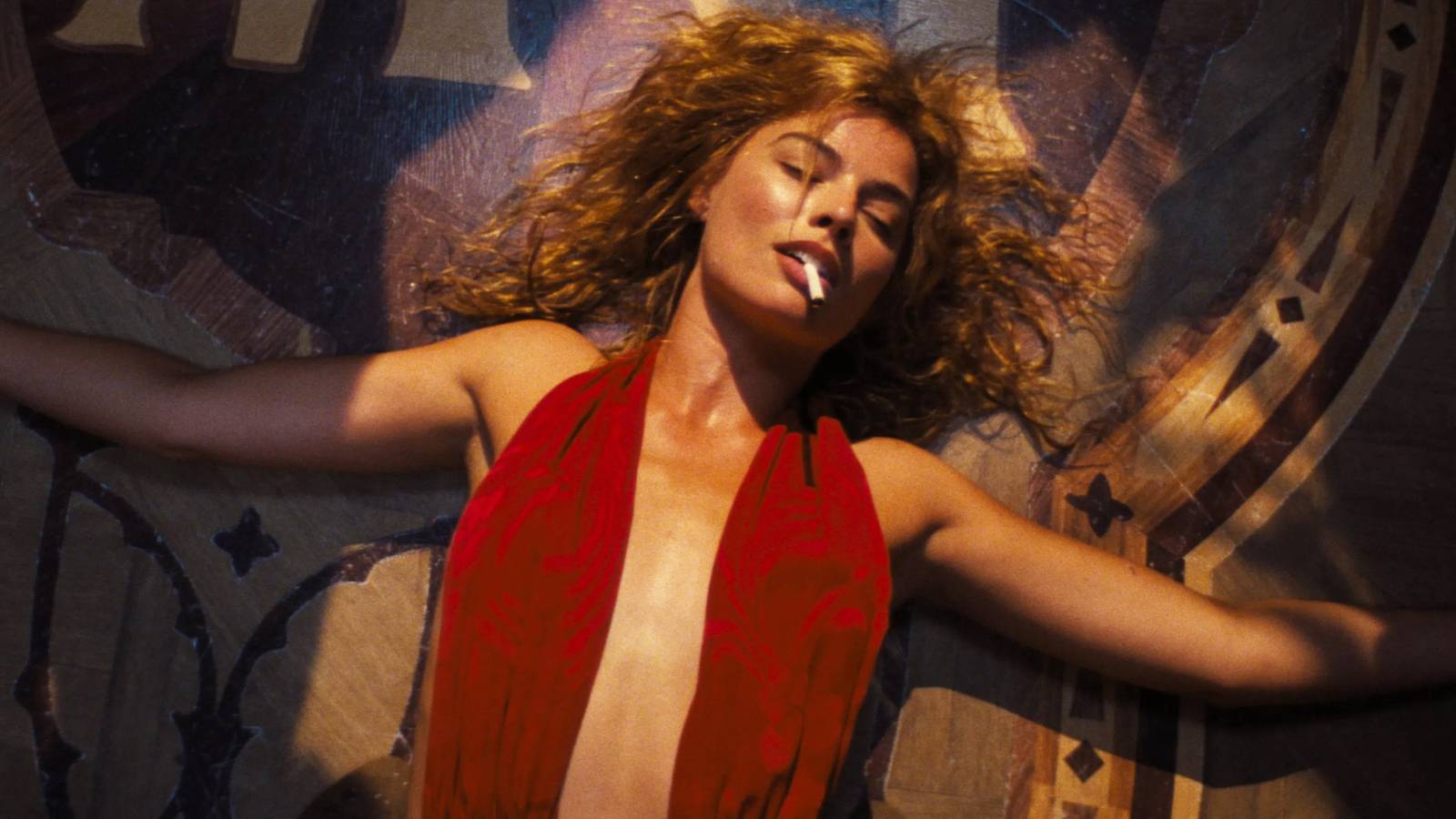
Heresy is a visual feast that never lets your eyes wander. Before the turning point, the camera lingers uncomfortably on potential threats in the town—an abusive stranger, a husband prone to outbursts—mimicking the wariness women must navigate daily. The atmosphere is dread-laden, with dark, shadowed lighting and a sense of inevitability that elicits claustrophobia despite the vast forest nearby. The film wastes no time shifting from disturbingly realistic to hauntingly supernatural, stretching its budget through stunning practical effects. Fantasy creatures initially lurk at the edges of the frame, hidden by murky fog and Frieda's terrified perspective. This kicks off a series of increasingly psychedelic horrors that are too captivating to look away from, even as they make your skin crawl. With grand flourishes in graphic body horror and a later sequence that feels like personified catharsis, Heresy constantly pushes the boundaries of beautifully macabre filmmaking. An unsettling orchestral score ties it all together, creating an immersive watch that races for the viscera instead of slow-burn tension.
Female Rage at the Core
Driving Heresy forward is a deep-seated feminine rage that is felt rather than explained. The film never inundates us with social commentary but lets the palpable atmosphere—typical of folk horror—direct its anger against established hierarchies and expectations. Frieda's value in the town is tied to motherhood, and her motivations for a child seem partly driven by instinct and a desperate need to escape herself and her surroundings. The screen practically pulsates with frustration, helplessness, and an animalistic need for release, all heightened by the psychedelic horror. At the center is Sluiters' magnetic performance. Though Frieda begins predictably submissive and quiet, Sluiters layers a fierceness underneath that we eagerly anticipate will bubble up. Her dialogue is limited, but her face is incredibly expressive, powerfully conveying fear and wrath. She is a major reason the film is so visually arresting, weaponizing the sexist expectation of a woman being seen, not heard.
Many films have tried to capture female rage, but few have done it with the visual panache and reality-bending proclivities of Heresy. It packs all the beats of folk horror into a single monstrous hour that will linger on the fringes of your mind long after the creatures of the forest have gone to rest. For more dark fantasy gems, check out our list of Forgotten Gems: 7 Dark Fantasy Movies That Deserve More Love. And if you're in the mood for more Shudder scares, explore A24's Scariest Horror Movies That Will Haunt Your Nightmares.