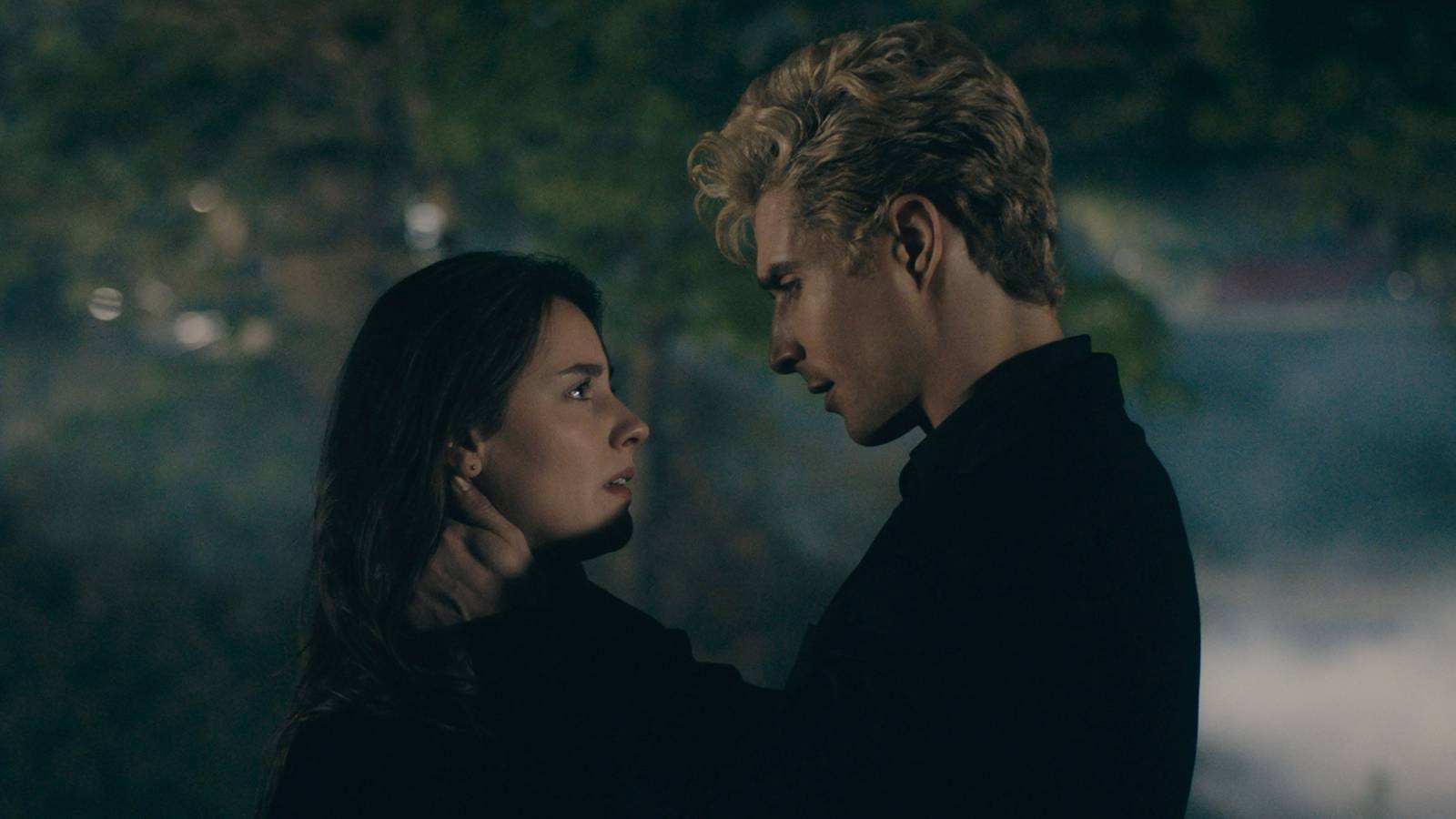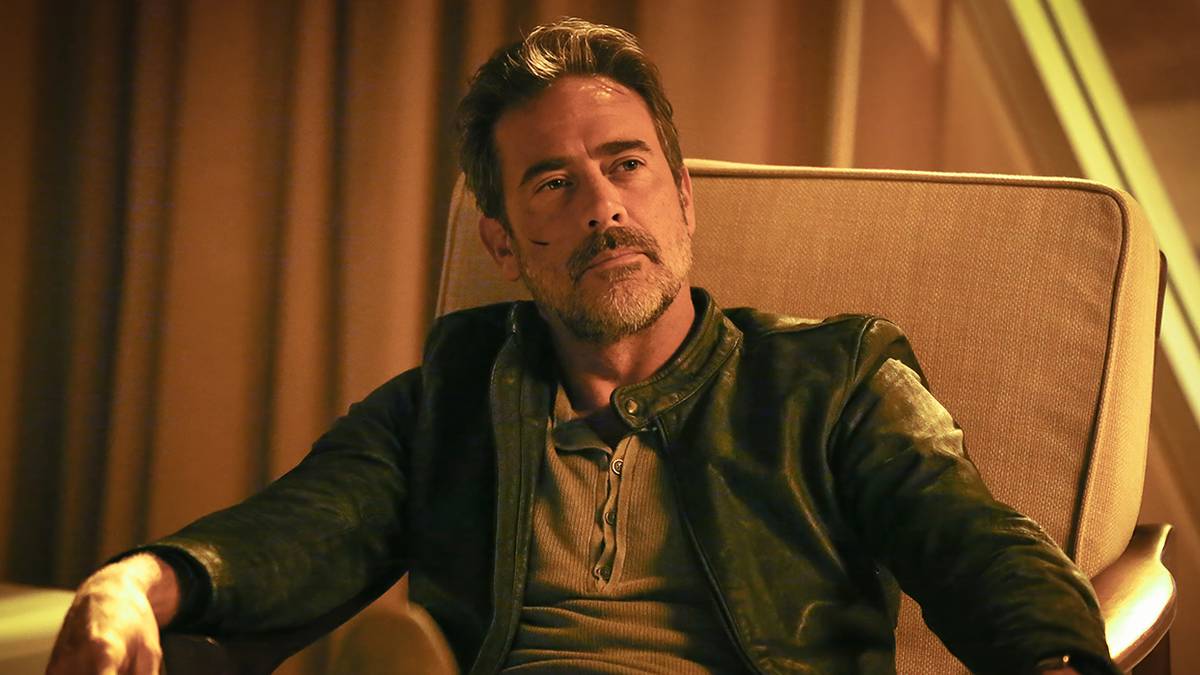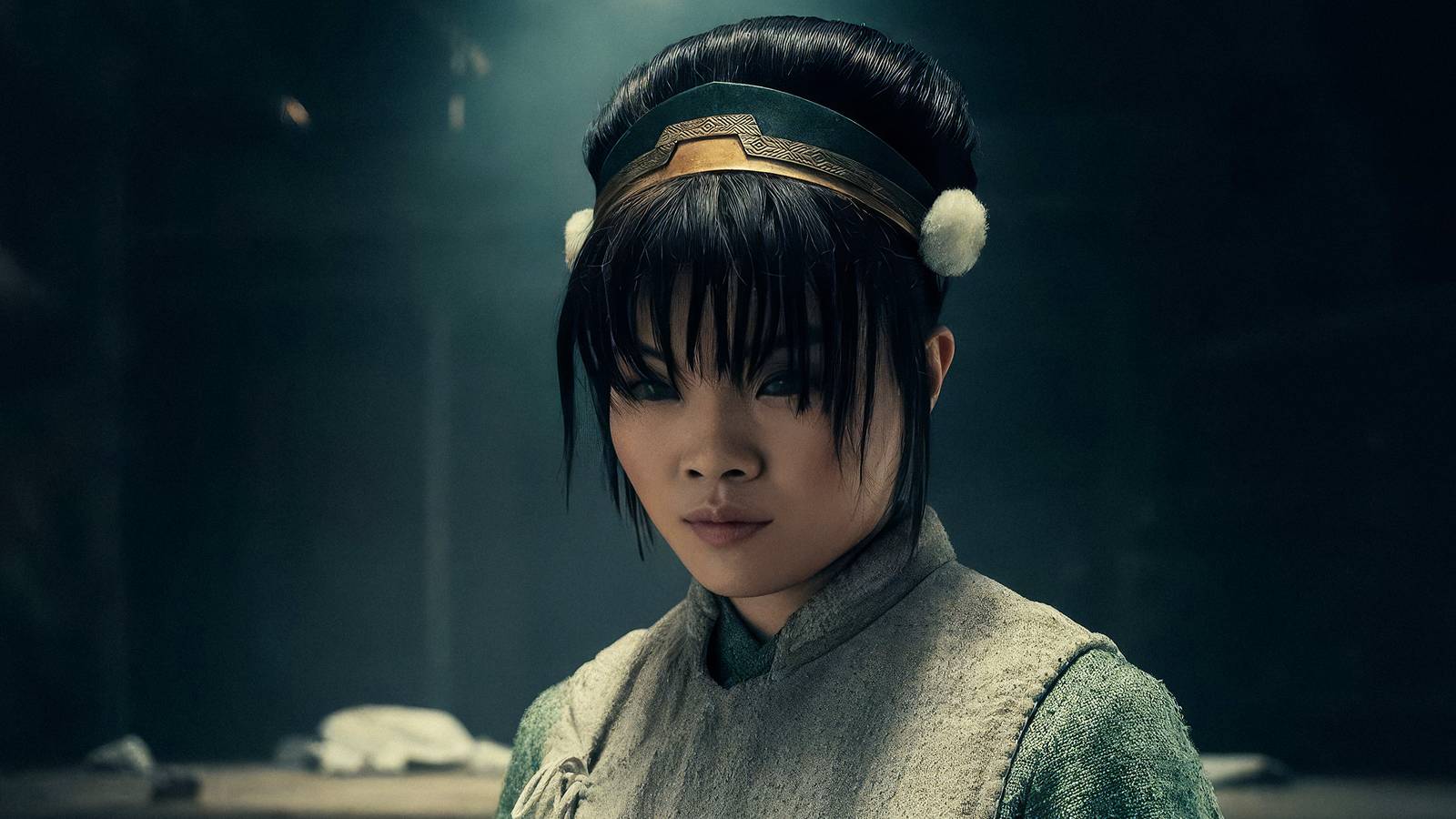
Netflix's live-action Avatar: The Last Airbender has returned for a second season, following Team Avatar as they journey through the Earth Kingdom in search of an earthbending teacher for Aang (Gordon Cormier). Their quest eventually leads them to the grand capital of Ba Sing Se, while Princess Azula (Elizabeth Yu) sets out from the Fire Nation to hunt down the Avatar and her exiled brother, Prince Zuko (Dallas Liu).
Like the first season, this new batch of episodes takes significant liberties with the source material. While some changes are understandable given the shift from animation to live-action, many feel unnecessary and ultimately weaken the story. Here are the 10 biggest changes in Avatar: The Last Airbender Season 2, ranked from least to most impactful.
10. Trauma Dumping
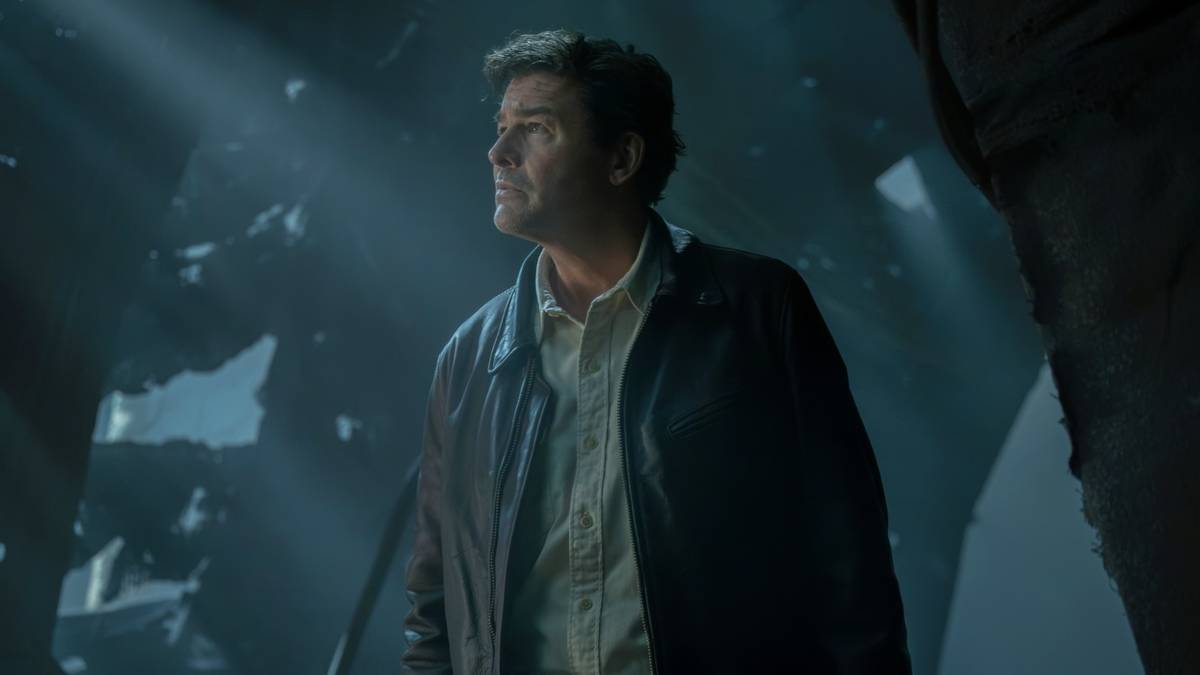
With each episode running over an hour—compared to the original's 22 minutes—the writers had to fill extra time. Their solution? Have characters repeatedly discuss their traumas and negative emotions. Sokka (Ian Ousley) gets the most screen time for this, as the show dwells on his grief over losing Princess Yue (Amber Midthunder).
Early conversations feel natural, especially a touching moment between Sokka and Katara (Kiawentiio) about their shared loss. But the pattern quickly becomes repetitive as nearly every character joins in, and the phrase "if you need someone to talk to" appears so often it could fuel a drinking game. Aang's anger over losing Appa (Matthew Yang King) is particularly over-explained, robbing the emotion of its power.
9. The Fate of Zuko's Mother
One of Zuko's most defining losses is his mother, Ursa (Lily Gao). In the live-action version, Ursa tries to flee Ozai (Daniel Dae Kim) during his coup and is last seen being dragged from her carriage by Fire Nation guards. The original series handled this far more dramatically: after Ozai insults his father, Fire Lord Azulon orders him to kill Zuko as punishment. Ursa then poisons Azulon to save her son, and is banished for her actions. The Netflix version strips away that moral complexity and emotional weight.
8. "Zuko Alone"
The original episode "Zuko Alone" is a fan favorite, showing Zuko separated from Iroh (Paul Sun-Hyung Lee) as he protects an Earth Kingdom village from Fire Nation raiders—only to be rejected when he reveals his bending. The live-action version combines this story with elements from "The Cave of Two Lovers" and "The Chase," turning Zuko's heroic stand into a chaotic brawl involving Team Avatar and Azula. This muddles the tragic climax and undermines Zuko's character arc.
7. Warped Screen Time for Minor Characters
Season 2 gives odd prominence to some minor characters while sidelining others. The Mechanist Sai (Danny Pudi) now travels with the group and reveals Sozin's Comet's return—a detail originally delivered by Avatar Roku. Professor Zei (Hoa Xuande) helps find Wan Shi Tong's library but betrays the group and dies, rather than staying behind to study. Worst of all, Azula's friends Ty Lee (Momona Tamada) and Mai (Thalia Tran) are reduced to near-background roles, their personalities flattened. This is a major loss, as their distinct traits were essential to balancing Azula's intensity.
6. The Painted Lady
Katara's storyline about the Painted Lady—a river spirit she impersonates to help refugees—is transplanted from the original show but makes little sense here. In the animated series, the Painted Lady was a local deity of a Fire Nation village whose river was polluted by a factory. Katara's actions had clear context and stakes. In the Netflix version, the plot feels disconnected and loses its emotional resonance.
For more on what's coming to Netflix, check out our coverage of Netflix's July 2026 Lineup and July 2026's Must-Watch Netflix Gems.
5. The Earth King's Role
In the original, the Earth King is a naive but well-meaning ruler manipulated by his advisors. The live-action version makes him more passive and less sympathetic, reducing the impact of his eventual awakening to the war's horrors. This change also affects the dynamic with Team Avatar, who now have to work harder to earn his trust.
4. The Dai Li's Motivations
The Dai Li, Ba Sing Se's secret police, are given a more overtly villainous agenda in the Netflix series. In the original, they were complex figures who believed they were maintaining order. Here, they're simply corrupt enforcers, losing the nuance that made them compelling antagonists.
3. Iroh's Backstory
Iroh's past is explored more directly in the live-action version, including his son's death and his time in the White Lotus. While this adds depth, it also removes some of the mystery that made Iroh's wisdom feel earned over time. The show spells out his lessons rather than letting them unfold naturally.
2. The Spirit World
The Spirit World is depicted with more concrete rules and fewer surreal elements. In the original, the spirits were unpredictable and often symbolic. The Netflix version makes them more like standard fantasy creatures, losing the dreamlike quality that made the Spirit World unique.
1. The Finale's Structure
The biggest change comes in the season finale, which reorders key events from the original. The confrontation with Azula in Ba Sing Se is shortened, and Aang's battle with the Fire Nation fleet is given more focus. This shift undermines the emotional climax of Zuko's betrayal and Katara's healing, leaving the season feeling rushed and less satisfying.
For more on the future of the franchise, read our analysis of why 'Avatar: The Last Airbender' must adapt F.C. Yee's prequel novels.