When it comes to military dramas, authenticity is often the hardest thing to achieve. Most shows rely on actors who've never seen combat, but SEAL Team has taken a different approach. By bringing in actual Navy SEALs and special operations veterans—both in front of and behind the camera—the series has carved out a niche that few other action shows can match. It's not just about the explosions and tactical maneuvers; it's about the real, gritty experiences that only those who've lived it can convey.
What Makes 'SEAL Team' Different?
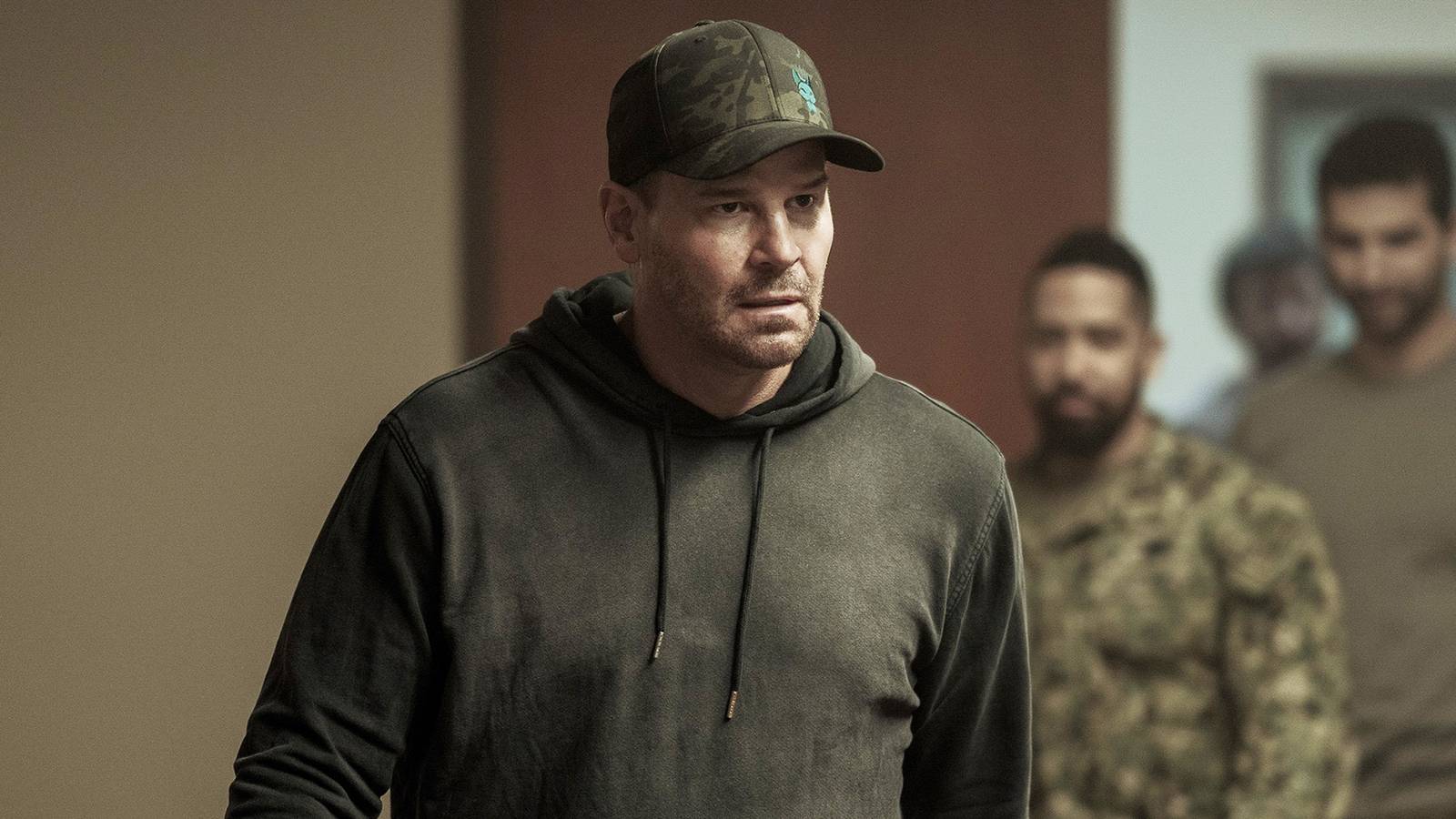
Developed by Benjamin Cavell, SEAL Team was born from an idea pitched by Mark Owen, a former Navy SEAL who also serves as an executive producer. Owen's influence is felt throughout the show, from the storylines to the smallest details—like the helmet worn by David Boreanaz's character, which honors real-life SEALs. The series follows Bravo Team, a group of elite operators, as they navigate the complexities of their missions and their personal lives. What sets it apart is its unflinching look at the psychological toll of combat, including the struggles soldiers face when they return home.
Owen has explained that the show's focus on family life is what makes it resonate. "As many friends as I've lost in combat, I've lost a lot to suicide and dealing with things when they get home," he said. "It takes a lot to sacrifice so much, and that's really why I think this show does so well." This commitment to realism is evident in the heartbreaking arc of Clay Spenser, played by Max Theriot, in Season 6.
Real Veterans, Real Impact
One of the most impressive aspects of SEAL Team is its hiring of veterans to ensure accuracy. Mark Semos, a former Navy SEAL, joined the show after working as a stunt coordinator on Lone Survivor. He started as a consulting producer and eventually became a writing producer, using his firsthand experience to shape the stories. Semos even made a brief on-screen appearance in the Season 6 episode "Fair Winds and Following Seas."
Then there's Tyler Grey, a former U.S. Army Delta Force operator and Ranger sniper. After being injured in the field, Grey transitioned to Hollywood, initially as an advisor before landing the recurring role of Trent Sawyer. He's appeared in all six seasons and even directed an episode. Grey's journey is a testament to the show's dedication to authenticity, as he brings a level of realism that's hard to fake.
But it's not just Semos and Grey. The show has hired nearly 100 veterans over its run, as David Boreanaz has proudly noted. "We don't like to call them technical advisers; we like to call them producers," he said. "They're there from the concept of the story all the way through to the finish." This collaborative effort ensures that every detail, from the way operators hold their weapons to the emotional weight of a homecoming, feels genuine.
Why Authenticity Matters
In a landscape filled with military shows that often prioritize spectacle over substance, SEAL Team stands out for its commitment to telling real stories. The show doesn't shy away from the harsh realities of war, including the mental health struggles that many veterans face. It's this honesty that has earned it a dedicated fanbase and critical acclaim.
As Tyler Grey put it, "What we're trying to do as a group is make something that's not real, obviously, but make something that's authentic." And that's exactly what they've achieved. With the help of real veterans like Owen, Semos, and Grey, SEAL Team has become more than just a TV show—it's a tribute to the men and women who serve.
For fans of military dramas, SEAL Team offers a level of realism that's hard to find elsewhere. Whether you're drawn to the action or the emotional depth, this is a series that respects its subject matter and its audience. And with its move to Paramount+, it's more accessible than ever. If you're looking for a show that doesn't just entertain but also honors the sacrifices of our armed forces, SEAL Team is a must-watch.