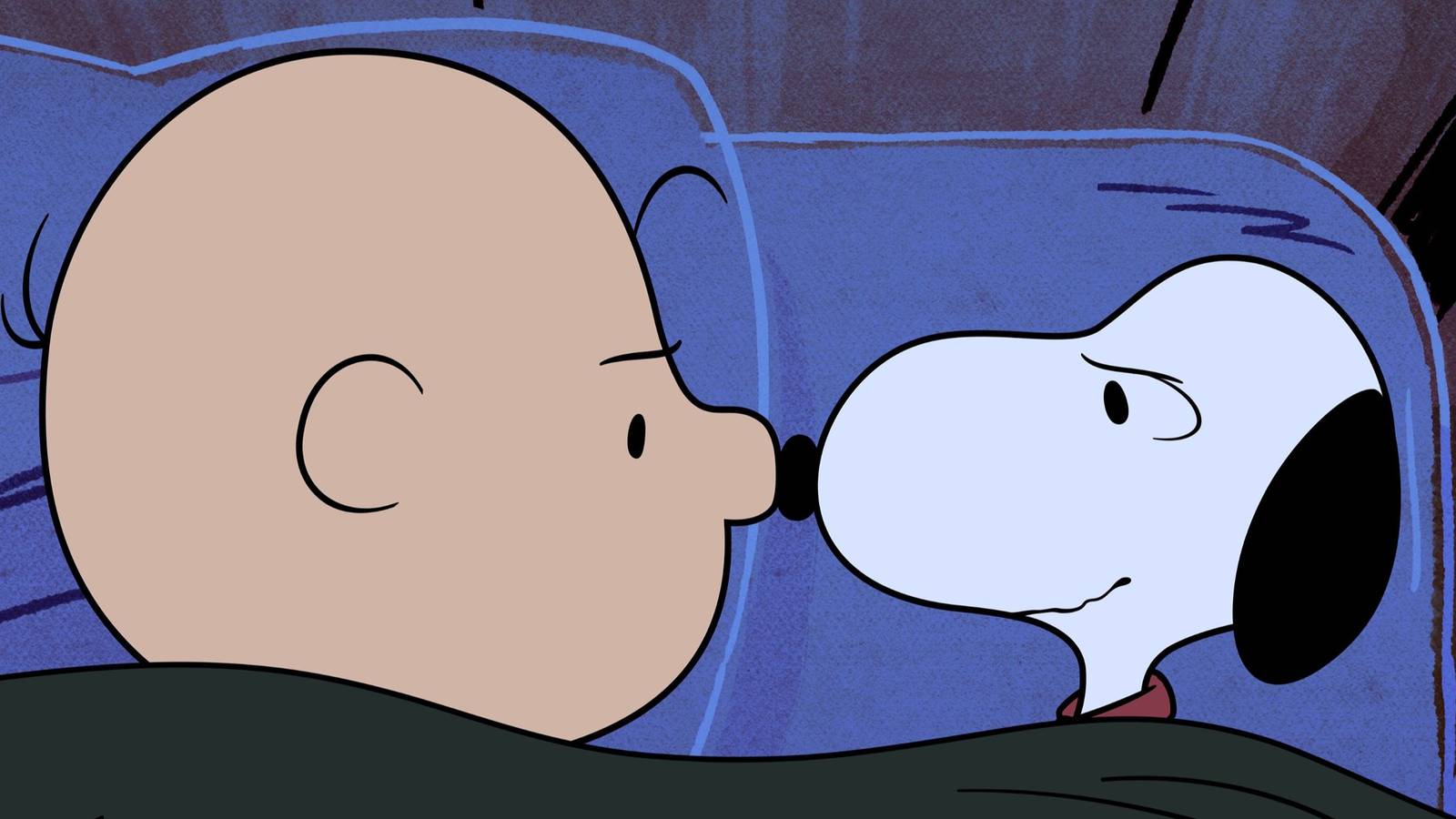
For over seven decades, Charlie Brown has been the poster child for losing. He's struck out on the baseball diamond, watched his kite get devoured by a hungry tree, and fallen for Lucy's football trick every single time. Yet, despite this unbroken streak of misfortune, he remains one of pop culture's most beloved underdogs. Why? Because his story isn't about winning—it's about the courage to keep showing up.
When Peanuts debuted in 1950, it quickly became a cultural phenomenon, appearing in over 2,600 newspapers at its peak. But what truly set it apart was its honest portrayal of failure. Charlie Brown isn't a hero who learns from his mistakes and triumphs; he's a kid who keeps making the same ones, hoping for a different outcome. That's what makes him so relatable.

The Football Gag: A Lesson in Hope
Perhaps no image captures Charlie Brown's essence better than the annual football scene. Lucy holds the ball, Charlie runs up to kick it, and at the last second, she yanks it away, sending him sprawling. As a child, you might wonder why he never learns. But as an adult, you recognize the universal truth: we all keep trying, even when past experience tells us we'll fail. We trust the wrong people, chase impossible dreams, and return to situations that have hurt us before—because giving up feels worse.
Charles Schulz, the genius behind Peanuts, wasn't interested in crafting a conventional hero. Instead, he created a character who remained vulnerable and insecure, evolving from a flippant kid into the kind-hearted, persevering figure we know today. The Charles M. Schulz Museum notes this gradual development, highlighting how Charlie Brown's struggles mirror our own.
Schulz's Own Battles
Schulz's personal experiences with rejection and disappointment infused Peanuts with authenticity. He faced numerous rejections early in his career, with syndicates passing on his work. Yet he kept drawing, refining his craft until Peanuts finally launched in seven newspapers in October 1950. That perseverance is baked into Charlie Brown's DNA. He keeps going because stopping would mean letting failure win.
Even Charlie Brown's baseball team, famously terrible, serves as a metaphor. He loves the game enough to endure constant defeat. The joke isn't that he's bad—it's that he refuses to quit.
The Real Victory Is Getting Back Up
There's something radical about a children's character who doesn't overcome his insecurities. Charlie Brown never becomes confident, Lucy never changes, and the Little Red-Haired Girl never falls for him. Yet he isn't a tragic figure. Peanuts understands a lesson many stories avoid: sometimes you don't conquer what hurts you; you just learn to live with it.
His friends—Linus, Schroeder, Snoopy, and the rest—don't fix his problems, but they offer a safe place to return to after each disaster. That's why the football gag endures. It's not about the ball; it's about the brief moment of hope before the inevitable fall. Charlie Brown sees an opportunity, believes things might change, and then gets up again.
Schulz created characters whose anxieties and disappointments mirrored readers' lives, turning childhood frustrations into universal truths. Charlie Brown's greatest failure is also his greatest achievement: he never stops hoping, never stops trying, and never lets failure have the final word. That's why, after all these years, we still see ourselves in him.
For more on enduring characters and their impact, check out our ranking of the best children's picture books or explore the greatest coming-of-age novels that capture similar themes of perseverance.