Mystery fiction, at its finest, is a masterclass in engagement. It hooks us with suspense, keeps us guessing with clever misdirection, and rewards us with the satisfying click of a puzzle solved. But a truly great mystery does more than that—it leaves a permanent mark on the genre itself, influencing everything that comes after.
Some books are so innovative they create entirely new subgenres. Others perfect an existing formula so completely that they become the benchmark against which all future mysteries are measured. These are the trailblazers, the titles that turned the mystery genre on its head and gave us the tropes we now take for granted.

The Intellectual Puzzle
Umberto Eco's The Name of the Rose (1980) is a rare beast: a murder mystery that's also a philosophical treatise. Set in a 14th-century Italian monastery, it follows Franciscan friar William of Baskerville—a name that winks at Sherlock Holmes—and his novice Adso as they investigate a series of bizarre deaths. Eco weaves together theology, semiotics, and history, proving that a mystery can be both intellectually stimulating and utterly gripping. The novel's success opened the door for countless historical mysteries that explore big ideas without sacrificing entertainment.
The Modern Game-Changer
Fast-forward to 2012, and Gillian Flynn's Gone Girl did for the 21st century what Eco did for the 20th. When Amy Dunne vanishes on her fifth wedding anniversary, her husband Nick becomes the prime suspect. But nothing is as it seems. Flynn's razor-sharp narrative, with its unreliable narrators and jaw-dropping twists, became an instant phenomenon. The book's famous "Cool Girl" monologue and its scathing social commentary struck a nerve, and its success spawned a wave of imitators. The 2014 film adaptation, directed by David Fincher, only cemented its cultural dominance.
The Genre's Foundations
Long before Flynn, Wilkie Collins was laying the groundwork. His 1868 novel The Moonstone is often cited as the first true detective novel, and for good reason. It features a stolen diamond, a country house full of suspects, and a multi-narrator structure that lets readers piece together the truth alongside the investigators. Collins introduced red herrings, hidden motives, and the methodical gathering of evidence—elements that are now staples of the genre. Even today, The Moonstone remains a compelling read, a testament to its enduring quality.
Spies Without Glamour
John le Carré's Tinker Tailor Soldier Spy (1974) took espionage fiction out of the realm of car chases and gadgetry and into the murky world of psychological warfare. Retired spy George Smiley is pulled back in to uncover a Soviet mole at the top of British intelligence. The novel is a slow-burn masterpiece, building tension through interviews, documents, and subtle behavioral clues. Le Carré's realistic, morally ambiguous portrayal of the intelligence world set a new standard, influencing not just spy novels but also films and TV shows that followed.
The Definitive Detective
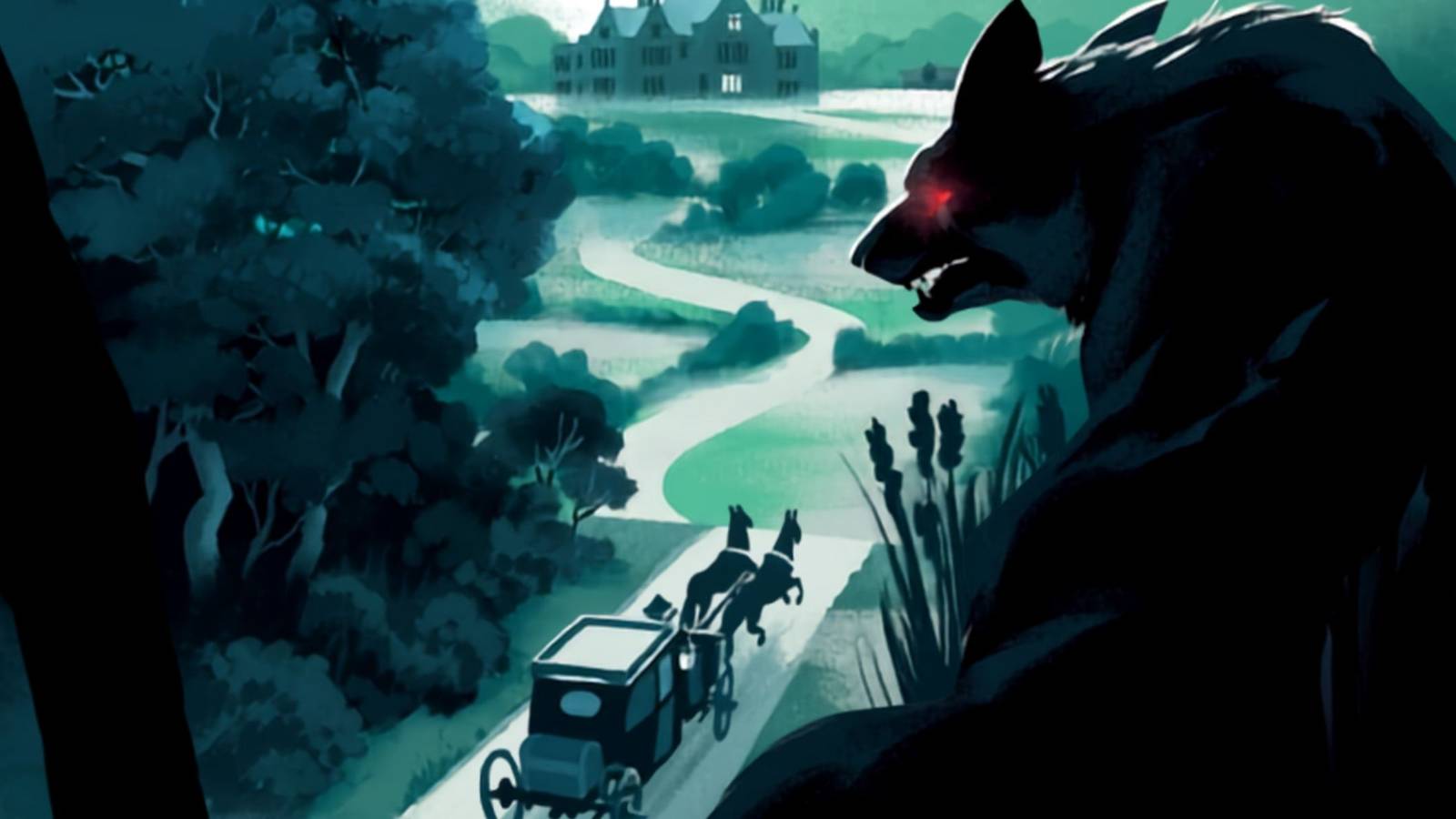
No list of genre-defining mysteries would be complete without Arthur Conan Doyle's The Hound of the Baskervilles (1902). Sherlock Holmes is the archetypal detective, and this novel is his most iconic case. The story of a spectral hound terrorizing the Baskerville family on the Devonshire moors is a perfect blend of Gothic horror and logical deduction. Doyle's ability to balance atmosphere with rational explanation has made this a touchstone for detective fiction, and its influence can be seen in everything from modern cozy mysteries to contemporary mystery films.
Beyond the Page
These books didn't just shape literature—they shaped how we consume mysteries across all media. Their tropes and structures are everywhere, from streaming thrillers to film adaptations. They've inspired countless authors, screenwriters, and showrunners, proving that a great mystery is more than just a puzzle—it's a blueprint for storytelling itself.
Whether you're a longtime fan or new to the genre, these masterpieces offer a masterclass in suspense, character, and plot. They remind us why we love a good mystery—and why the best ones never really go out of style.