Books and movies speak different languages. A novel can immerse you in a character's thoughts, paint with words, and bend time and space through prose. But translating that magic to the screen? That's a whole other beast. For years, certain books were labeled 'unfilmable'—too abstract, too sprawling, too weird. Yet, a handful of fearless directors took on the impossible and delivered films that not only honored the source material but became classics in their own right. Here are ten novels that defied expectations and made the leap from page to screen spectacularly.
Cloud Atlas (2004)
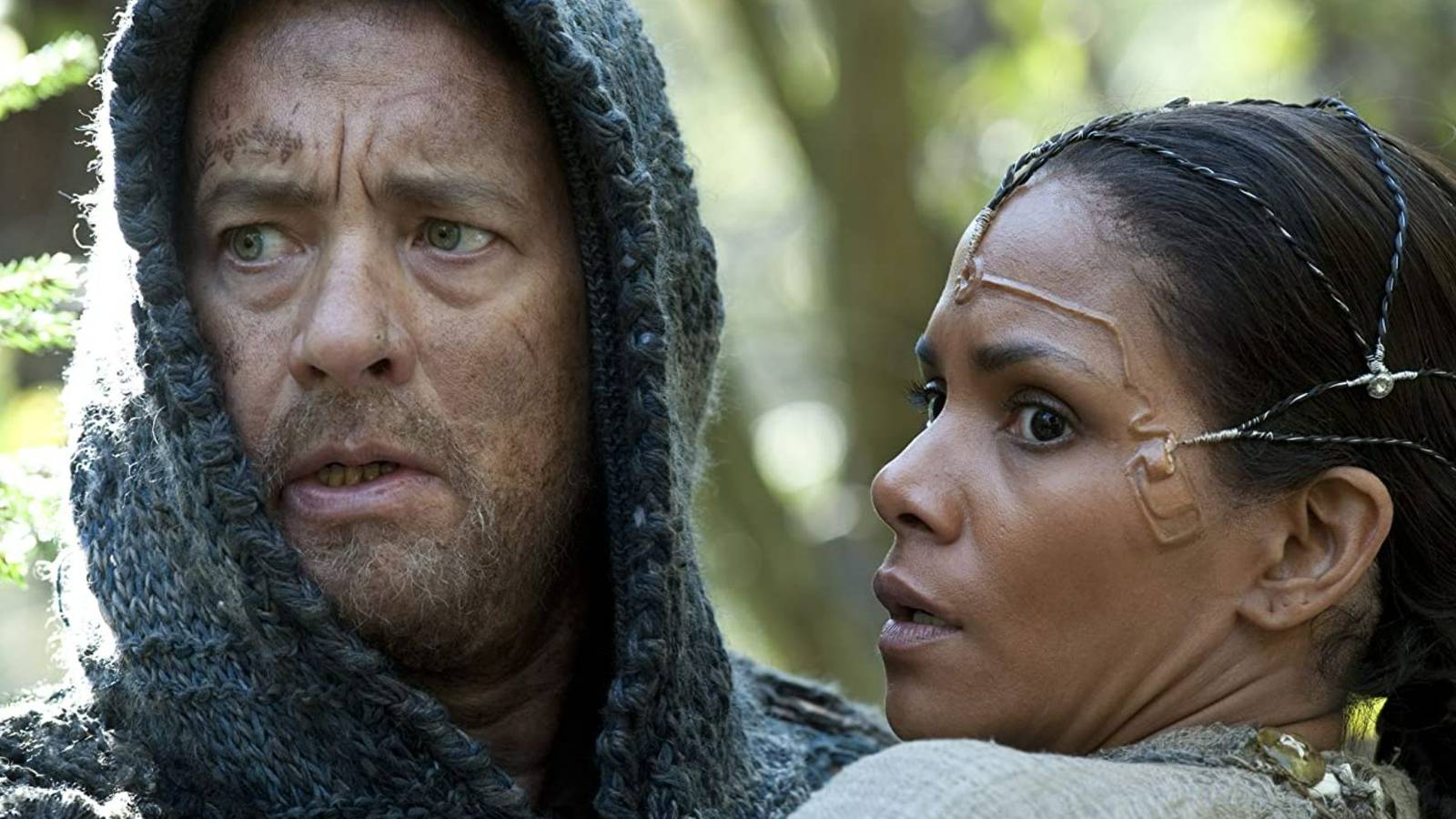
David Mitchell's Cloud Atlas is a literary jigsaw puzzle, weaving six stories across centuries, from a 19th-century voyage to a post-apocalyptic future. Each tale has its own genre and voice, and the novel famously cuts each story mid-action before circling back. It's a book that lives in its characters' inner worlds, which seems like a nightmare for any screenwriter. Yet the Wachowskis and Tom Tykwer pulled it off, using recurring actors across timelines, clever editing, and visual motifs to create a cohesive, sweeping epic that captures the novel's grand themes without losing the audience.
Fear and Loathing in Las Vegas (1971)
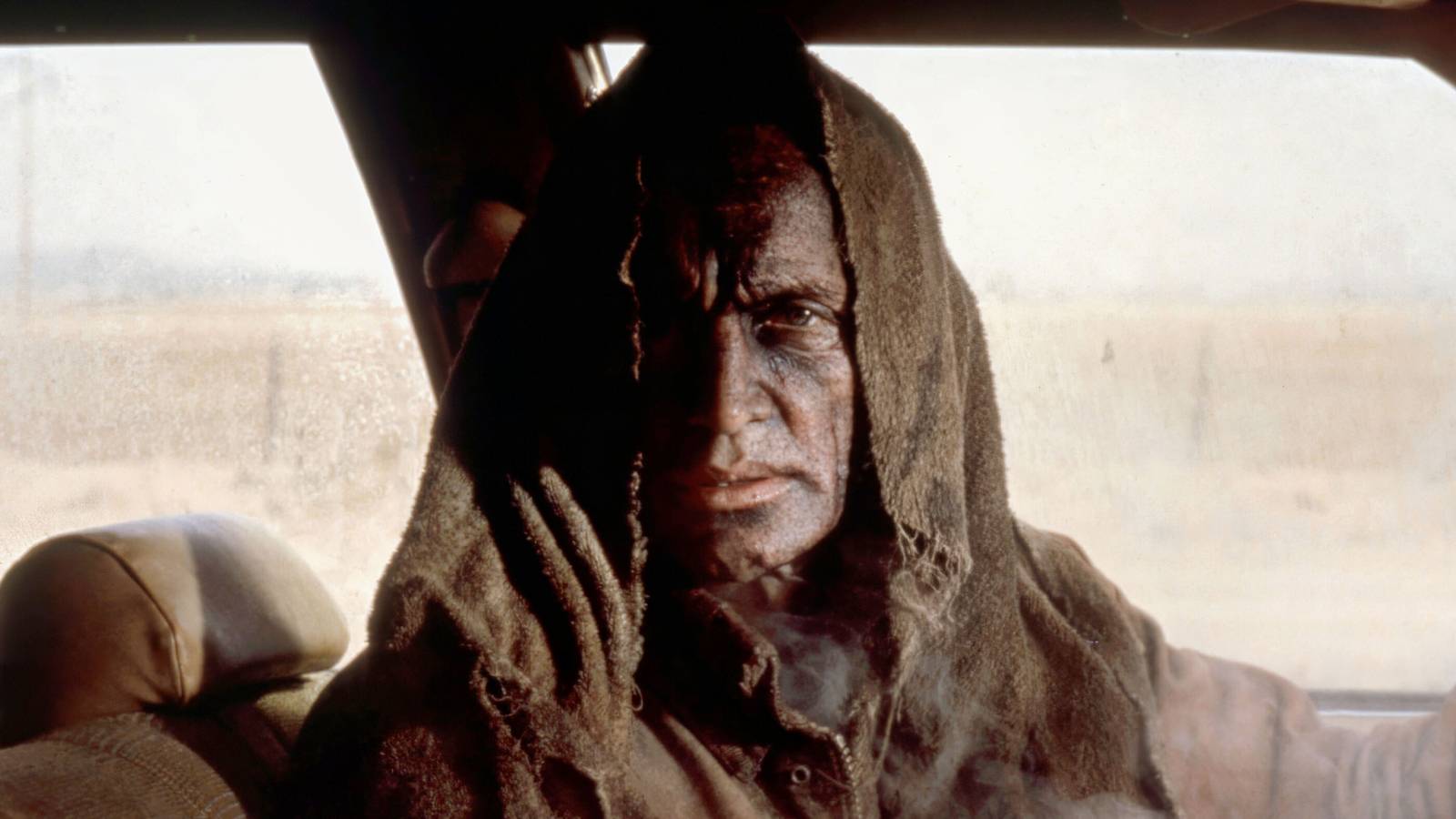
Hunter S. Thompson's gonzo masterpiece is less a story and more a hallucinatory trip. Journalist Raoul Duke and his attorney Dr. Gonzo tear through Vegas on a drug-fueled odyssey, and the book's power lies in its chaotic, perception-bending narrative. How do you film a fever dream? Terry Gilliam's answer was to embrace the madness: distorted lenses, grotesque visuals, and unhinged performances from Johnny Depp and Benicio del Toro recreate the novel's paranoid, surreal atmosphere with startling fidelity.
Naked Lunch (1959)
William S. Burroughs' novel is a fragmented, often nonsensical journey through addiction and paranoia, with no conventional plot. David Cronenberg, a master of body horror, took a clever approach: instead of a literal adaptation, he blended the novel with Burroughs' own life, creating a film about a writer entangled with giant talking insects and secret agents. The result is a bizarre, unsettling, and strangely faithful distillation of Burroughs' mindset.
A Clockwork Orange (1962)
Before Stanley Kubrick, many thought Anthony Burgess' dystopian tale was too violent and too linguistically challenging to film. The invented Nadsat slang and the unapologetic brutality seemed like box-office poison. But Kubrick found cinematic solutions: voice-over to demystify the slang, and a stylized, almost balletic approach to violence that made it shocking yet watchable. The result is a film so iconic it's hard to imagine a time when it seemed impossible.
A Scanner Darkly (1977)
Philip K. Dick's sci-fi novel about drug addiction and surveillance is told through a fragmented, unreliable narrative. Richard Linklater's adaptation used rotoscope animation to create a dreamlike, disorienting visual style that mirrors the protagonist's deteriorating mind. The technique, combined with a stellar cast including Keanu Reeves and Robert Downey Jr., makes the film a unique and faithful translation of Dick's paranoid vision.
Dune (1965)
Frank Herbert's Dune is a behemoth of world-building, politics, and philosophy, with a dense mythology that spans planets and millennia. Early attempts to film it were disastrous, but Denis Villeneuve's recent two-part adaptation proved that with patience and vision, it could be done. Villeneuve's films capture the epic scale and intricate detail of the novel, making it a cinematic event that even the most devoted fans could embrace.
American Psycho (1991)
Bret Easton Ellis' novel is a satirical horror story told from the mind of a serial killer, filled with graphic violence and consumerist critique. The challenge was making a film that didn't glorify the violence but still captured the book's dark humor and social commentary. Mary Harron's adaptation, starring Christian Bale, walks that tightrope perfectly, turning Patrick Bateman into a chillingly charismatic monster and a sharp critique of 1980s yuppie culture.
Watchmen (1986)
Alan Moore's graphic novel is a dense, multi-layered deconstruction of the superhero genre, with a complex plot and a cast of morally ambiguous characters. Many thought it was too intricate for a single film, but Zack Snyder's adaptation, while not perfect, managed to bring the story to life with stunning visuals and a faithful tone. It's a testament to the power of the source material and the ambition of the filmmaker.
The Road (2006)
Cormac McCarthy's post-apocalyptic novel is bleak, sparse, and almost entirely internal, focusing on a father and son's journey through a dying world. The prose is minimalist, and the story is told through the father's thoughts. John Hillcoat's film adaptation, starring Viggo Mortensen, captures the novel's desolation and emotional core, using visuals and performances to convey what the book expressed through words.
Life of Pi (2001)
Yann Martel's novel is a philosophical tale about a boy stranded on a lifeboat with a Bengal tiger, blending realism with magical elements. The story is told through Pi's memories, making it a challenge to translate to the screen. Ang Lee's 3D adaptation is a visual marvel, using stunning effects to bring the tiger and the ocean to life, while still preserving the novel's spiritual and emotional depth. It's a rare case where the film enhances the book's wonder.
These films prove that 'unfilmable' is just a challenge, not a verdict. With creativity and boldness, directors can turn even the most daunting novels into unforgettable cinema. For more on movies that defy expectations, check out our list of underrated superhero films or dive into some pure fun sci-fi.