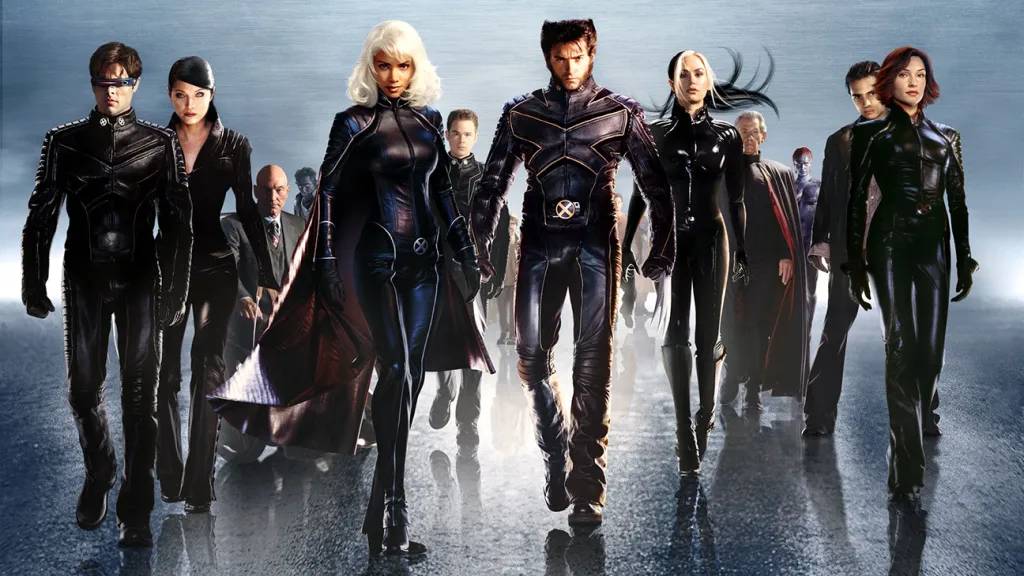
After nearly two decades of dominance, the Marvel Cinematic Universe is finally rolling out the red carpet for the X-Men. We've had hints—a wink in Ms. Marvel, a multiversal romp in Deadpool & Wolverine—but now it's official: a full reboot is on the way, directed by Jake Schreier, the mind behind Thunderbolts*. Yet, as the MCU gears up to introduce its own merry mutants, it's stepping into a minefield. The Fox-era X-Men films, which ran from 2000 to 2020, didn't just set a precedent—they built a towering legacy that could easily crush a fresh start.
The challenge is immense. The X-Men are the longest-running live-action Marvel franchise, with a sprawling cast of characters and decades of storylines. A reboot has to introduce all that to a new generation while satisfying die-hard fans. The Fox films laid a rock-solid foundation, taking the source material seriously from the very first scene—a haunting flashback to a WWII concentration camp. That gravitas, paired with a deep dive into the social allegory of mutants as an oppressed minority, set a tone that was both respectful and revolutionary for its time.
But the real magic was in the casting. Hugh Jackman's Wolverine and Patrick Stewart's Professor X became cultural icons, so synonymous with their roles that recasting feels almost sacrilegious. The franchise only grew bolder, with X-Men: First Class in 2011 proving that a prequel could be both a critical and commercial hit. By the time the Fox universe concluded, it had introduced a vast array of characters and adapted some of the most beloved comic arcs, setting a bar that's almost impossibly high.
Now, the MCU is essentially starting from scratch. They're recasting iconic roles and crafting a new take on the mutant mythos. But here's the rub: the MCU has already confirmed that the Fox universe exists as a parallel timeline. That means the old versions aren't just forgotten—they're canon. And with Stewart and Ian McKellen reportedly returning in Avengers: Doomsday, the new cast will be directly compared to their predecessors. It's a no-win situation for the newcomers, who have to live up to performances that fans have cherished for decades.
This isn't just about recasting; it's about reimagining. The MCU has a chance to do something fresh, but it also risks alienating fans who grew up with the Fox films. The pressure is on to deliver a version that feels both new and respectful of what came before. It's a delicate balance, and one wrong move could send the franchise into a tailspin.
But there's a glimmer of hope. The MCU has a knack for reinvention, as seen with Spider-Man's seamless integration into the shared universe. And with the animated X-Men '97 proving that the mutants can thrive in new formats, there's a blueprint for success. The key will be to embrace the legacy while carving out a distinct identity—something the MCU has done time and again.
Ultimately, the X-Men reboot is a gamble. It could be a triumphant new chapter or a cautionary tale of hubris. The fans are watching, the comparisons are inevitable, and the stakes couldn't be higher. Only time will tell if the new X-Men can rise from the ashes of Fox's empire or be buried beneath it.