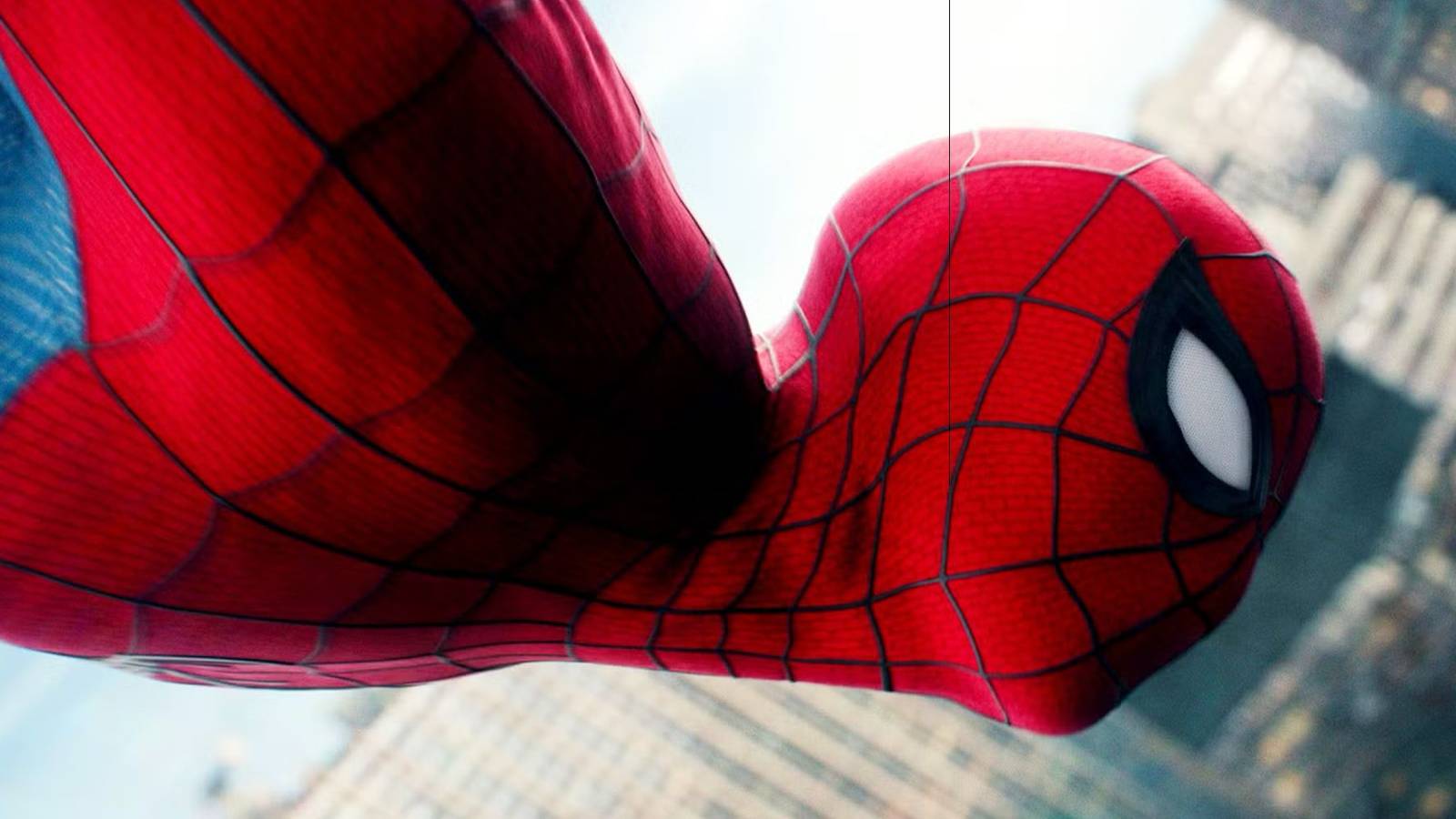
For nearly two decades, the Marvel Cinematic Universe has built its reputation on a simple promise: everything is connected. Heroes collide, battles leave scars, and every story ripples into the next. At its peak, that interconnectedness made the MCU feel revolutionary. But somewhere along the line, the shared universe became the main event instead of the backdrop. Too many Marvel movies have paused to remind you they're part of something bigger, whether it's teasing the next crossover or introducing a shiny new hero. Spider-Man: Brand New Day finally flips that script, and it's the best use of the MCU we've seen in years.
Peter Parker Lives in the MCU Without Being Defined by It
The surprise isn't that Brand New Day embraces the larger Marvel world—it's how effortlessly it does. Peter Parker's (Tom Holland) life is undeniably shaped by superheroes. The Department of Damage Control is still cleaning up after powered folks. Yelena Belova (Florence Pugh) has become a trusted ally for intel. Bruce Banner (Mark Ruffalo) offers scientific wisdom born from his own struggle with an uncontrollable transformation. Frank Castle (Jon Bernthal) brings a brutal philosophy that clashes with Peter's own. Any of these could have been a cheap cameo designed for applause. Instead, each one serves Peter's story. Banner isn't here to tease a Hulk sequel. Yelena doesn't hijack the plot for her next mission. Castle isn't just fan service. They all show up because Peter needs something from them at that moment—knowledge, perspective, or a challenge to his beliefs. That's how a shared universe should work: the connections make Peter's world feel real without ever pushing him out of the spotlight.
Every MCU Connection Pushes Peter's Story Forward
This approach works because every Marvel element reinforces the movie's central theme instead of distracting from it. After No Way Home, Peter has spent years convinced that being Spider-Man means being alone. Everyone he loved forgot him, and he's sure isolation is the price of protecting them. The wider MCU keeps challenging that idea. Banner helps Peter understand the terrifying mutations overtaking his body, but he also shows that you can live with powers that once consumed you. Yelena proves Peter doesn't have to solve every mystery solo. Castle embodies the dark path Peter could slip down—one driven by anger and loss rather than compassion. None of these supporting players steal the show because they aren't the emotional payoff. They're guideposts on Peter's journey to realizing that accepting help isn't weakness. That's a far smarter use of crossover characters than just having them pop in for a round of applause.
Jean Grey Proves the MCU Doesn't Need Bigger Stakes to Feel Bigger
Marvel movies often try to make the universe feel vast by raising the stakes—bigger invasions, bigger villains, bigger battles. Brand New Day takes a different route. Jean Grey (Sadie Sink) is incredibly powerful, but the conflict isn't about stopping another apocalypse. It's about understanding someone whose grief has consumed her. Peter sees that before anyone else. Damage Control views Jean as a weapon. Frank Castle sees a threat too dangerous to live. Peter sees a person crushed by loss. That's why the climax lands so well. Instead of defeating Jean with brute force, Peter reaches her by letting her into his mind. She experiences Aunt May's unconditional love and sees someone who knows what it's like to lose everything yet still choose compassion. Peter literally steps between Jean and Castle's bullet, nearly sacrificing himself to save someone everyone else had written off. It's a deeply personal ending that still feels inseparable from the larger MCU. Damage Control's corruption, Banner's research, Castle's intervention, and Yelena's investigation all feed into the resolution, but none overshadow the emotional core.
The best shared universes don't constantly remind you they're shared—they just feel lived in. Brand New Day understands that superheroes should drift in and out of each other's lives without every encounter becoming the main event. Peter doesn't stop being the protagonist because Bruce Banner gives him advice. The movie doesn't suddenly become a Punisher story because Frank Castle shows up. These characters exist because this version of New York is full of heroes with their own lives and perspectives. That makes the MCU feel bigger than any multiversal crossover could. By the time Peter makes the simple choice to introduce himself to Ned again, the point is clear: Spider-Man no longer feels isolated from the world around him, and neither does the audience. The Marvel universe isn't pulling him away from his own story anymore—it's enriching it. That's the promise the MCU has always made, and Spider-Man: Brand New Day is the first Marvel movie in years to fully deliver on it.
For more on how this film fits into the larger Spider-Man saga, check out our breakdown of its hidden Easter eggs and the post-credits setup for a Venom showdown. And if you're curious about the character's history, our guide to Jean Grey has you covered.