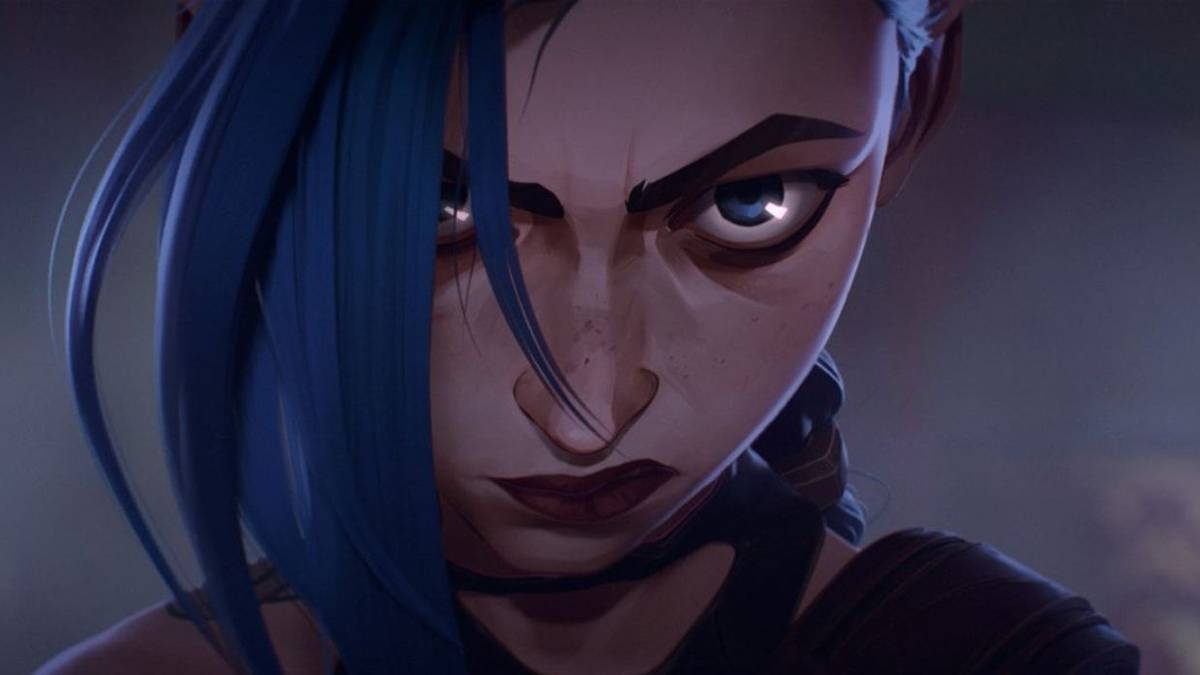
If you were captivated by the emotional depth and complex characters of Arcane, you're likely searching for a fantasy story that hits just as hard. While many recommendations focus on intricate magic systems or sprawling political landscapes, the true heart of Arcane lies in its raw, human drama—the painful bonds between family, the weight of loyalty, and the struggle to protect those we love. M.L. Wang's The Sword of Kaigen captures that same essence, making it a must-read for anyone who fell in love with Piltover and Zaun's fractured families.
A Story That Goes Beyond Epic Fantasy
On the surface, The Sword of Kaigen looks like a classic epic fantasy. It features an ancient empire, legendary warriors who wield ice as a weapon, and a brewing war that threatens everything. Fourteen-year-old Mamoru Matsuda has trained his whole life to defend his homeland, never questioning the stories he's been told. But Wang masterfully pulls the narrative inward, focusing not on the grand conflict but on the quiet, devastating truths that characters hide from each other—and themselves.
The novel's true secret weapon isn't Mamoru, however. It's his mother, Misaki. Initially appearing as a dutiful wife and quiet mother, Misaki slowly reveals herself to be one of fantasy's most compelling heroines. She once walked away from a life that demanded extraordinary things, and the years of marriage and motherhood have dulled her sharp edges—or so she believes. Wang doesn't treat Misaki's past as a twist; instead, her regrets seep into everyday conversations, the way she speaks to her children, and the silences she shares with her husband. By the time the story peels back her hidden life, it feels like finally understanding someone who has spent years pretending to be fine.
Elemental Battles and Emotional Devastation
Fans of Arcane know that the most memorable battles aren't just about spectacle—they're about what's at stake emotionally. The Sword of Kaigen delivers one of fantasy's most acclaimed action sequences, a brutal invasion where elemental combat feels tactile and every clash carries weight. But long after the fighting ends, it's the awkward family conversations that linger: parents trying—and failing—to protect their children from painful truths, and characters realizing that loyalty and love aren't always the same thing. The action exists to expose what characters refuse to admit until there's nowhere left to hide.
This approach to storytelling is what makes The Sword of Kaigen resonate so deeply with Arcane fans. Both stories understand that worldbuilding gets readers through the door, but characters are the reason they stay. Wang blends modern technology with rigid tradition in a way that feels refreshingly believable, much like the juxtaposition of Piltover's progress and Zaun's oppression. The world feels tangible, carrying pieces of the past into the present, whether the characters mean to or not.
A Standalone That Hits Like a Series
Fantasy readers are used to committing to sprawling series, but The Sword of Kaigen has the scope of a trilogy and the discipline of a standalone. Wang tells one complete story, squeezing every ounce of emotion out of it without overstaying its welcome. The novel delivers spectacular action, memorable worldbuilding, and enough political intrigue to satisfy epic fantasy fans, but its true power lies in its people—their mistakes, their grief, and their stubborn attempts to keep loving each other anyway.
If you're looking for more stories that blend emotional depth with stunning fantasy elements, check out our list of Forgotten Fantasy Gems: 7 Books That Hook You From Page One. And for those who want to explore other fantasy worlds that prioritize character over spectacle, Why These 7 Fantasy Novels Outshine Most Blockbuster Movies offers more recommendations. The Sword of Kaigen proves that the best fantasy isn't about the size of the map—it's about the size of the heart.