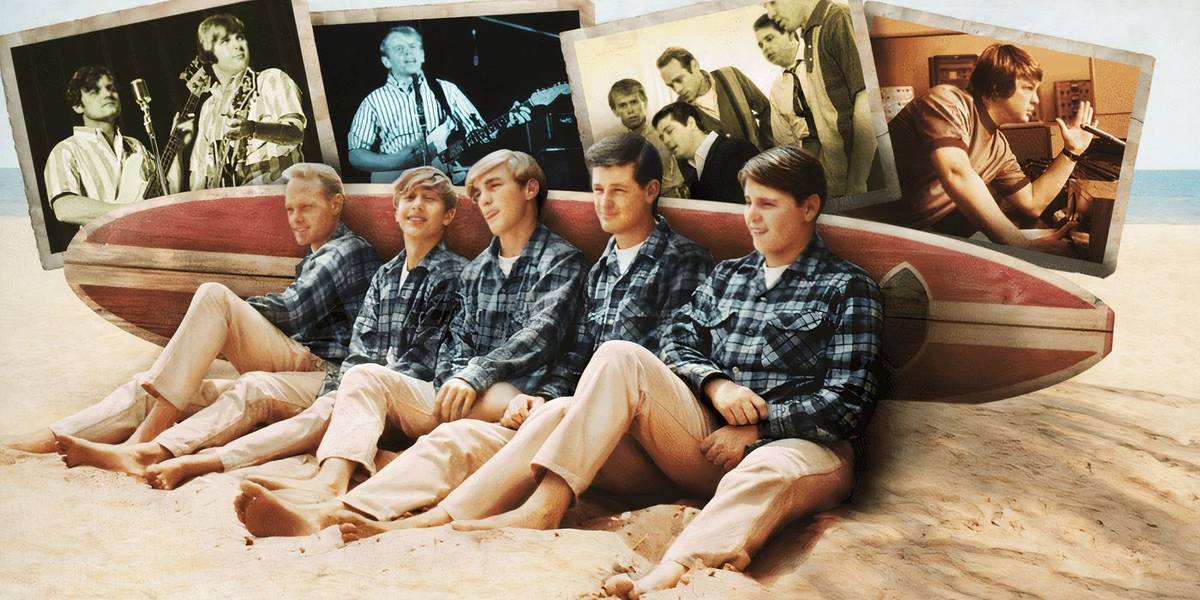
When you think of The Beach Boys, images of surfboards, sandy beaches, and endless summer days likely come to mind. But in 1966, the band released a song that quietly dismantled that entire persona. 'Caroline, No' isn't just a beautiful ballad—it's a confession, a lament, and a turning point that revealed the cracks beneath the California dream.
Written by Brian Wilson and Tony Asher, the track appears on the legendary album Pet Sounds. Unlike the upbeat harmonies of 'Surfin' USA' or 'Fun, Fun, Fun,' 'Caroline, No' is a slow, aching meditation on lost innocence and the passage of time. Wilson's fragile vocal delivery, paired with haunting instrumentation—including a theremin-like sound created by a sped-up recording of a dog bark—creates an atmosphere of profound melancholy.

The song's lyrics tell the story of a man who returns home to find his lover changed, her innocence gone. But on a deeper level, it reflects Wilson's own struggles with the pressures of fame, his deteriorating mental health, and the loss of his own youth. As a 1966 Beach Boys song laid bare Brian Wilson's deepest fear, 'Caroline, No' became a raw, personal statement that shattered the band's wholesome image.
The Birth of a Masterpiece
Recording sessions for Pet Sounds took place at Western Studios in Hollywood, where Wilson pushed the boundaries of pop music. He assembled a team of session musicians known as the Wrecking Crew, experimenting with unconventional instruments like the harpsichord, sleigh bells, and even a bicycle horn. The result was a lush, orchestral sound that was light-years away from the simple surf rock of the band's early hits.
Wilson later described 'Caroline, No' as one of the most personal songs he ever wrote. The track was originally titled 'Carol, I Know,' but Wilson changed it to 'Caroline, No' to avoid confusion with a previous song. The final version features a sped-up vocal effect that gives Wilson's voice an eerie, childlike quality—symbolizing the innocence that can never be reclaimed.
Why It Matters
At the time of its release, 'Caroline, No' was a commercial disappointment, peaking at No. 32 on the Billboard Hot 100. But its influence has only grown over the decades. Critics now hail it as one of the greatest songs ever recorded, and it paved the way for the introspective singer-songwriter movement of the late 1960s and 1970s.
The song also marked a turning point for The Beach Boys. While their earlier work celebrated the carefree California lifestyle, 'Caroline, No' revealed the emotional turmoil beneath the surface. It was a bold artistic statement that alienated some fans but earned the band a new level of respect from critics and fellow musicians.
For fans of epic battles and heartbreaking goodbyes, 'Caroline, No' offers a different kind of climax—one that's quiet, intimate, and devastating. It's a reminder that even the sunniest skies can hide storms, and that sometimes the most beautiful songs are the ones that break your heart.
Today, 'Caroline, No' stands as a testament to Brian Wilson's genius and his willingness to bare his soul. It's a song that continues to resonate with listeners who have ever felt the sting of change or the ache of a love that can never be the same. And in doing so, it forever changed how we see The Beach Boys—not just as purveyors of fun in the sun, but as artists capable of profound emotional depth.