Television has never shied away from stories about injustice, but the real challenge is telling them with humanity rather than just making a statement. That's exactly why The Red Line still resonates seven years after its 2019 debut on CBS. This eight-episode limited series arrived during a national reckoning over police violence and systemic racism—a conversation that has only grown more urgent. Its questions haven't aged a day.
Executive produced by Ava DuVernay and Greg Berlanti, The Red Line opens with a devastating tragedy and then expands into a richly layered narrative. Instead of treating a fatal police shooting as an isolated incident, the show explores the ripple effects on multiple families. It's an emotionally heavy watch, but one that rewards viewers with nuanced performances, complex relationships, and a willingness to tackle tough conversations without losing sight of the people at the center.
The Human Cost Behind One Tragic Moment
The series begins with Harrison Brennan (Corey Reynolds), a respected Black ER doctor, stopping at a store on his way home to his husband Daniel Calder (Noah Wyle) and their daughter Jira (Aliyah Royale). When a robbery goes wrong, Harrison tries to help the wounded cashier, but a police officer mistakenly identifies him as a suspect and shoots him in the back, killing him instantly.
From there, The Red Line follows three interconnected families as they grapple with the aftermath. Daniel struggles to hold his family together while mourning his husband; teenage Jira searches for her identity amid profound loss; attorney and aspiring city council candidate Tia Young (Emayatzy Corinealdi) finds an unexpected connection to the family; and Officer Paul Evans (Noel Fisher) and his family confront the shooting from the other side.
The show's title refers to Chicago's Red Line train, a symbol of how people from different backgrounds and social strata are connected through shared experiences and communication. It's a fitting metaphor for a series that emphasizes our common humanity.
Noah Wyle Anchors an Ensemble That Never Loses Sight of Its Characters
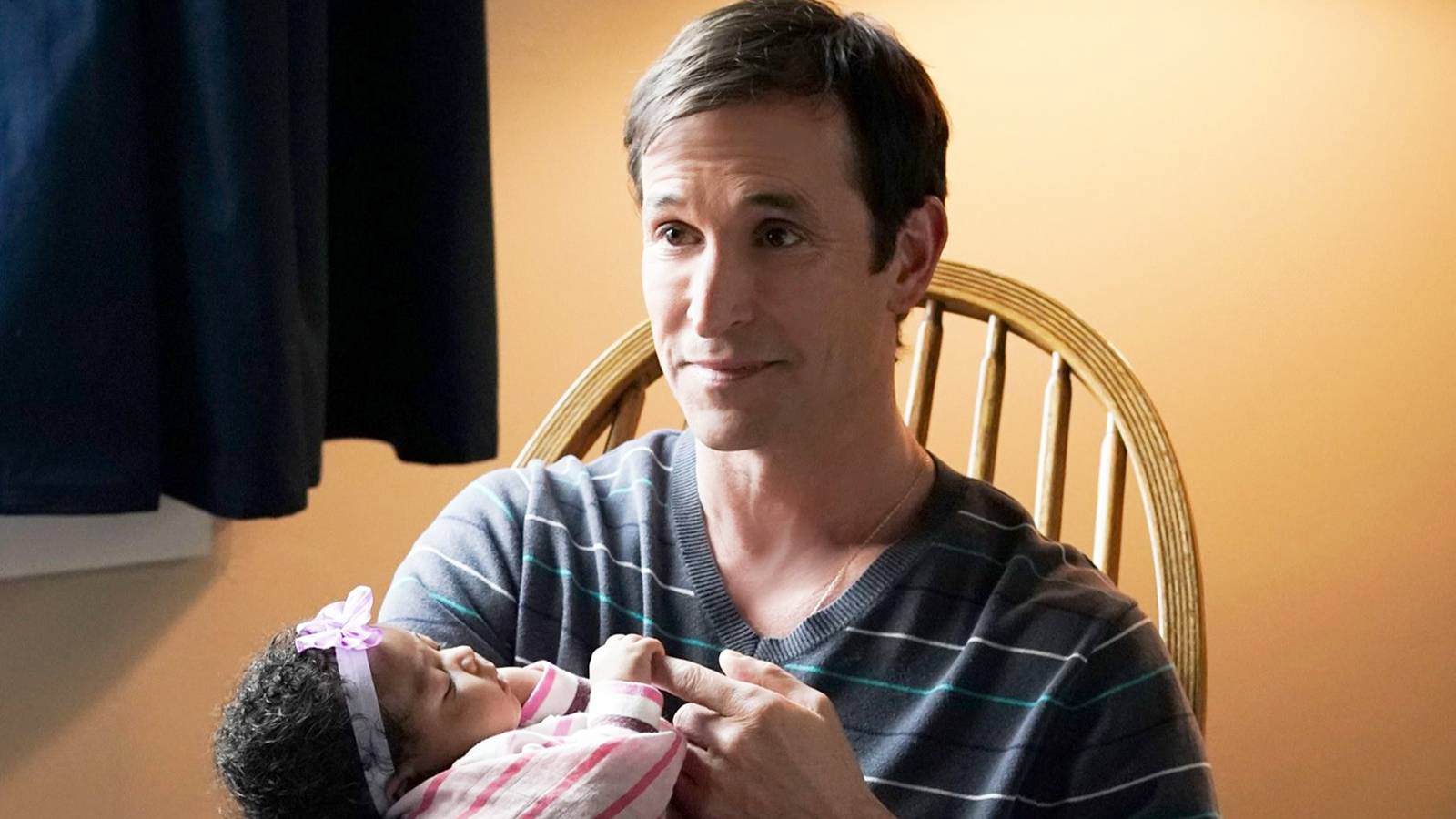
The themes are undeniably heavy, but The Red Line's greatest strength is that it never reduces its characters to political talking points. Each storyline is driven by emotional truths—loss, family, identity. Wyle delivers one of the finest performances of his career as Daniel, a husband trying to parent through unimaginable heartbreak while navigating his own place in a national conversation. His restraint makes Daniel's emotional breakdowns all the more devastating, and the show wisely allows him to be more than just the grieving spouse.
Royale is equally compelling as Jira, whose search for belonging becomes one of the show's emotional pillars. Having lost the parent who most understood her experiences as a young Black woman, Jira questions where she fits and what family means after tragedy reshapes her life. Corinealdi brings depth to Tia, whose political ambitions are intertwined with deeply personal choices. The show illustrates how public duties and private grief can clash in uncomfortable ways.
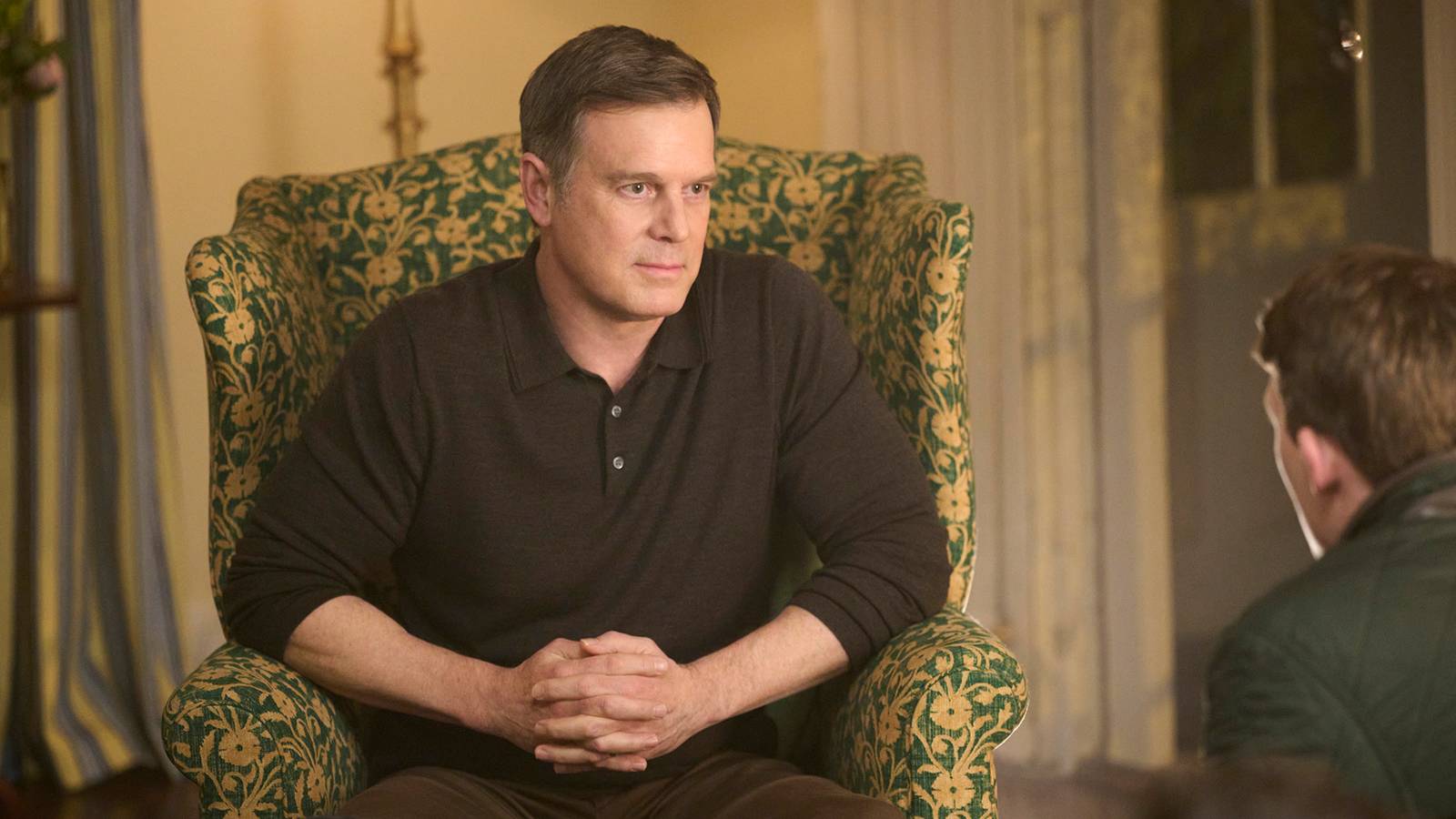
Even Paul, the officer responsible for Harrison's death, is portrayed with complexity. The series acknowledges his remorse and the systemic pressures of policing without absolving him of responsibility. It's a nuanced approach that avoids easy villainy.
Why It's Still Relevant in 2026
The Red Line tackles police accountability, racial profiling, adoption, political activism, LGBTQ+ families, disability, community identity, and systemic inequality—but it never feels like a checklist. These issues arise organically from the characters' experiences.
The show powerfully illustrates that trauma doesn't end when the cameras leave. Legal proceedings and public investigations shatter relationships and cause lasting pain, even after the initial tragedy fades from headlines. Watching it today, it's striking how little has changed. Questions about policing, trust, accountability, and racial equality remain as pressing as ever, making the series feel startlingly current.
Broadcast television rarely takes such risks these days. In 2019, The Red Line stood out as a bold departure for CBS, blending intimate storytelling with topics other dramas avoided. Rather than offering easy answers, it shows us the lives of people forever changed by violence and injustice—and that's exactly why it deserves a second look. If you're a fan of Noah Wyle's recent work on The Pitt, this is a must-watch. And for those who appreciate character-driven dramas, it's a hidden gem that rivals even Patriot in its cult appeal.