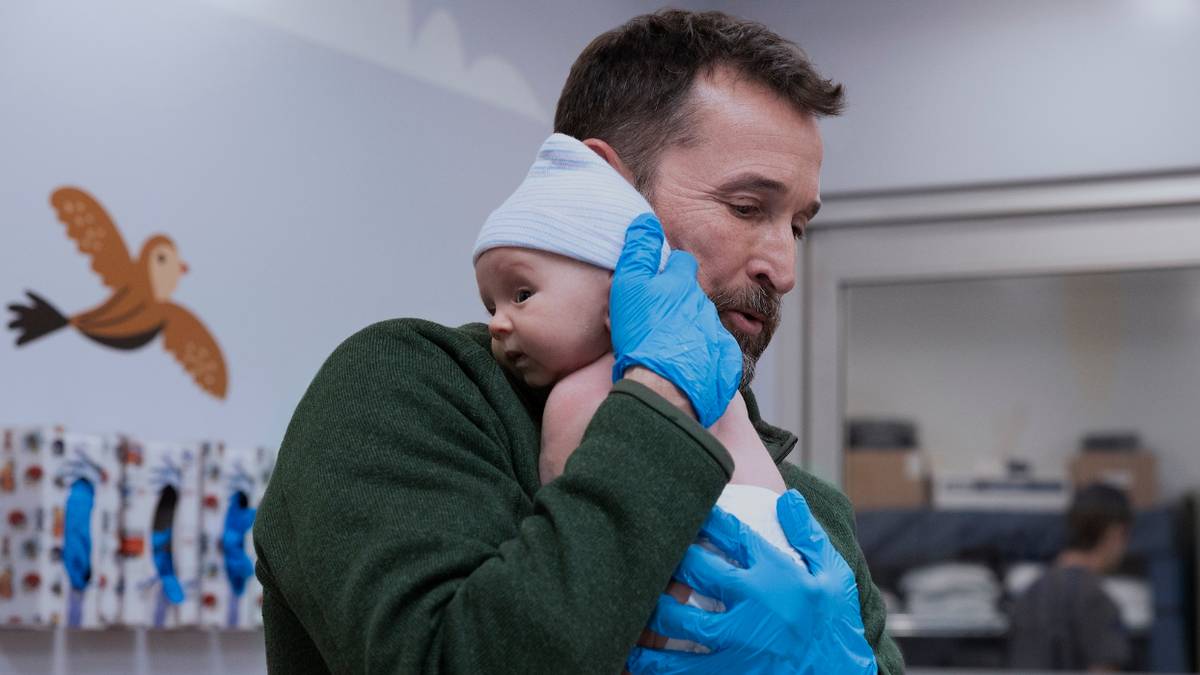
Medical dramas have always had a place on television, but The Pitt reminded us why the genre endures: it's about the people, not just the medicine. The HBO Max series thrives on its relentless pace, gritty hospital setting, and the bonds forged between doctors, nurses, and patients during their shifts. If you've already binge-watched every episode and are craving more of that character-first storytelling, there's a hidden gem from a decade ago that deserves your attention.
Fox's Red Band Society aired for just one season in 2014 before quietly disappearing. Though it didn't set the ratings on fire, it left a lasting impression on those who found it. Critics were divided, but the performances—especially Octavia Spencer's—earned praise, and fans have long argued the show deserved more than its 13 episodes. Beneath its glossy network-TV surface lies an earnest, surprisingly moving ensemble drama that captures the strange sense of family a hospital can create.
A Hospital Becomes a Second Home
Set in the pediatric wing of Ocean Park Hospital, Red Band Society follows a group of teenagers living with serious illnesses. Cancer, cystic fibrosis, heart disease, anorexia—these conditions have forced them to spend months or even years inside hospital walls, where they've built a community all their own. The show's title comes from the red wristbands every patient wears, turning a symbol of illness into one of belonging.
At the center is Leo (Charlie Rowe), a teenage cancer survivor adjusting to life after losing a leg. Around him are newcomer Jordi (Nolan Sotillo), brilliant but struggling Emma (Ciara Bravo), wisecracking Dash (Brian "Astro" Bradley), recovering mean girl Kara (Zoe Levin), and Charlie (Griffin Gluck), a young patient in a coma who narrates the series.
That last detail sounds odd on paper, and it's one of the show's biggest creative swings. Charlie's narration gives the series an almost fairy-tale quality, allowing it to move between humor, hope, and heartbreak without becoming overwhelmingly bleak. The premise occasionally asks viewers to suspend disbelief, but it's in service of reminding us that these kids are still living their lives, even if those lives happen to unfold inside a hospital.
Like 'The Pitt,' Characters Matter More Than Medicine
Unlike many medical dramas that revolve around difficult diagnoses or miraculous surgeries, The Pitt succeeds because every patient feels like a person first. Red Band Society approaches medicine with a similar philosophy. Surgeries happen, emergencies interrupt quiet moments, doctors race against the clock, but the show's emotional core lies elsewhere. Friendships formed in clinics are a big feature, alongside handling bad news, the complicated first love of emerging as a teenager, and trying to make the memories of adolescence happen in a setting that isn't very conducive to that sort of growth.
The adult actors also manage to create this balance. Dave Annable brings warmth as Dr. Adam McAndrew, but the standout is Octavia Spencer as Nurse Dena Jackson. Dena is tough, sarcastic, and fiercely protective of her patients, contributing to the hospital's emotional atmosphere. Spencer reveals a vulnerable side that isn't obvious at first, making audiences deeply engaged and empathetic. The series doesn't try to impress viewers with the idea of how wonderful doctors are, but rather shows them as real people with the knowledge and experience to help others. Nurse Jackson fits comfortably into that tradition.
One Season Was Never Enough
When Red Band Society first aired, critics were hesitant about the premise. The production values were high, but the formula sometimes felt a bit manipulative when it tried to be sentimental. However, noticing a show's flaws doesn't diminish its strengths. The cast has undeniable chemistry, creating believable friendships. The show balances comedy well without glossing over life-threatening diseases. The writers declined to label the characters as caregivers, and their personalities are full of contradictions.
The Pitt is ultimately a more grounded, more mature drama; it isn't trying to accomplish the same thing as Red Band Society did, nor should it. But both series show that hospitals are places where strangers can become families, where impossible decisions have to be made, and where hope often comes from the people standing beside you rather than the medicine itself. If you're looking for another show that captures that spirit, why Noah Wyle's ER remains the ultimate medical drama is worth revisiting too. And for more hidden gems, check out these forgotten sci-fi films that deserve a second look.