When Led Zeppelin dropped their first two albums, they were already making waves with a heavy, blues-infused sound that set them apart from the pack. But it was their third record, Led Zeppelin III, that truly turned them into legends. Released in 1970, this album marked a daring departure from their earlier work, blending acoustic folk with thunderous hard rock in a way that had never been done before. It wasn't just a step forward—it was a leap into a new genre that would come to be known as folk-metal.
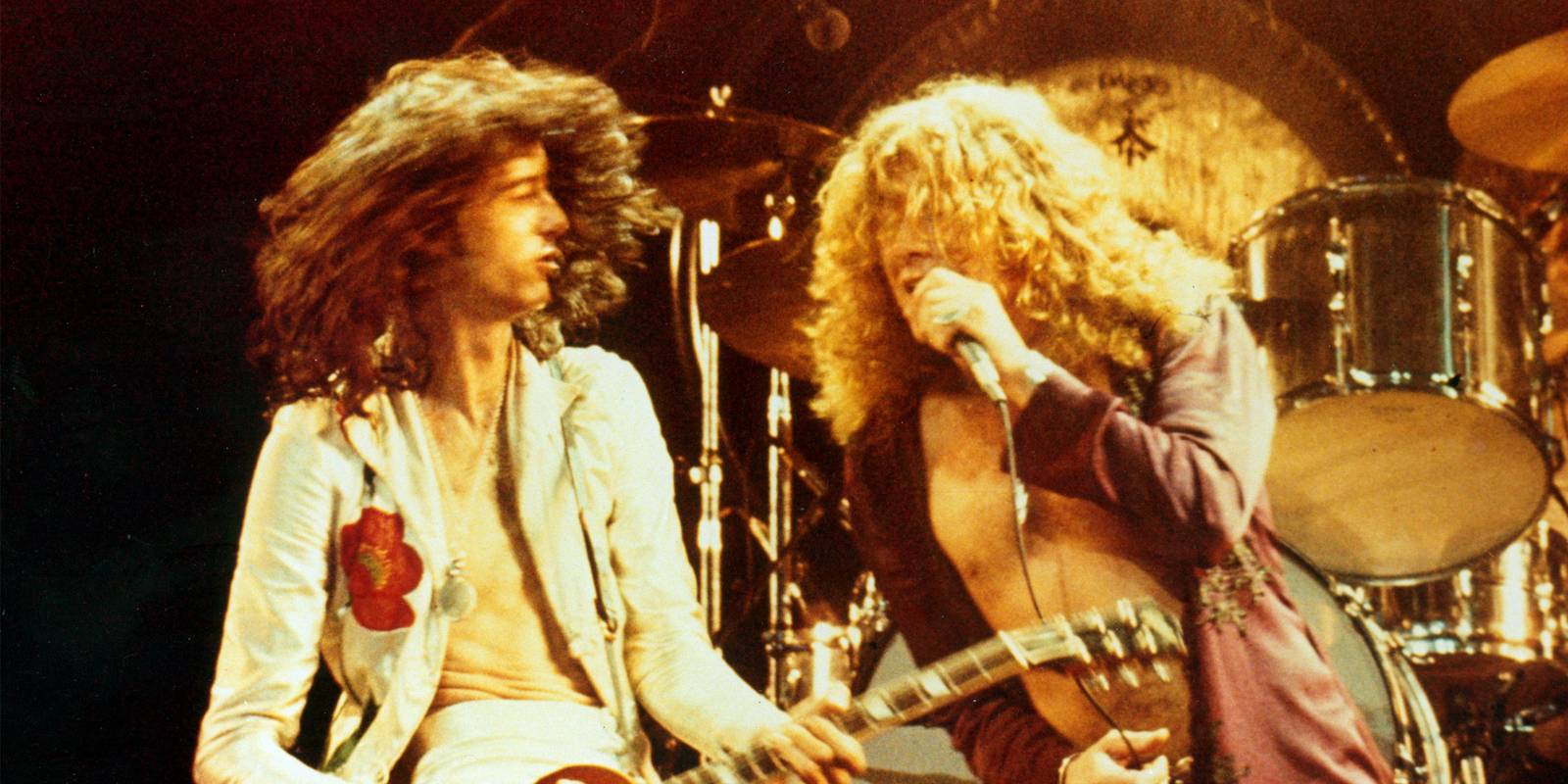
The band's decision to embrace folk influences wasn't random. After relentless touring, Jimmy Page and Robert Plant retreated to a remote cottage in Wales, where they immersed themselves in traditional music and the natural landscape. That rustic setting infused songs like "Immigrant Song" and "Since I've Been Loving You" with a raw, earthy energy. The acoustic tracks, such as "Gallows Pole" and "That's the Way," showcased a softer side, but the electric numbers hit with a force that redefined heavy rock. This fusion of delicate melodies and crushing riffs was revolutionary.
The Folk-Metal Blueprint
What made Led Zeppelin III so groundbreaking was its seamless blend of genres. The album didn't just dabble in folk—it fully committed, weaving mandolins, acoustic guitars, and layered harmonies into the fabric of hard rock. Tracks like "Bron-Y-Aur Stomp" feel like a campfire sing-along, while "Out on the Tiles" punches with a groove that's pure metal. This duality became the blueprint for countless bands that followed, from Jethro Tull to modern acts like Fleet Foxes and Mastodon. It's no wonder this album is often cited as a key influence in the rock canon.
The album's production also pushed boundaries. Page's innovative use of recording techniques—like close-miking acoustic instruments and layering multiple guitar tracks—created a rich, textured sound that felt both intimate and epic. This approach would later inspire the live albums of the 80s, where artists sought to capture that same raw energy. But in 1970, it was a gamble. Critics were initially divided, with some praising the experimentation and others missing the straightforward blues of earlier records.
Legacy and Impact
Despite mixed initial reviews, Led Zeppelin III has since been recognized as a masterpiece. It reached number one on both the UK and US charts, proving that the band's risk-taking paid off. More importantly, it solidified Led Zeppelin's identity as more than just a blues-rock act—they were innovators who could weave any influence into their sound. The album's folk-metal fusion opened doors for future genres, from progressive rock to alternative metal. Even today, its influence can be heard in the work of artists like Black Sabbath and beyond.
For fans, Led Zeppelin III remains a pivotal moment. It's the album where the band stopped following trends and started setting them. The cover art—a spinning wheel of images—mirrors the album's eclectic nature: each song is a different snapshot of the band's evolving sound. Whether you're a die-hard Zeppelin fan or a newcomer to their catalog, this record is essential listening. It's not just their greatest album; it's the one that turned them into legends.
In the end, Led Zeppelin III stands as a testament to the power of artistic growth. By embracing folk and metal, the band created something timeless. It's a reminder that the best music often comes from taking risks—and that sometimes, the most unexpected combinations can lead to greatness. For those looking to explore more genre-defining albums, check out our list of hidden gems that rival cinema's best.