Steven Spielberg has spent decades turning the impossible into cinematic reality. From the terror of a hidden shark in Jaws to the wonder of alien visitors in Close Encounters of the Third Kind and E.T., he's a master of spectacle. But his most enduring legacy might be his dinosaurs—first as a producer on The Land Before Time, then as the director of Jurassic Park and its sequel. In 2026, the 79-year-old filmmaker returned to his prehistoric obsession as executive producer of Netflix's The Dinosaurs, a four-part docuseries narrated by Morgan Freeman that has become a streaming phenomenon.
Released in March, The Dinosaurs has been a slow-burn hit, amassing nearly 100 million viewing hours in the first half of 2026, according to Netflix's latest engagement report. That's a remarkable feat for a documentary, especially one that could easily have been overshadowed by flashier scripted fare. But Spielberg's name, combined with the visual wizardry of Industrial Light & Magic (ILM), has turned this into must-watch television.
A Visual Feast That Rivals Jurassic Park
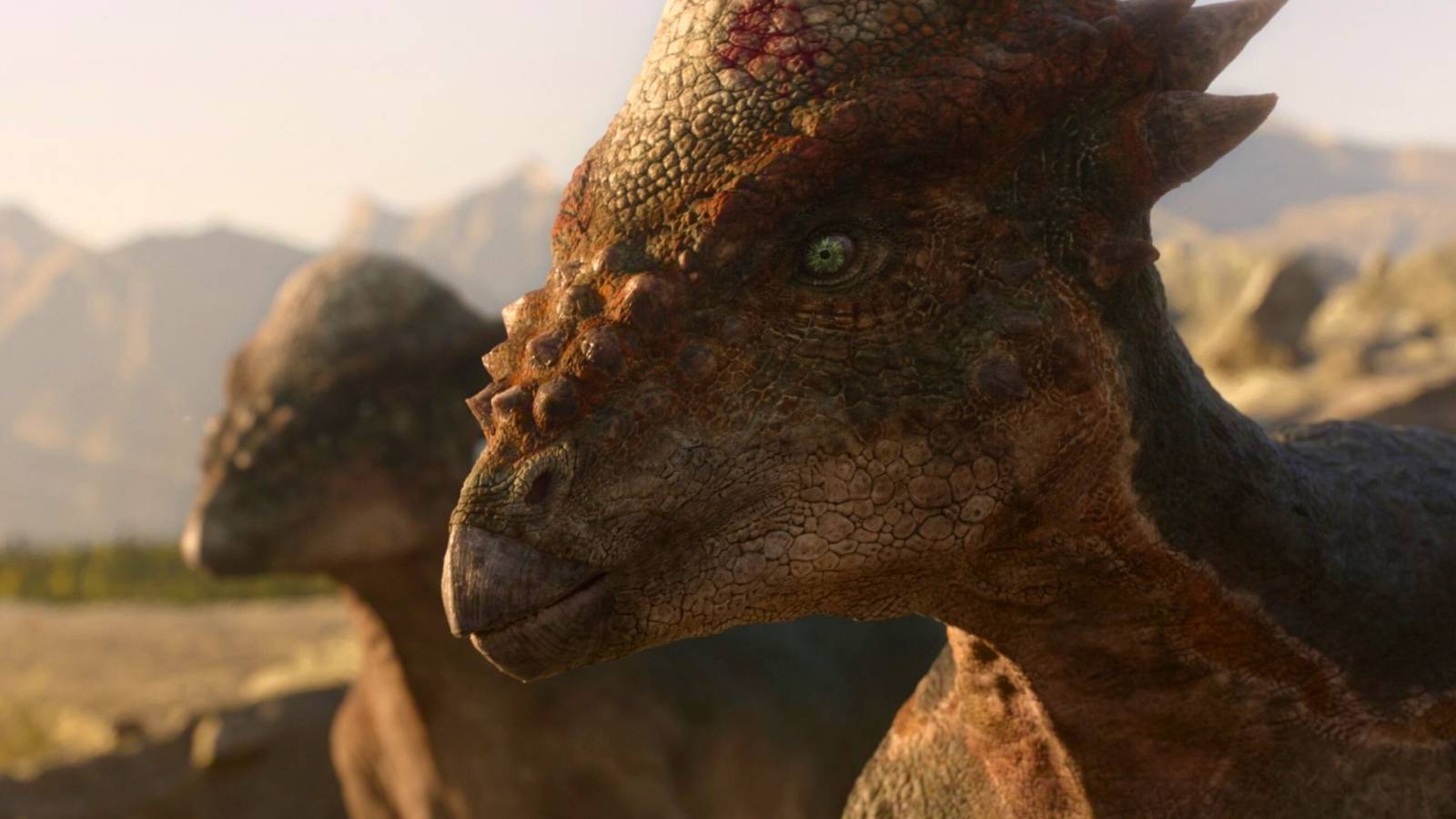
What made Jurassic Park a landmark in 1993 wasn't just the story—it was the groundbreaking effects. ILM's CGI and Stan Winston's animatronics made dinosaurs feel tangible, as if you could reach out and touch their scales. The Dinosaurs leans into that same legacy, with ILM crafting creatures so lifelike they seem ready to step off the screen. From the armored plates of a Triceratops to the feathery wings of a Hesperornis, every detail is rendered with painstaking care.
But the series doesn't stop at the animals themselves. The environments are equally immersive—a blade of grass swaying in the wind gets as much attention as a volcanic eruption that spells doom for an entire species. It's a visual spectacle that transports viewers millions of years into the past, making you feel like you're walking alongside these ancient giants.
An Emotional Journey Through Time
If you've seen Spielberg's earlier Netflix effort, Life on Our Planet (also narrated by Freeman), you know he can make natural history compelling. But The Dinosaurs takes a different approach: instead of a broad overview, it follows individual dinosaurs through their lives, turning survival into a personal saga. You'll find yourself rooting for a single creature as it navigates predators, changing climates, and the relentless march of evolution.
It's this emotional core that sets the series apart. Watching a dinosaur struggle to protect its young or find food in a harsh landscape is surprisingly moving—you might even shed a tear. The result is a documentary that feels less like a nature special and more like a character-driven drama, which explains its staying power on Netflix.
Streaming Numbers That Speak Volumes
When The Dinosaurs debuted, it pulled in 10.4 million views in its first week, and the Jurassic World movies simultaneously dominated Netflix's U.S. Top 10. But unlike many shows that spike and fade, this one kept growing. By July, Netflix's "What We Watched the First Half of 2026" report revealed the series had accumulated nearly 100 million viewing hours—a testament to its timeless appeal.
In a streaming landscape where content is often here today and gone tomorrow, The Dinosaurs is proving to be a durable favorite. It's not just a flash in the pan; it's a cultural touchstone that reminds us why we've always been fascinated by these creatures. And with Spielberg's guiding hand, it's a journey worth taking again and again.
If you're looking for more prehistoric action, check out this fantasy flop's second chance on Netflix, or see how Kevin Hart's latest defied critics to top the charts. For a different kind of spectacle, this sleeper sci-fi hit is worth a stream, and Will Ferrell's new comedy is soaring too.