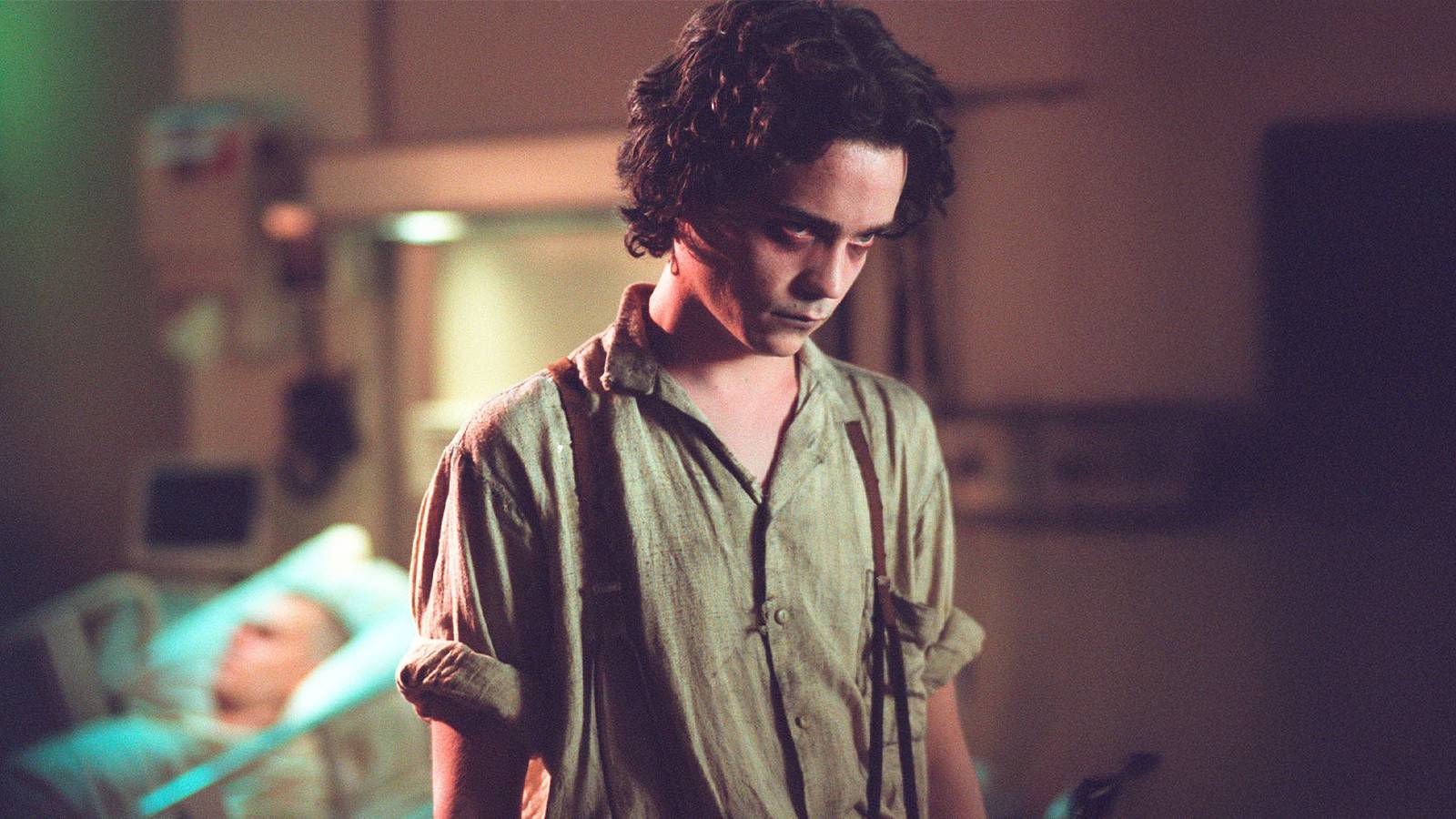
Hospitals are natural breeding grounds for horror—life and death, miracles and tragedy, all under one sterile roof. Yet surprisingly few filmmakers have tapped into that potential. Lars von Trier, never one to shy away from the bizarre, dove headfirst into it with his 1994 series The Kingdom. Over three seasons (1994, 1997, and a 2022 finale), this Danish cult classic delivered 13 episodes of pure, unsettling weirdness. It's a show that defies easy description, and it left such a mark on Stephen King that he created his own American remake, Kingdom Hospital, in 2004—a series that, unlike its source, failed to find an audience.
What makes The Kingdom so special? It's not your typical plot-driven narrative. Instead, the hospital itself becomes the central character—a living, breathing entity that hums with supernatural energy. The show opens with a sepia-toned prologue about bleach men who once worked the land, their spirits lingering as modernity rises above them. The Kingdom hospital is built on that haunted ground, a place where the mundane and the otherworldly collide. The corridors are familiar—white, sterile, filled with CT scanners—but they're drenched in a grainy, earthy palette, with grime and blood smeared on the walls. It's a liminal space where technology and spirituality wage a constant war.

The show's creepiness is amplified by its tonal whiplash. On one hand, it's a medical drama, complete with staff hierarchies, malpractice lawsuits, and a student doctor who steals roses from the morgue to gift to the woman he's stalking. On the other, it's a supernatural investigation into a crying girl's echo in the elevator and a woman who gives birth to something unspeakable. This jarring blend of genres is deliberate, mirroring the duality of a hospital where life and death coexist. By Season 3, the show goes full metafiction: a new character, Karen, watches The Kingdom on TV in a steel-blue sequence, and when she steps into the actual hospital, the screen shifts back to the '90s aspect ratio and color palette. It's a bold move that reinforces the hospital's otherworldly nature.
At the heart of the series are two unforgettable performances. Dr. Helmer, played by Ernst-Hugo Järegård, is an arrogant, Danish-hating surgeon whose rants are so hyperbolic they're both hilarious and deeply unsettling. Opposite him is Kirsten Rolffes as Drusse, a kind-hearted but stubborn woman who fakes neurological illnesses to get admitted to the hospital so she can communicate with the dead. Their dynamic—one all rage, the other all empathy—creates a tension that drives the first two seasons. Both actors passed away before the third season, but their influence lingers in the new characters introduced.
The show's absurdity extends to its Greek chorus: two dishwashers who offer cryptic commentary from their basement hideaway, dropping lines like "What happens when the house is crying?" or "Swedes are human too." These moments add a layer of dark humor that keeps the horror from becoming too oppressive. It's a delicate balance, and von Trier pulls it off with masterful precision.
Stephen King was so taken with The Kingdom that he called it "both funny and scary." His remake, Kingdom Hospital, attempted to transplant the story to a Maine hospital, but it lacked the original's raw, unsettling energy. While King's version has its fans, it's von Trier's creation that remains the definitive take on supernatural hospital horror. If you're a horror fan who hasn't experienced The Kingdom, it's essential viewing—a decades-spanning project that pushes the boundaries of what TV can do. And if you're curious about other horror masterpieces, check out our list of flawless 90s horror films or revisit Stephen King's overlooked 1408, which finally gets a sequel. For more on King's universe, see his grandson joining the Welcome to Derry writers' room.
In a world where horror often plays it safe, The Kingdom stands alone as a fearless experiment. It's a show that doesn't just scare you—it envelops you in its surreal, laughing-gas haze, leaving you disoriented and thrilled. Whether you're a longtime fan or a newcomer, there's nothing quite like it.