Some psychological thrillers never get the recognition they deserve. Whether buried by bigger releases, ignored at the box office, or simply fading with time, these films often share a literary DNA—novels with taut plots, unreliable narrators, and creeping dread that translate perfectly to the screen. Adapting a book into a movie is never easy, and psychological thrillers are especially tricky. Too often, adaptations rush the setup or fumble the ending. But a handful of forgotten gems manage to avoid these pitfalls, delivering suspense that builds naturally and concludes with satisfying inevitability.
From the claustrophobic tension of Dead Calm to the quiet obsession of The Pledge, these films capture the unease of their source material and sharpen it with powerhouse performances and precise direction. They prove that the best thrillers are sometimes the ones nobody talks about—making them perfect additions to any watchlist.

Dead Calm (1989)
Phillip Noyce's Dead Calm demonstrates that you don't need a sprawling setting to create suffocating suspense. Based on Charles Williams' novel, the film follows grieving couple John (Sam Neill) and Rae Ingram (Nicole Kidman) who, during a sailing trip, rescue a mysterious stranger (Billy Zane) from his sinking boat. As they learn more about him, they realize they may have let a killer aboard.
Noyce uses wide shots of the empty ocean to shrink the world around the characters, making the sea feel like a cage. Kidman delivers a fierce performance, refusing to be a damsel in distress. Neill brings quiet desperation to a man torn between rescue and revenge, while Zane hides menace behind a boyish smile. At under 95 minutes, every twist grows naturally from the situation, and the pacing tightens like a rope. Dead Calm is a lean, nerve-shredding thriller that's far too easy to overlook.
The Pledge (2001)
Sean Penn's The Pledge is a neo-noir psychological thriller based on Friedrich Dürrenmatt's 1958 novella. Jack Nicholson stars as Nevada detective Jerry Black, who makes a promise to a grieving mother that he will find her daughter's killer. Rather than racing toward a twist, the film lets obsession build quietly, defying expectations and never losing its grip.
With a remarkable supporting cast including Robin Wright and Benicio del Toro, not a single scene feels wasted. Nicholson delivers one of his most restrained and haunting performances, trading his usual flamboyance for something fragile and unraveling. Because The Pledge subverts detective story conventions, audiences in 2001 overlooked it, but time has been kind, revealing it as a quiet, uncompromising masterpiece.
Manhunter (1986)
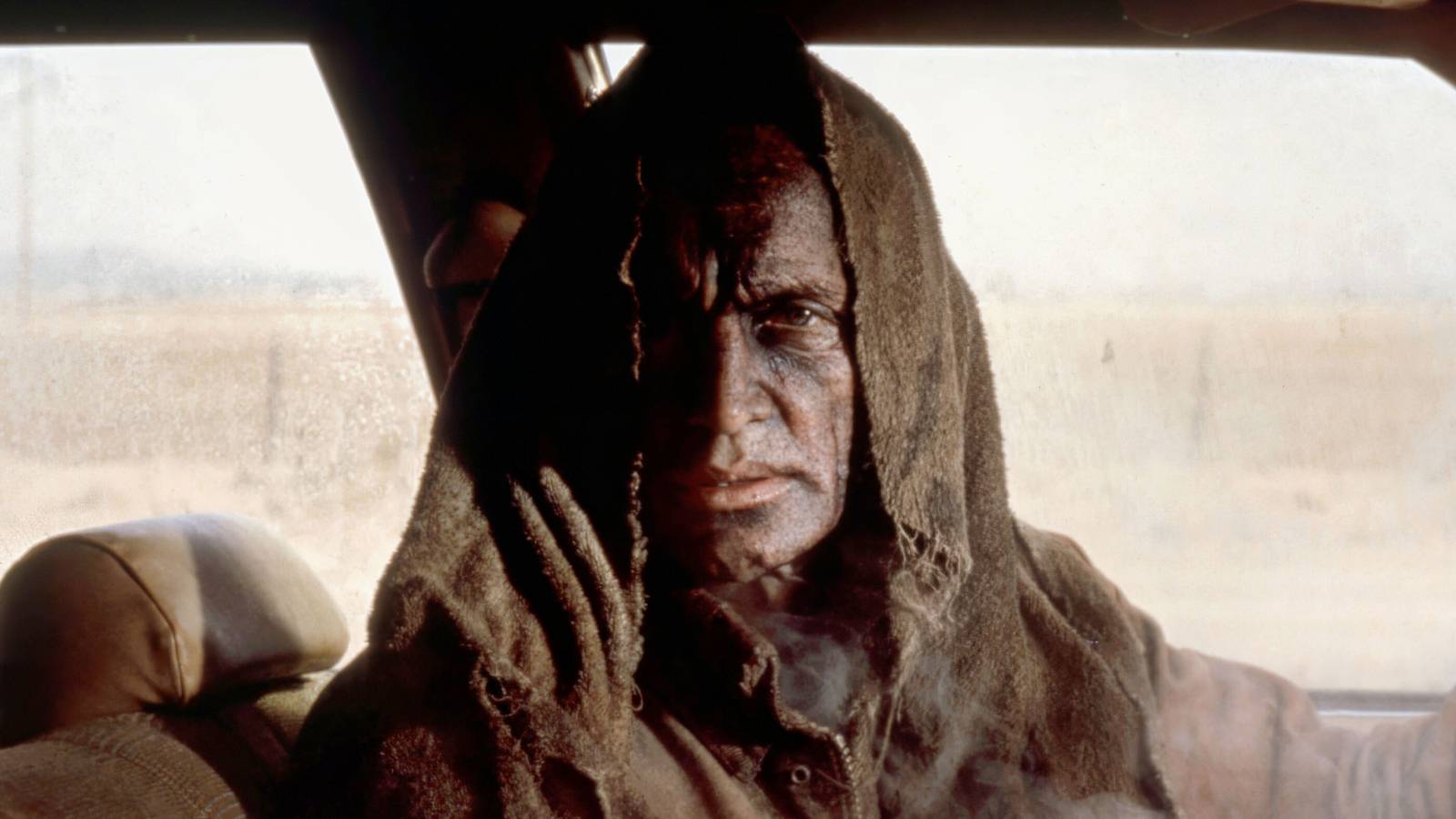
Michael Mann's Manhunter deserves a place among the great forgotten psychological thrillers for its precision and atmosphere. Based on Thomas Harris' novel Red Dragon, it follows FBI profiler Will Graham (William Petersen), who is pulled out of retirement to catch a serial killer known as the Tooth Fairy. He consults with Dr. Hannibal Lecktor (Brian Cox), a forensic psychiatrist and murderer.
Petersen's ability to think like the killers he hunts creates a chilling intimacy that sets the film apart. Manhunter was overshadowed by The Silence of the Lambs, released five years later, which cast a long shadow over its predecessor. But today, Manhunter stands as a sleek, haunting, nearly flawless thriller that deserves rediscovery. For more on Michael Mann's upcoming projects, check out the latest on Heat 2.
Straw Dogs (1971)
Sam Peckinpah's Straw Dogs is a disturbing psychological thriller that dares audiences to look away. Based on Gordon Williams' novel The Siege of Trencher's Farm, it stars Dustin Hoffman as David Sumner, a mild-mannered American who moves with his wife Amy (Susan George) to her Cornish hometown. Instead of peace, they find a community that sees David as a pushover.
The tension builds with unnerving patience, allowing small humiliations to pile up before reaching a breaking point. Peckinpah understands that dread lives in the accumulation of slights, and by the time the siege begins, the pressure is almost unbearable. The film explores how civility can crack and how violence may lurk inside those who insist they're above it. Its brutal climax remains shocking, but the journey there is just as gripping.
Just Cause (1995)
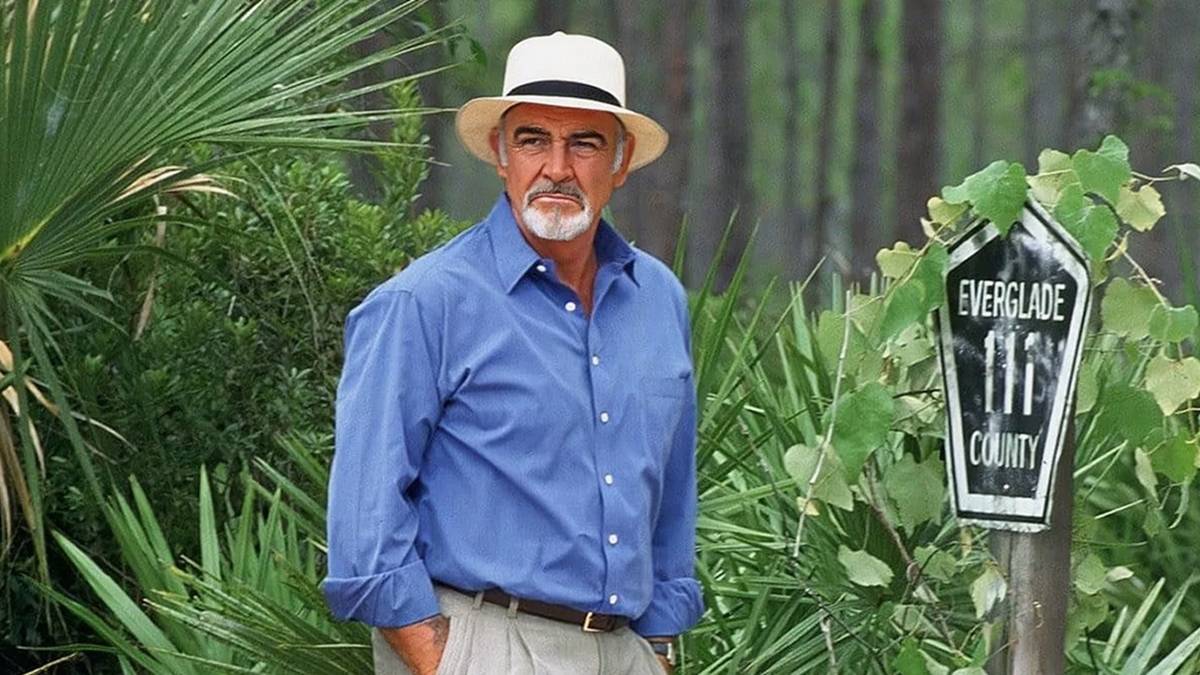
Arne Glimcher's Just Cause, based on John Katzenbach's novel, is a legal thriller with a psychological edge. Sean Connery stars as Paul Armstrong, a Harvard law professor who takes on the case of a death row inmate (Blair Underwood) who may be innocent. As Armstrong digs deeper, he uncovers a web of corruption and deception that puts his own family at risk.
The film's twists are genuinely surprising, and Connery delivers a commanding performance. Laurence Fishburne adds menace as a local sheriff with his own agenda. Just Cause was dismissed by critics upon release, but it's a tightly plotted thriller that keeps you guessing until the final frame. For more on gripping psychological stories, check out these page-turners.
Kiss the Girls (1997)
Gary Fleder's Kiss the Girls, based on James Patterson's novel, stars Morgan Freeman as forensic psychologist Alex Cross. When his niece goes missing, Cross joins the search and discovers a serial kidnapper who collects victims. The film's cat-and-mouse game is elevated by Freeman's calm intensity and a chilling performance from Cary Elwes as the villain.
The movie balances procedural detail with psychological depth, and its climax is both satisfying and unsettling. Kiss the Girls was a modest hit but has been overshadowed by later adaptations of Patterson's work. It remains a solid thriller that respects its source material and delivers genuine suspense.
The Little Girl Who Lives Down the Lane (1976)
Nicolas Gessner's The Little Girl Who Lives Down the Lane is a unique thriller based on Laird Koenig's novel. Jodie Foster stars as Rynn, a 13-year-old girl living alone in a small town, hiding a dark secret. When a nosy neighbor (Martin Sheen) becomes suspicious, the tension escalates into a deadly game.
Foster delivers a remarkable performance, conveying intelligence and vulnerability in equal measure. The film's quiet suburban setting contrasts with its sinister undertones, creating an atmosphere of unease that never lets up. It's a forgotten gem that deserves a place alongside other classic psychological thrillers.
These films, along with others like Dead Calm and The Pledge, prove that the best psychological thrillers are often the ones that slip through the cracks. Whether you're a fan of the genre or just looking for a gripping watch, these book-based adaptations offer a masterclass in suspense. For more recommendations, explore the best psychological thrillers of the 2020s or 90s books that still hold up.