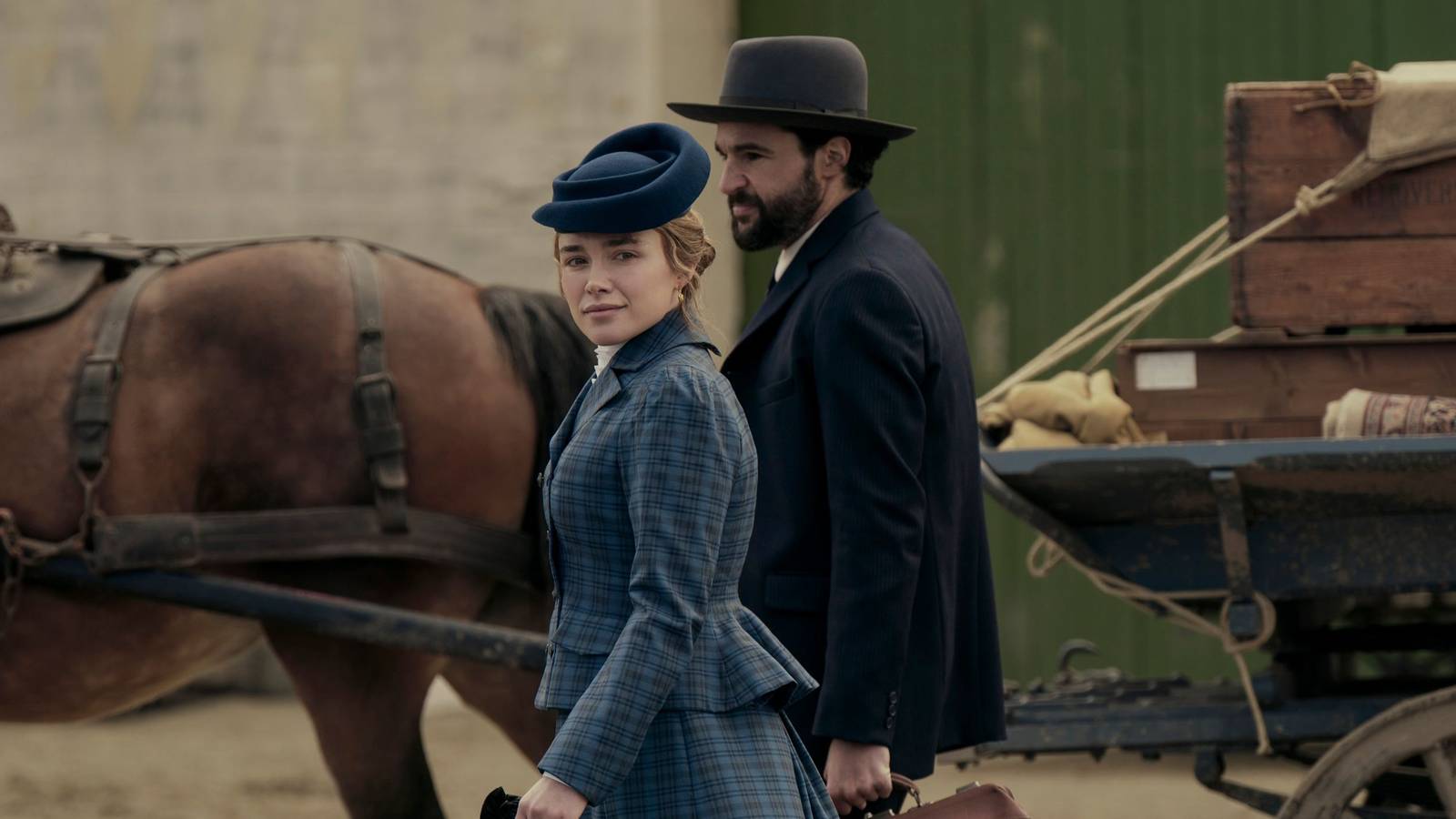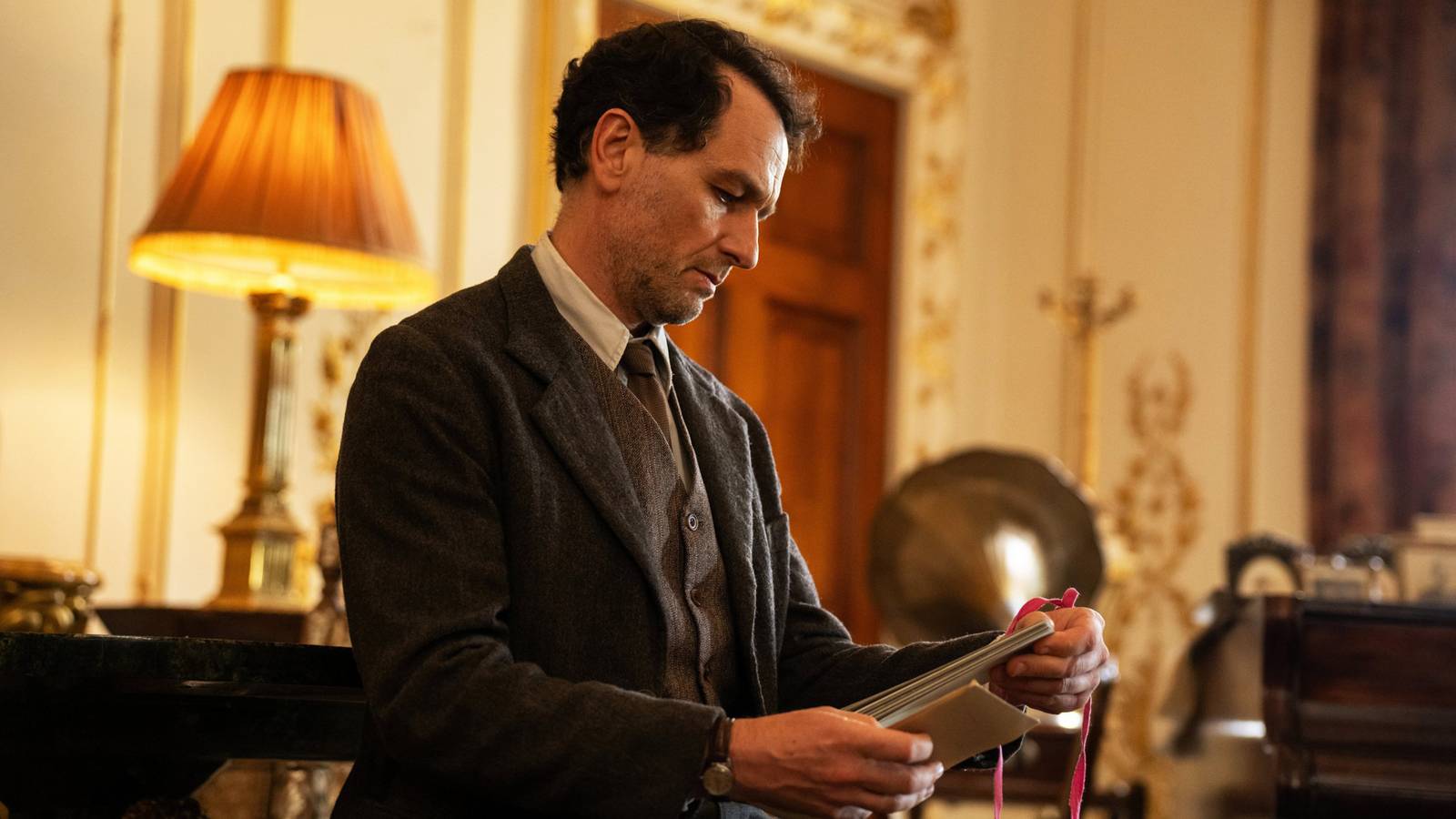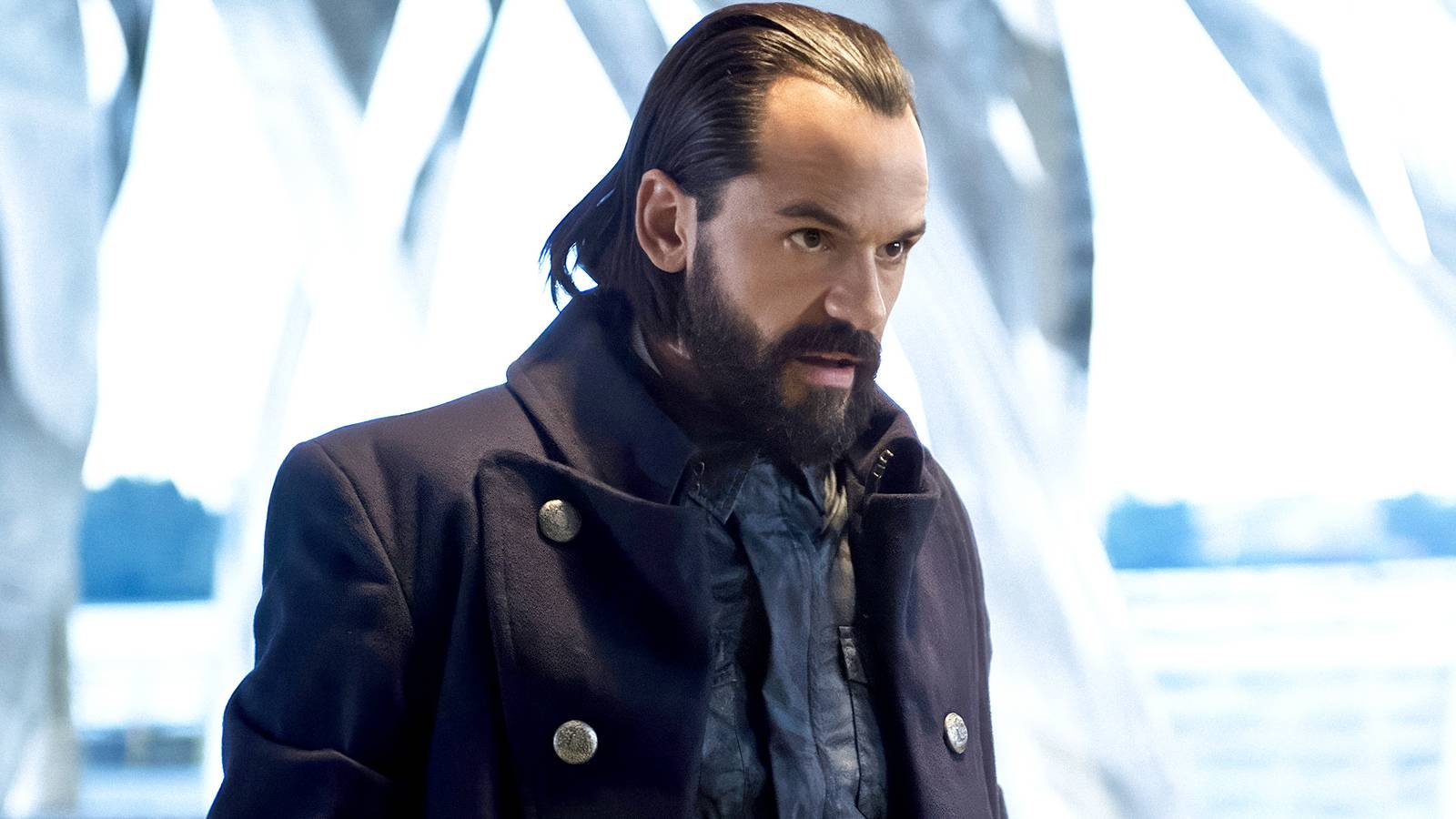
In the crowded landscape of superhero television, one show dared to be gloriously different. DC's Legends of Tomorrow didn't just join The CW's lineup of DC Comics adaptations—it rewrote the rulebook, evolving from a straightforward team-up series into a wildly inventive space opera packed with humor, heart, and time-traveling chaos.
From Spinoff to Spacefaring Sensation
Launching in 2016 as a spinoff from Arrow and The Flash, Legends of Tomorrow began with a simple premise: a ragtag team of heroes, assembled by the time-traveling Rip Hunter, to battle the immortal villain Vandal Savage. But the show quickly outgrew its origins. Instead of sticking to gritty street-level drama or sleek sci-fi, the Legends embraced the absurd, using their ship, the Waverider, to defend the timeline with a chaotic blend of superpowers, historical mischief, and a flagrant disregard for the rules. This willingness to venture into the weirdest corners of the universe is what ultimately set it apart, transforming it into the network's crown jewel of creative freedom.

The Secret Was in the Shake-Ups
A shaky first season didn't doom the series; instead, it fueled a philosophy of constant reinvention. The creators listened to feedback, making bold changes to the cast and mission each year. Leadership shifted from Rip Hunter to Sara Lance, the White Canary, while fan-favorite characters like John Constantine and Wally West joined the crew. As co-creator Phil Klemmer noted, each season aimed to feel like "its own show," with the team constantly searching for a new purpose. This fluidity became the series' greatest strength, allowing it to pivot from epic stakes to intimate character moments and outright comedy on a dime.
The episode that perfectly captures this tonal alchemy is Season 3's "Beebo the God of War." The plot—stopping Vikings from worshipping a giant, cuddly toy—is the epitome of the show's delightful ridiculousness. Yet, nestled within the chaos was a profoundly emotional moment for hero Jax Jefferson, who confronted a younger version of his late mentor, Martin Stein. This blend of heartfelt drama and surreal humor became the show's signature, proving it could make you laugh at a psychic gorilla one minute and tear up over a lost friendship the next.
The Legacy and the Lost Legend
Legends of Tomorrow saved its wildest twist for its final, cliffhanger season. After their ship was destroyed, the team found themselves stranded in 1925 Texas, crossing paths with a mysterious charmer named "Mike," played by Donald Faison. The series' abrupt cancellation left this storyline unresolved, which stung even more when Klemmer revealed "Mike" was actually Booster Gold, the time-traveling, fame-hungry DC hero. With Faison's comedic chops and the character's history of glorious failure, Booster would have been a perfect Legend.
While Booster Gold won't join this crew, he's slated for his own TV project. One can hope its creators take a page from Legends of Tomorrow on balancing heroics with humor. For a masterclass in episodic sci-fi adventure, they could also look to classics like How Stargate SG-1's Episodic Format Became the 20th Century's Perfect Sci-Fi Blueprint. Meanwhile, fans of ambitious genre storytelling can find similar inventive spirit in projects like Jonathan Nolan's 'Interstellar' Sequel? 'Fallout' Producer Teases New Space Opera Film.
Years after its final episode, Legends of Tomorrow stands as a testament to what happens when a show fully commits to its own unique, chaotic identity. It proved that a series could start as a conventional superhero story and, through sheer audacity and heart, launch itself into the stars as one of television's most beloved and unpredictable space operas.