There's no shortage of complaints about how Game of Thrones ended, but the most egregious sin was the way Daenerys Targaryen's arc was handled. A beloved liberator turned mass murderer with almost no setup? It still stings. Yet somehow, House of the Dragon has managed to restore faith in this universe, and Season 3 Episode 3 is the strongest evidence yet that the franchise has learned from its mistakes.
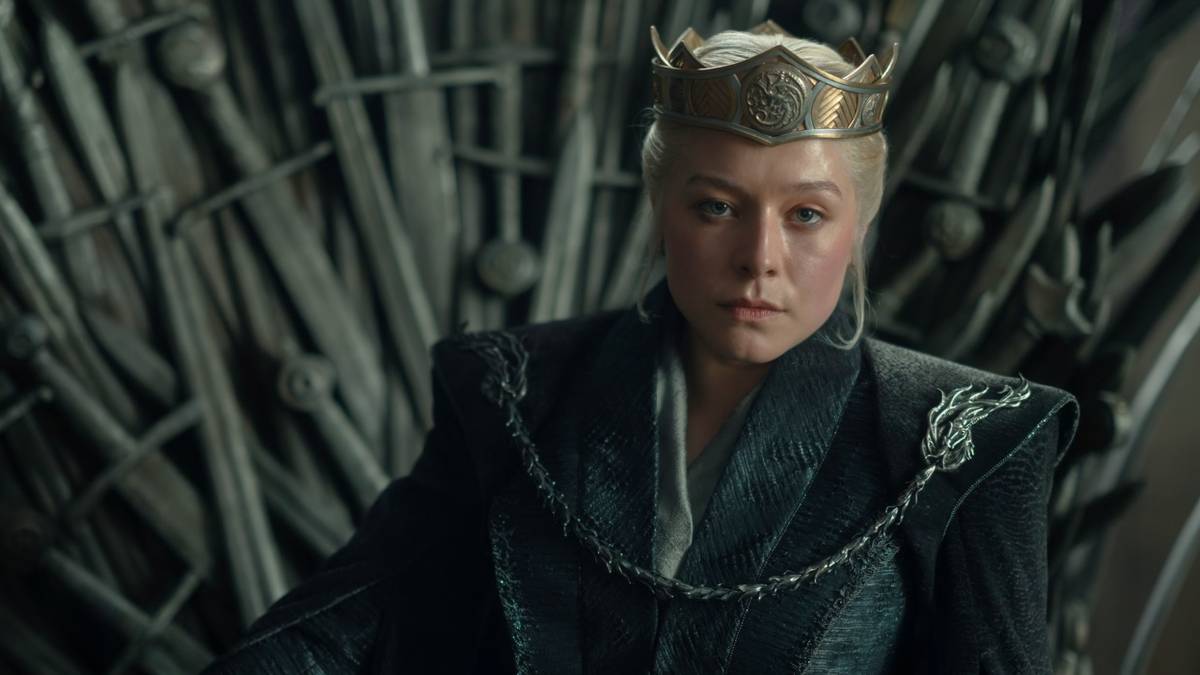
This episode is a bold experiment: it locks in on Rhaenyra Targaryen (Emma D'Arcy) for nearly the entire runtime, giving us an intimate, pressure-cooker portrait of a queen on her first full day on the throne. It's the kind of focused character work that Game of Thrones reserved for Jon Snow, and it's executed with devastating precision.
A Queen's First Day: No Rest for the Weary
The episode opens with a brief detour: Daemon (Matt Smith) confronts Lord Ormund Hightower (James Norton) and forces him to bend the knee. Ormund reluctantly submits, even handing over a boy he claims is Daeron, Alicent's youngest son. But after that, the camera never leaves Rhaenyra's side.
She's barely settled into the Red Keep before the problems pile up. The treasury is empty—Alicent and Helaena have no idea where the gold went. The Triarchy's remnants are raiding villages. And both Aemond and Aegon have vanished, leaving two ticking time bombs somewhere in the realm. Rhaenyra orders Aegon declared dead, a move that feels more like wishful thinking than strategy.
Ramin Djawadi's score is a character in itself here, with strings that screech and swell every time Rhaenyra's composure cracks. She's determined to be a peaceful ruler like her father Viserys, but the realm isn't cooperating.
Visions, Betrayals, and a Faith That Won't Bend
Rhaenyra's mental state begins to fray. She sees visions of her dead son Jacaerys (Harry Collett), a haunting reminder of the cost of war. When she tries to secure a formal anointing from the High Septon, he all but calls her a liar, questioning her story about Aegon's death. It's a tense, quiet scene that speaks volumes about the fragility of her claim.
Corlys Velaryon (Steve Toussaint) adds to the pressure by demanding his bastard sons be officially recognized as Velaryons. Rhaenyra knights Addam of Hull but refuses the title, citing the rumors that plagued her own children. Corlys doesn't take it well, later publicly calling her three eldest sons bastards—a brutal reminder that old wounds never fully heal.
A Small Victory for the People
One area where Rhaenyra shows real leadership is with the common folk. She learns that King's Landing is starving, thanks to her own blockade and hoarding by the wealthy. Her solution is clever: she lures the city's richest families to the castle while the Goldcloaks seize their food stores. It's a populist move that actually works, even if it earns her powerful enemies.
But the episode's final blow comes when Rhaenyra tries to make peace with Alicent (Olivia Cooke). She brings her to see Daeron, only to discover the boy is a lowborn imposter. Ormund's ruse is a slap in the face, and Rhaenyra vows revenge. The Greens' tapestries are torn down, but the damage is done.
This episode is a masterclass in showing, not telling. It doesn't rush Rhaenyra's descent—it lets us feel every crack in her armor. For fans who mourned the rushed character work of Game of Thrones' final season, this is the redemption arc we've been waiting for. House of the Dragon isn't just fixing the franchise's mistakes; it's proving that the world of Westeros still has stories worth telling.
For more on the series' best moments, check out our ranking of Game of Thrones' Most Gut-Wrenching Episodes and our analysis of House of the Dragon's Stark Prophecy Hints.